
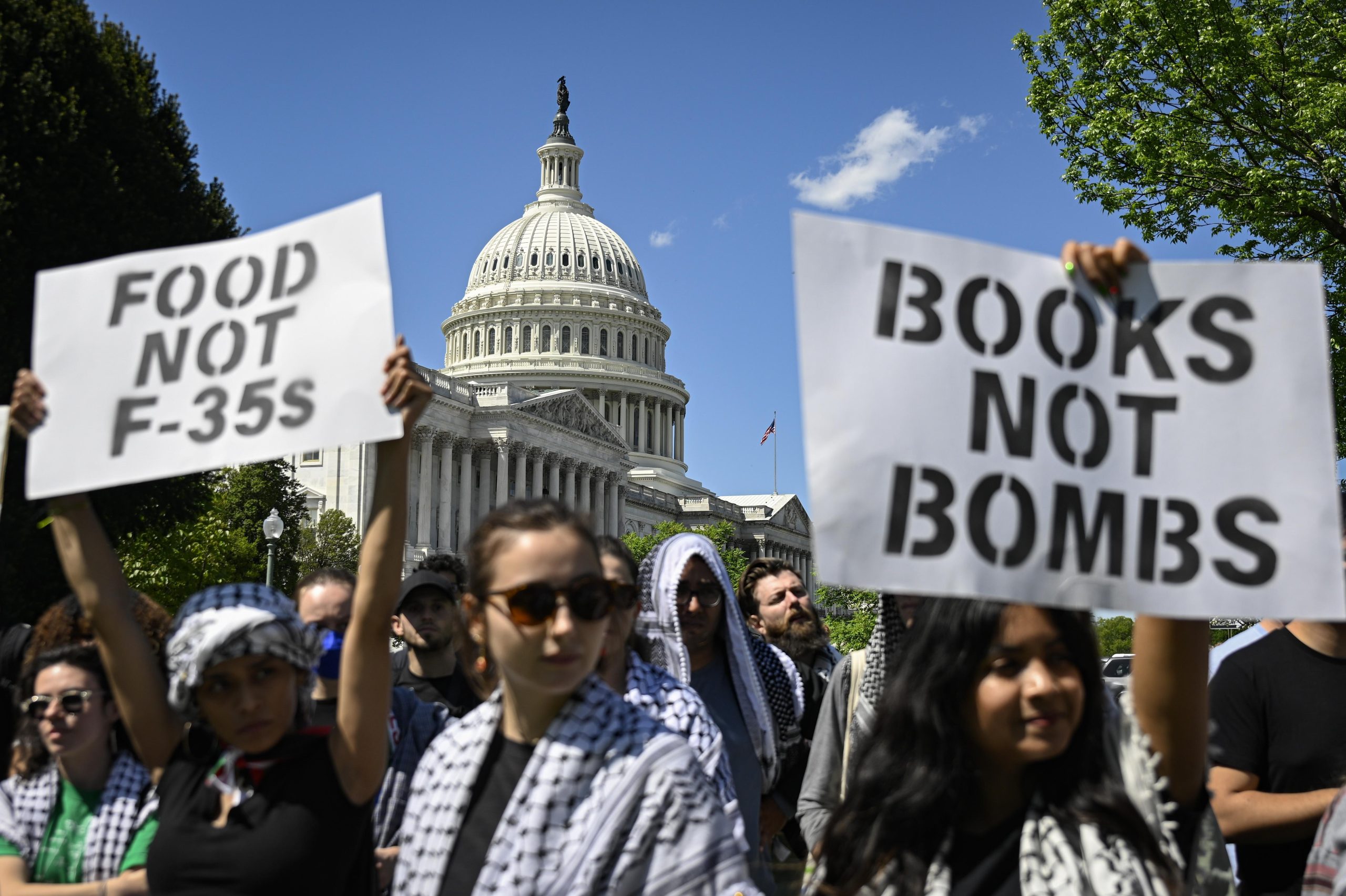
The long-standing consensus on U.S. financial and arms support for Israel is facing unprecedented challenges within the Democratic Party, as once fringe ideas about re-evaluating this crucial alliance are rapidly moving into the mainstream. This significant shift, evidenced by recent congressional votes and public statements from prominent figures, signals a potential turning point in American foreign policy concerning the Middle East.
A Growing Divide in Congress
In recent months, a noticeable segment of the Democratic Party has begun to question the unconditional flow of aid and weaponry to Israel. This re-evaluation gained considerable traction when nearly half of the House Democrats cast votes against a $26 billion aid package for Israel in April 2024. Furthermore, a substantial portion of the caucus, approximately 40 percent, has expressed support for halting arms sales to the Israeli government. This proposed moratorium is contingent on Israel demonstrating to Congress that it will not utilize American-supplied munitions in ways that violate international law or contribute to what critics deem war crimes. This growing dissent reflects a deepening ideological fissure within the party, moving beyond traditional foreign policy debates.
Mainstream Echoes and Future Implications
The impact of this evolving sentiment extends beyond the current legislative session. Many potential contenders for the 2028 presidential election have also begun to voice support for these concepts, indicating a generational shift in how Democratic leaders approach the U.S.-Israel relationship. Even figures historically associated with the party’s centrist wing, like former Chicago Mayor Rahm Emanuel, have recently suggested that the U.S. should consider ending aid to Israel and conditioning future arms sales on the nation’s adherence to U.S. legal frameworks. This broadening acceptance of critical stances on aid to Israel suggests that the debate is no longer confined to progressive circles, but is increasingly becoming a central theme in broader Democratic policy discussions.
The Road Ahead: A More Complex Landscape
The mainstreaming of these arguments presents a complex challenge for both policymakers and the Biden administration. While the immediate legislative outcomes may not signify a complete overhaul of U.S. policy, the underlying shift in discourse is undeniable. The increased scrutiny on arms sales and financial aid raises questions about the future leverage the U.S. might wield in diplomatic efforts and the long-term trajectory of the U.S.-Israel alliance. As these ideas gain further traction, the next steps in navigating this evolving foreign policy landscape will undoubtedly be more challenging and politically charged than ever before. The debate over American aid to Israel has fundamentally changed, and the implications for regional stability and U.S. foreign policy are significant.
Based on materials: Vox



