
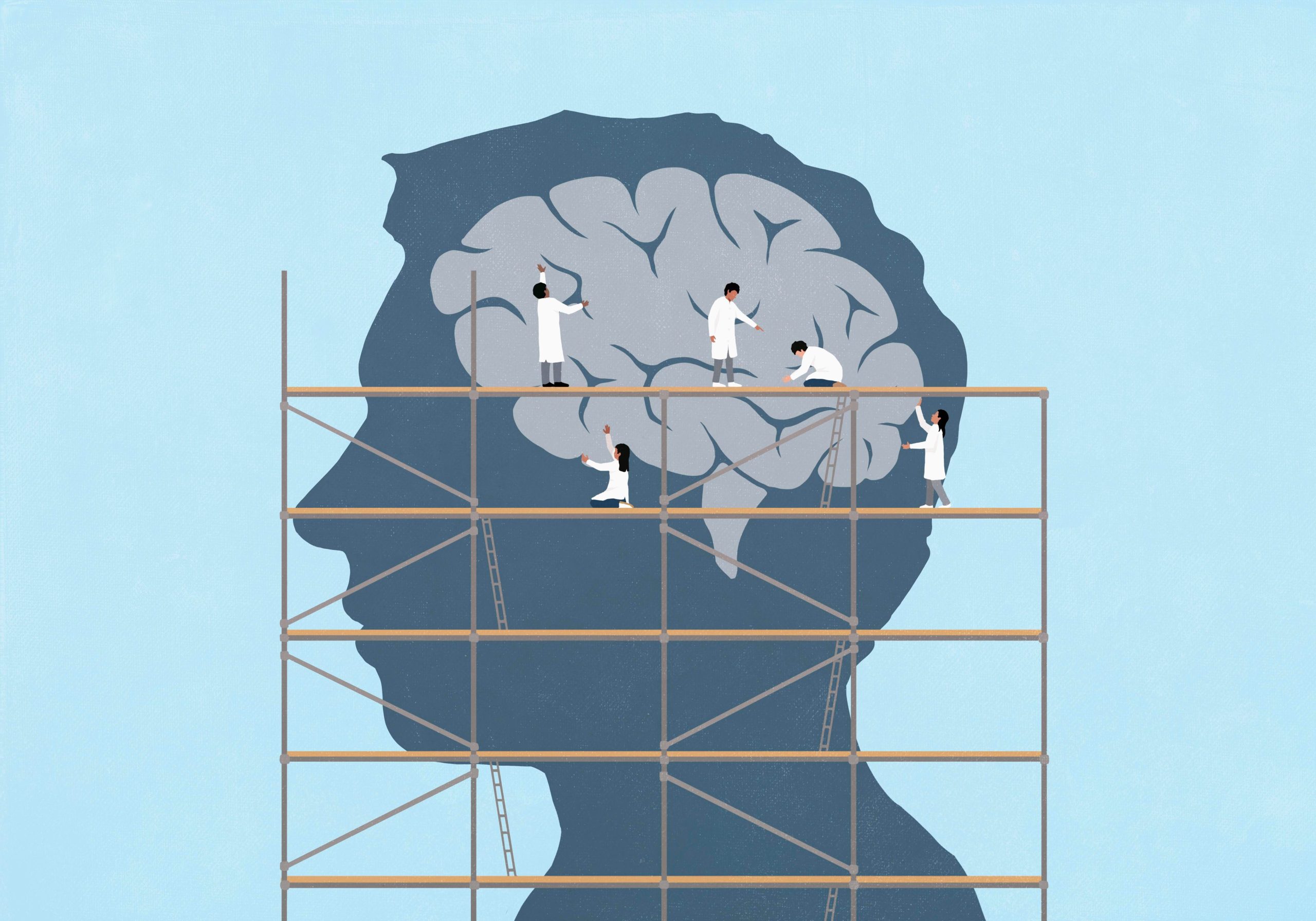
In our hyper-connected world, the constant barrage of information can feel overwhelming, leaving many of us staring blankly at screens, minds adrift. This pervasive feeling of mental fog, often dubbed “TikTok brain” or “brain rot,” is a hallmark of the 21st century, a consequence of our brains being rewired by the endless scroll of short-form videos and social media feeds. These digital environments train us to crave rapid bursts of dopamine, severely eroding our capacity to concentrate on tasks that require sustained attention, like reading a book or watching a full-length movie. The result? A generation seemingly glued to their smartphones, faces illuminated by the glow, their attention spans fragmented into mere seconds.
The Digital Dopamine Loop
The core of this attention deficit lies in the design of many digital platforms. They are meticulously engineered to deliver instant gratification, offering a continuous stream of novel content that triggers pleasure centers in the brain. This creates a powerful feedback loop where the brain becomes accustomed to these quick rewards, making it increasingly difficult to engage with activities that offer delayed or more subtle forms of satisfaction. The allure of the next notification, the next trending video, or the next bite-sized piece of information becomes irresistible, pulling us away from deeper, more demanding cognitive tasks. This constant switching between stimuli prevents the brain from entering a state of focused concentration, hindering our ability to process complex information, retain knowledge, and engage in creative thinking.
Strategies for Attention Restoration
Fortunately, the damage is not irreversible. Rebuilding a broken attention span requires a conscious and deliberate effort to recalibrate our digital habits and reintroduce activities that foster sustained focus. This can begin with small, manageable steps. Consider implementing digital detox periods, consciously setting aside time each day or week to disconnect from devices. During these times, engage in activities that demand your full attention, such as reading physical books, engaging in hobbies that require concentration, or spending time in nature. Mindfulness and meditation practices can also be incredibly beneficial, training your brain to remain present and aware, rather than constantly drifting.
Furthermore, curating your digital environment is crucial. Unsubscribe from unnecessary newsletters, unfollow social media accounts that contribute to endless scrolling, and disable non-essential notifications. By reducing the constant influx of stimuli, you create more mental space for focused work and genuine engagement. Gradually increasing the duration of tasks that require focus, starting with short periods and slowly extending them, can also help retrain your brain. The goal is to move away from the reactive, fragmented consumption of information towards a more intentional and deep engagement with the world around you, both online and offline.
A Renewed Capacity for Depth
In a world that often glorifies busyness and instant access, reclaiming our attention is not just about improving productivity; it’s about restoring our capacity for deep thinking, meaningful connection, and genuine enjoyment. By understanding the mechanisms behind our dwindling attention spans and actively implementing strategies to combat them, we can move beyond the superficiality of constant digital distraction and cultivate a more focused, fulfilling, and engaged life. The path to a stronger attention span is a journey of intentionality, a conscious choice to prioritize depth over breadth in our information consumption and daily lives.
SOURCE INFORMATION:
TITLE: How to rebuild your broken attention span
DESCRIPTION: Ever find yourself hunched over your laptop, eyes glazed, slack jawed, and stunned by the quantity of information modern life is throwing at you? You might take a break to stare at your phone. Or you could try switching from one browser tab to the next while checking your email and inching closer to the […]
CONTENT: Ever find yourself hunched over your laptop, eyes glazed, slack jawed, and stunned by the quantity of information modern life is throwing at you? You might take a break to stare at your phone. Or you could try switching from one browser tab to the next while checking your email and inching closer to the day’s deadline. Some people call this TikTok brain. Others call it brain rot. Either way, it feels like a distinctly 21st-century affliction, caused by scrolling through too many short-form videos and social media feeds that trains your brain to seek out little hits of dopamine and ruins your ability to focus on anything for more than a few seconds. People with the condition may not be able to read books or even watch feature-length films. They can’t do anything except watch little videos, leaving them prone, catatonic, faces blank and bright in the glow of their smartphone screens. I don’t even use TikTok, but I feel this way all the time. Give me one hour to complete a t
SOURCE: Vox
Based on materials: Vox



