
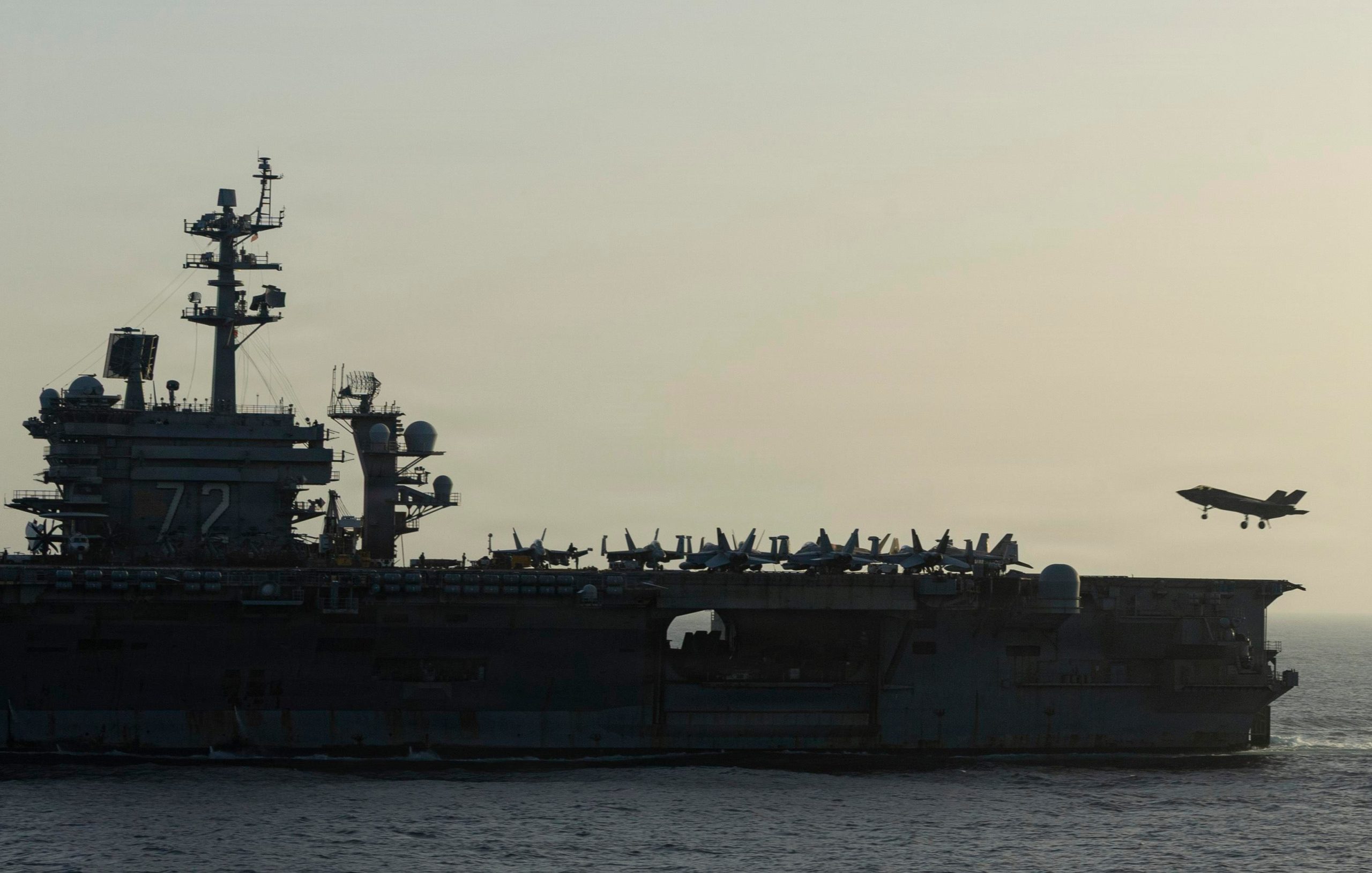
The prolonged deployment of the USS Abraham Lincoln in the volatile Middle East, amidst escalating tensions with Iran, is taking a significant mental toll on its crew. Reports indicate that a growing number of sailors have experienced severe mental distress, with some making desperate attempts to go overboard – a stark indicator of the psychological pressures they face.
The cracks in the administration’s Iran strategy are becoming increasingly apparent, not just on the geopolitical stage, but within the confines of the naval vessels tasked with enforcing it. Family members of the sailors have voiced grave concerns to Democratic lawmakers, highlighting a precipitous decline in mental well-being among the crew. These worries are compounded by reports of deteriorating living conditions aboard the USS Abraham Lincoln, including critical sanitation issues and persistent shortages of food and essential supplies.
For over 250 days, the USS Abraham Lincoln has been stationed in the Arabian Sea, a period that has included an unbroken stretch of more than 200 days at sea. This relentless operational tempo, coupled with the inherent stresses of a high-threat environment, appears to be pushing sailors to their breaking point. The psychological impact of extended deployments, away from family and familiar surroundings, is a well-documented phenomenon, but the severity of these recent reports suggests a crisis demanding immediate attention.
The Psychological Burden of Extended Deployment
The mental health challenges faced by military personnel during prolonged deployments are multifaceted. Beyond the constant threat of conflict, sailors grapple with isolation, fatigue, and the disruption of their personal lives. The inability to connect with loved ones and the lack of routine can lead to anxiety, depression, and other psychological issues. When these fundamental needs are further undermined by poor living conditions, the situation becomes untenable. The reported sanitation problems and food shortages not only impact physical health but also contribute to a sense of neglect and despair, eroding morale and exacerbating existing mental health vulnerabilities.
A Wider Implication for Military Readiness
The well-being of military personnel is intrinsically linked to operational readiness and national security. When sailors are struggling with their mental health, their ability to perform their duties effectively is compromised. This raises serious questions about the sustainability of current deployment strategies and the adequacy of support systems in place for military families. The concerns raised by families underscore a critical gap in communication and oversight, suggesting that the true human cost of geopolitical brinkmanship is being underestimated. Addressing these issues is not merely a matter of humanitarian concern; it is a strategic imperative to ensure the long-term health and effectiveness of the armed forces.
Conclusion
The situation aboard the USS Abraham Lincoln serves as a sobering reminder that the human element of military operations cannot be overlooked. While geopolitical strategies are debated and executed, the psychological resilience of the individuals carrying them out is paramount. The reported mental health crisis among these sailors demands a thorough investigation into the conditions of their deployment and a swift implementation of measures to provide adequate support. Failure to do so risks not only the well-being of our servicemen and women but also the overall effectiveness and morale of the U.S. Navy. This is a critical moment to prioritize the mental health of those who serve, ensuring that the burdens of duty do not lead to irreparable harm.
Based on materials: Vox



