
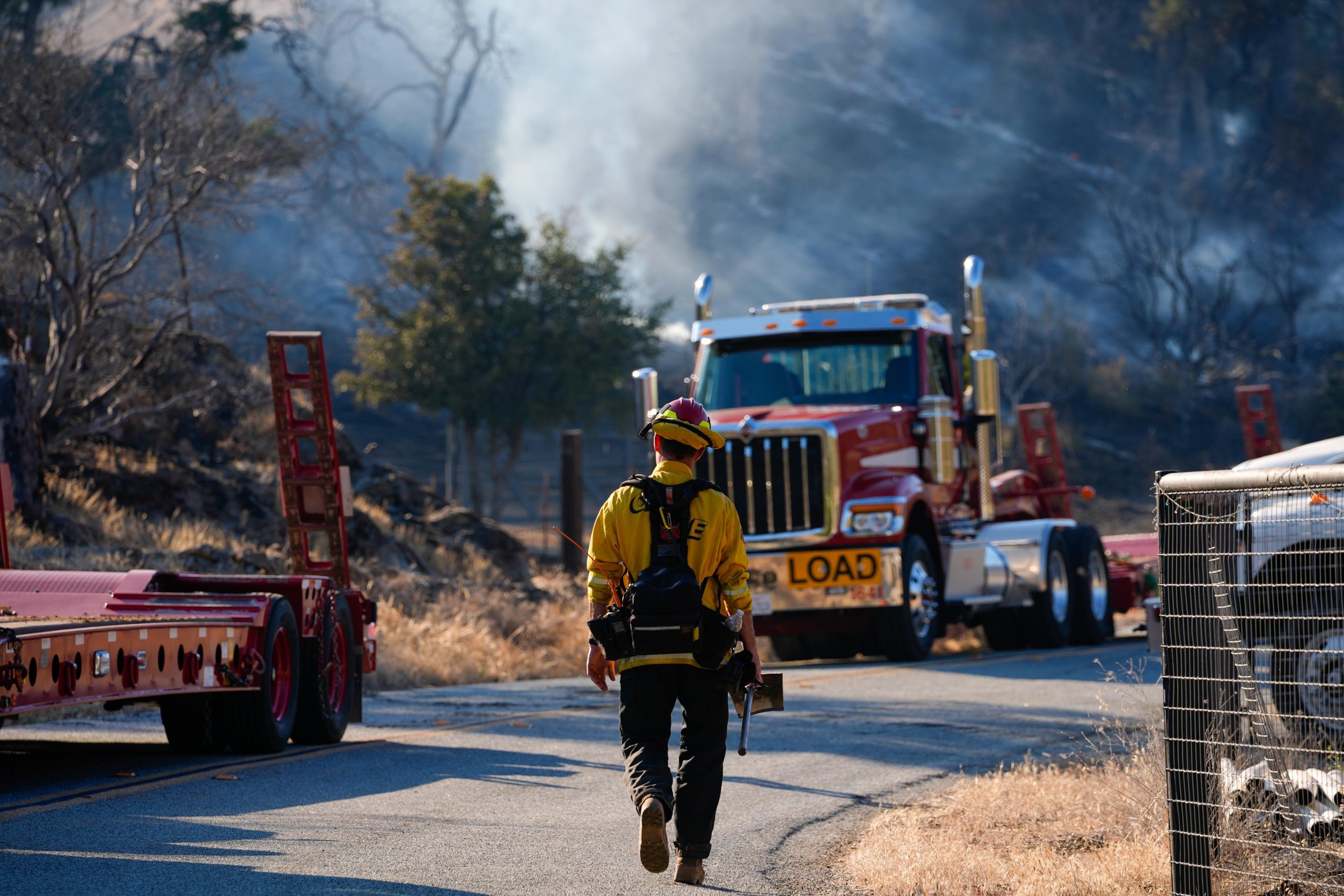
The specter of devastating wildfires has taken an unexpected and controversial turn, with individuals reportedly placing bets on the severity of the upcoming wildfire seasons. This peculiar trend, emerging on platforms like Polymarket, raises profound ethical questions and highlights the growing anxieties surrounding climate change’s tangible impacts. As communities grapple with escalating fire seasons, the idea of profiting from such destruction is sparking outrage and concern.
The 2026 wildfire season, particularly on the West Coast, is already painting a grim picture. Oregon has surpassed an alarming milestone, with over 2 million acres consumed by flames—a record shattered mere years after a previous benchmark was set in 2024. The infernos are no longer confined to remote wilderness. In Washington, suburbs surrounding Spokane have fallen victim to fires, a stark illustration of the encroaching danger into urban and suburban landscapes. The fallout extends even further, with smoke plumes from the Pacific Northwest blanketing regions as distant as New England, impacting air quality and public health across vast distances.
Climate Change Fuels the Fire, Greed Fuels Bets
While the accelerating frequency and intensity of wildfires are undeniably linked to climate change, with increasingly arid summers providing a perfect storm for combustion, the emergence of betting on these events introduces a disturbing new dimension. This phenomenon suggests a deeply unsettling disconnect between the lived reality of climate-induced disasters and the speculative financial markets. It underscores a societal struggle to process and respond to environmental crises, with some individuals seemingly seeking to capitalize on widespread destruction.
Ethical Minefield and Societal Implications
The very notion of wagering on natural disasters like wildfires creates an ethical minefield. Critics argue that such activities trivialize the immense suffering and loss experienced by those directly affected. Firefighters battling blazes, families displaced from their homes, and communities facing long-term recovery are all subjected to the whims of gamblers seeking financial gain. This trend also raises questions about the platforms facilitating such bets and their responsibility in preventing the commodification of human and environmental tragedy. Experts are questioning whether these betting markets could inadvertently incentivize inaction or even create perverse incentives related to fire management and prevention.
A Call for Responsible Engagement
As the planet continues to confront the escalating reality of climate change, the wildfire betting trend serves as a stark reminder of the need for responsible engagement with environmental issues. Instead of seeking to profit from disaster, the focus should remain firmly on mitigation, adaptation, and robust support for affected communities. The controversy surrounding these bets highlights a broader societal challenge: how to foster empathy and collective action in the face of existential threats, rather than succumbing to a speculative detachment that risks normalizing destruction. The future of our planet demands a more conscientious and collaborative approach, one that prioritizes resilience and recovery over the thrill of a gamble.
Based on materials: Vox



