Cuba, a nation long lauded for its robust medical training and commitment to universal healthcare, is grappling with a profound public health crisis. Since early 2026, widespread and prolonged blackouts, exacerbated by U.S. oil blockades, have crippled the country’s already strained energy grid, plunging hospitals into darkness and jeopardizing the well-being of its citizens.
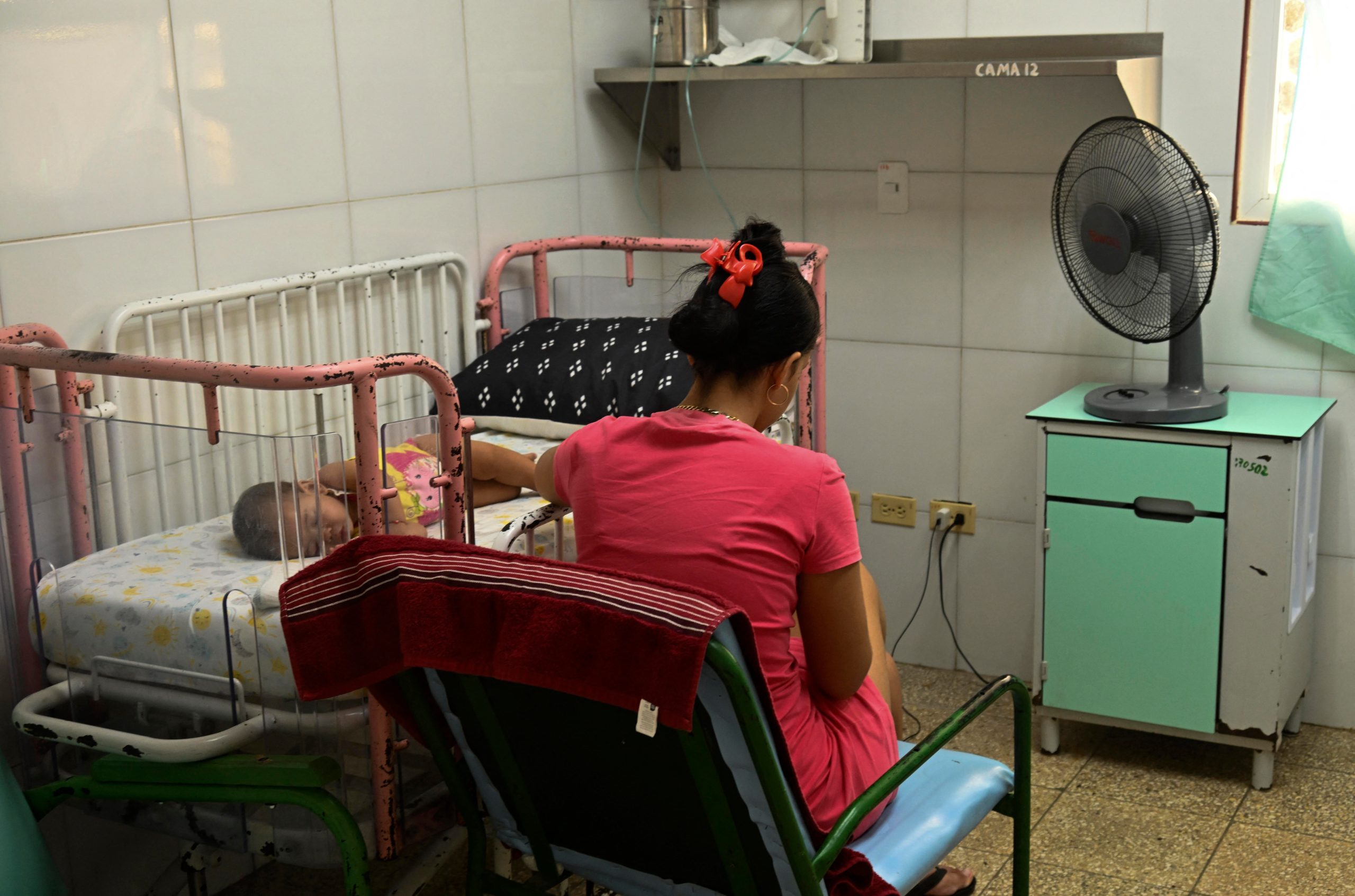
This escalating energy shortage has had devastating consequences for Cuba’s nationalized healthcare system, once a cornerstone of its social fabric. Hospitals are routinely operating without essential power, impacting everything from patient monitoring to surgical procedures. Ambulances, vital for emergency response, are frequently grounded due to a lack of fuel. The ripple effects extend beyond medical facilities, with overflowing trash on city streets posing an increased risk of disease transmission in the sweltering climate.
Cold Chain Breakdown and Empty Shelves
The implications of the power outages are particularly dire for the preservation of life-saving medical supplies. Vaccines, which rely on a consistent cold chain to remain effective, are at risk of spoilage. This, coupled with the nation’s fragile economy and the persistent pressure of U.S. sanctions, has led to critically low stock levels in pharmacies. Essential medications are becoming increasingly scarce, leaving many Cubans without access to the treatments they need. This situation underscores a critical aspect of universal healthcare: accessibility and affordability are only part of the equation; a functioning infrastructure and reliable supply chains are equally paramount.
Beyond the Promise of Free Care
The Cuban model of universal healthcare, which provides free medical services to all citizens, has historically been a source of national pride and a subject of international admiration. However, the current crisis highlights the vulnerabilities inherent in a system heavily reliant on external factors and susceptible to geopolitical pressures. While the intention of providing accessible care is commendable, its effectiveness is intrinsically linked to the nation’s broader economic stability and its ability to maintain essential services. The collapse of the power grid serves as a stark reminder that even the most well-intentioned healthcare systems require a robust foundation of infrastructure and resources to truly serve their populations.
A Humanitarian Reckoning
The ongoing humanitarian crisis in Cuba is a complex interplay of internal economic challenges and external political pressures. The Trump administration’s oil blockades have undeniably intensified the energy crisis, but the underlying fragility of the Cuban economy and its aging infrastructure have also contributed to the current predicament. As the blackouts persist, the Cuban government faces immense pressure to find sustainable solutions that can restore power, replenish medical supplies, and ultimately safeguard the health of its people. The future of its once-celebrated healthcare system hangs precariously in the balance, a stark testament to the intricate relationship between national policy, international relations, and public well-being.
Based on materials: Vox