
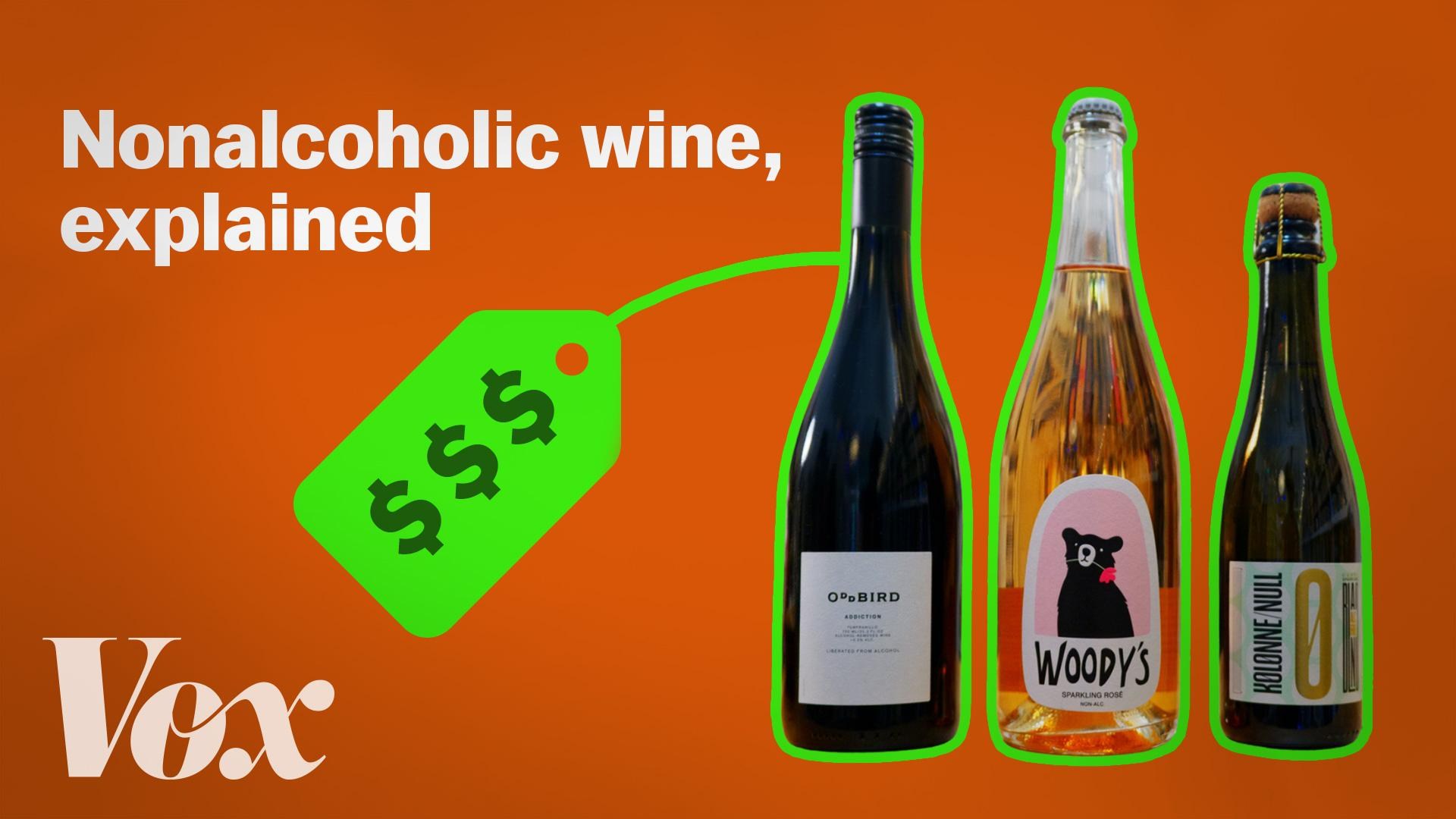
The landscape of social drinking is undergoing a seismic shift. What began as a niche trend for occasional “Dry January” participants has rapidly blossomed into a burgeoning sector of the food and beverage industry, fueled significantly by a younger demographic that prioritizes mindful consumption. These consumers are opting for less alcohol but are keen to retain the cherished rituals and communal aspects of socializing. The burgeoning nonalcoholic beer, wine, and spirits market in the US is experiencing robust growth, with sales climbing over 20 percent annually. Projections from industry analysts indicate the no-alcohol market is poised for an expansion exceeding $4 billion by 2028.
Amidst a challenging period for the traditional wine industry, currently facing one of its most significant downturns in decades, innovative entrepreneurs and food scientists are increasingly looking towards nonalcoholic wines as a promising avenue for growth. This pivot is not simply about removing alcohol; it involves sophisticated processes to create premium, dealcoholized wines that rival their alcoholic counterparts in complexity and appeal. Some are leveraging cutting-edge technology and intricate chemistry to achieve this. Others, like Burden of Proof in Los Angeles, are actively cultivating the sense of community historically associated with wine culture by establishing dedicated nonalcoholic-only retail spaces. Despite this growing consumer interest in alcohol-free options, a persistent question lingers among shoppers: why does wine without alcohol often come with such a surprisingly high price tag?
The Science and Craft Behind Dealcoholization
The premium pricing of nonalcoholic wine isn’t an arbitrary decision; it’s deeply rooted in the complex processes required to achieve a palatable and sophisticated product. Unlike simply diluting a beverage, creating high-quality nonalcoholic wine involves carefully removing the alcohol content while preserving the nuanced flavors, aromas, and mouthfeel that consumers expect from traditional wine. Techniques like vacuum distillation or reverse osmosis are employed, which are energy-intensive and require specialized equipment. These methods aim to separate alcohol from the wine at low temperatures to prevent the degradation of delicate volatile compounds responsible for flavor and aroma.
Furthermore, the base wine itself often needs to be of exceptional quality. Winemakers may start with premium grapes and traditional winemaking techniques to create a robust foundation before the dealcoholization process. The subsequent blending and finishing stages, where flavor profiles are adjusted and balanced, also demand considerable expertise and artisanal skill. This intricate dance between science and craft, from grape selection to the final bottling, contributes significantly to the overall production cost, ultimately reflecting in the retail price.
Market Dynamics and Consumer Expectations
Beyond the production challenges, market dynamics and evolving consumer expectations play a crucial role in the pricing of nonalcoholic wine. As the demand for sophisticated alcohol-free options grows, so does the perception of these beverages as premium alternatives rather than mere substitutes. Consumers seeking to reduce alcohol intake without compromising on taste or social experience are often willing to pay more for a high-quality product that delivers on its promise. This creates a premium market segment where brands can command higher prices, especially those that have invested in research, development, and marketing to establish a strong brand identity and appeal to discerning consumers.
Moreover, the burgeoning nonalcoholic beverage industry, while growing, is still a relatively young market. Many of the businesses involved are smaller startups or niche producers who may not benefit from the economies of scale enjoyed by large alcoholic beverage corporations. This can lead to higher per-unit production costs. As the market matures and production volumes increase, it’s possible that some of these price discrepancies may lessen, but for now, the cost of innovation, quality ingredients, and the specialized processes required to create truly enjoyable nonalcoholic wine mean that these “sober sips” often come with a premium price.
CONCLUSION:
The rise of nonalcoholic wine is a testament to changing societal attitudes towards alcohol consumption and a growing desire for inclusive social experiences. While the sticker shock of alcohol-free options may surprise some, understanding the intricate production processes, the investment in quality ingredients, and the evolving market dynamics reveals a clear rationale behind the premium pricing. As the industry continues to innovate and expand, consumers can anticipate an even wider array of sophisticated and flavorful nonalcoholic wines, further solidifying their place as a significant and evolving category in the beverage world.
Based on materials: Vox



