
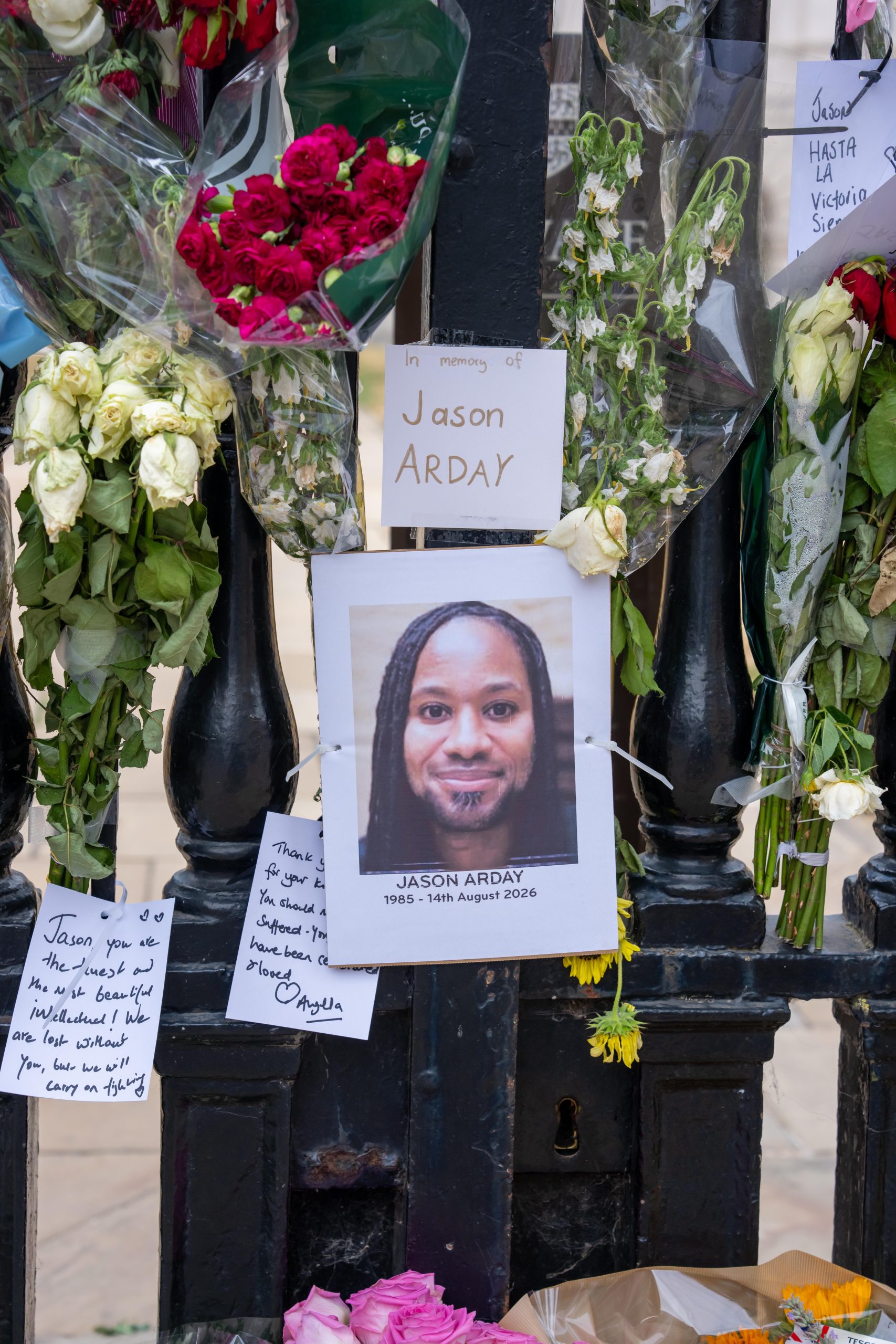
The academic world is still grappling with the complex legacy of Jason Arday, a figure who captivated many with his extraordinary rise to professorship at the University of Cambridge, only to face allegations that cast a shadow over his achievements. In March 2023, Arday was appointed Professor of Sociology of Education, a significant milestone as the youngest Black individual to ever hold such a distinguished position at the esteemed institution. His journey was not merely a testament to academic prowess but also a compelling personal narrative that resonated widely.
Arday himself had spoken publicly about overcoming significant challenges, including claiming that autism had impacted his development, rendering him unable to speak until the age of 11 and to read or write until he was 18. This profound adversity, he asserted, was a backdrop to his eventual academic success, culminating in a PhD from Liverpool John Moores University and a rapid ascent through the ranks of British higher education. His story offered a powerful message of resilience and the potential for individuals to transcend perceived limitations, inspiring many within and beyond academia.
However, the narrative took a sharp turn shortly after his Cambridge appointment. Arday was accused of plagiarizing sections of his 2015 doctoral thesis. This initial allegation opened the floodgates for further scrutiny, with the British press delving deeper into his personal history and academic record. The revelations that followed suggested a pattern of embellishment or misrepresentation in his personal accounts, raising serious questions about the authenticity of the narrative that had so captivated the public and the academic community. The extent of these discrepancies and their implications for his career and reputation became the subject of intense discussion and investigation.
The tragic circumstances surrounding Arday’s passing in August 2023, at the age of 37, have added another layer of poignancy to his story. A memorial was established by students and staff at Cambridge, a poignant reminder of the impact he had made during his tenure. While his academic contributions are now subject to rigorous re-evaluation, the case of Jason Arday serves as a stark reminder of the pressures and complexities within academia, and the intense public scrutiny that can accompany high-profile careers. It highlights the delicate balance between celebrating individual achievement and the imperative of academic integrity, leaving behind a legacy that is as debated as it is mourned.
SOURCE INFORMATION:
TITLE: The tragedy of Jason Arday
DESCRIPTION: In March 2023, Jason Arday, a rising star in British academia, became a professor of sociology of education at the University of Cambridge. At 37, he was the youngest Black person ever appointed to a professorship in the university’s history. Arday’s personal story also attracted widespread attention. He claimed that autism left him unable to […]
CONTENT: A memorial for former Cambridge professor Jason Arday was set up by students and staff outside the Senate House on August 17, 2026 in Cambridge, England. | Nordin Catic/Getty Images In March 2023, Jason Arday, a rising star in British academia, became a professor of sociology of education at the University of Cambridge. At 37, he was the youngest Black person ever appointed to a professorship in the university’s history. Arday’s personal story also attracted widespread attention. He claimed that autism left him unable to speak until he was 11 and unable to read or write until he was 18. Nonetheless, Arday eventually received a PhD from Liverpool John Moores University and continued to rise through the ranks of British higher education. Soon after starting his position at Cambridge, Arday was accused of plagiarizing portions of his 2015 doctoral thesis. And that was just the beginning. The British press began to comb through his personal story and discovered there were more question
SOURCE: Vox
Based on materials: Vox



