
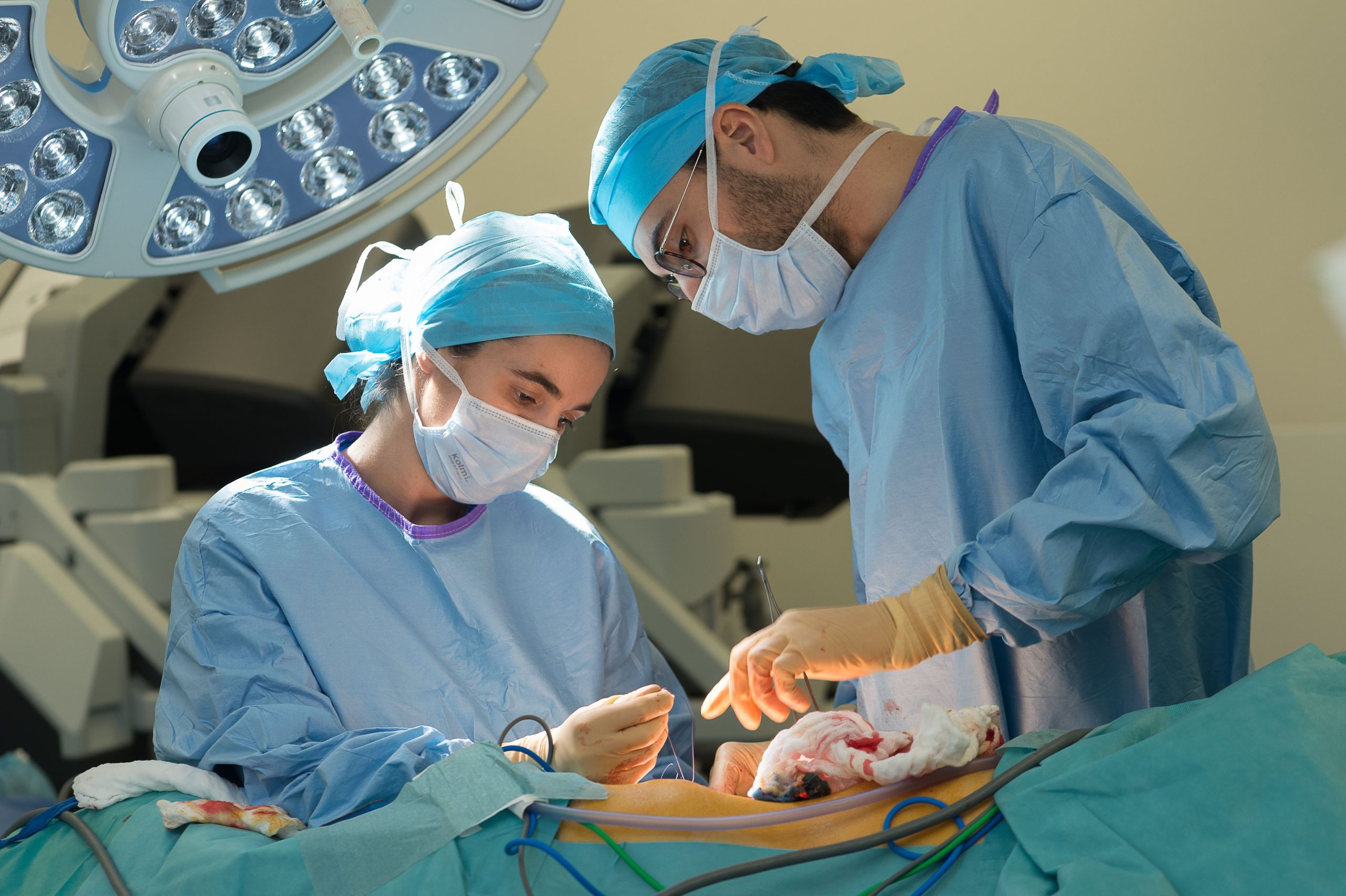
A dramatic televised medical procedure, once relegated to the realm of fiction, is now a burgeoning reality in the United States, offering a beacon of hope for individuals battling organ failure. The concept of a “paired kidney exchange chain,” where living donors altruistically offer an organ to a stranger in exchange for another compatible organ for their intended recipient, has moved from the screen to the operating room, significantly increasing the availability of life-saving transplants. This innovative approach, showcased in popular culture, is proving its mettle in real-world healthcare, prompting a critical question: why aren’t we leveraging this powerful model more extensively for other transplantable organs?
The Promise of Paired Organ Exchange
The fictionalized 12-person paired kidney transplant surgery from
Grey’s Anatomy
serves as a striking, albeit dramatized, illustration of a medical breakthrough. In reality, these chains, while complex, are becoming increasingly common and effective. They bypass the agonizingly long waitlists for deceased donors by creating a closed loop of generosity. A donor who is incompatible with their intended recipient can donate to another patient, and in return, their original recipient receives an organ from someone else within the chain. This orchestrated generosity significantly expands the pool of viable organs, offering a lifeline to those facing dire prognoses. The success of these kidney exchange programs highlights the potential for a ripple effect of life-saving donations.
Expanding Horizons: The Liver as the Next Frontier?
The success in kidney transplantation naturally leads to inquiries about other organs that can be donated by living individuals. The liver, with its remarkable regenerative capabilities, stands out as a prime candidate for a similar paired donation model. Unlike most organs, a portion of the liver can be surgically removed from a living donor, and the remaining part will regrow to its original size within a matter of weeks. This inherent resilience makes partial liver donation a less daunting prospect for living individuals. While any surgical intervention carries inherent risks, the potential for a living donor to contribute to saving a life, while also ensuring their own full recovery, presents a compelling case for further exploration and implementation of paired liver donation chains.
Overcoming Barriers to Broader Adoption
Despite the clear benefits of paired organ donation, particularly for kidneys and the potential for livers, widespread adoption faces several hurdles. The logistical complexities of coordinating multiple donors and recipients, along with the intricate surgical planning required, demand robust infrastructure and specialized medical teams. Furthermore, public awareness and education play a crucial role. Many potential donors may be unaware of the possibilities or hesitant due to a lack of understanding about the safety and efficacy of these procedures. Addressing these challenges through increased funding for transplant centers, streamlined coordination systems, and comprehensive public outreach campaigns is essential to unlock the full potential of this life-saving initiative and ensure that more individuals can benefit from the gift of organ donation.
SOURCE: Vox
Based on materials: Vox



