
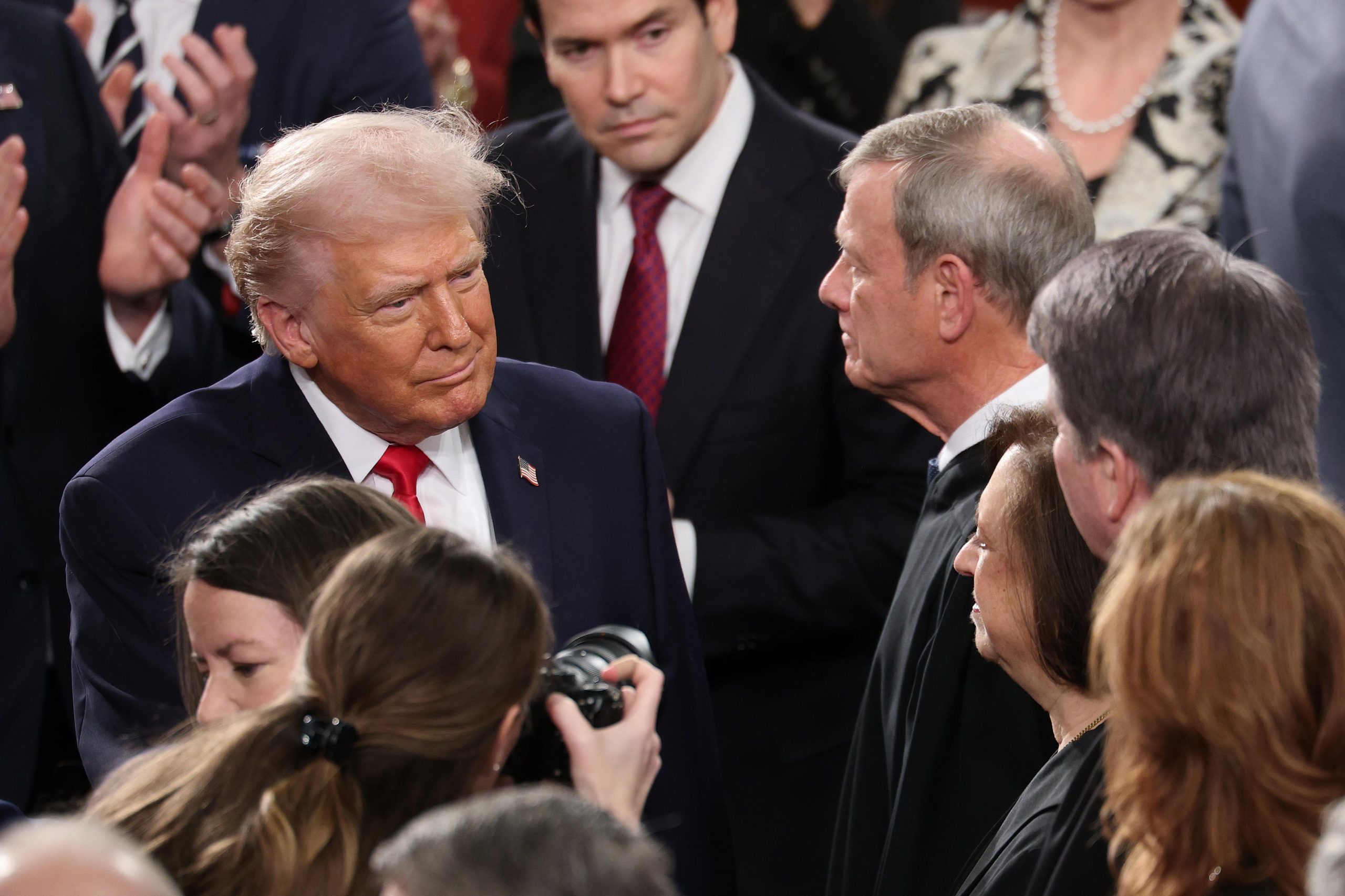
The Supreme Court has allowed a controversial executive order from President Donald Trump, which aimed to reshape election laws, to proceed. Issued in March, the order, deemed illegal by critics, asserts presidential authority to unilaterally alter U.S. election statutes. It carries the threat of prosecution for state officials who permit specific groups to vote and mandates federal design elements for mail-in ballot envelopes. The Court’s Republican majority recently sided with allowing the order to take effect, a decision met with dissent from the three Democratic justices.
A Contentious Executive Order
The core of the dispute lies in President Trump’s March executive order, which critics argue oversteps constitutional boundaries. The order purports to grant the executive branch unprecedented power to dictate election procedures, a domain traditionally reserved for states and Congress. Specifically, it targets the eligibility of certain voters and imposes federal requirements on the physical design of mail-in ballot envelopes. These mandates, according to the order, are crucial for election integrity, though opponents contend they are designed to disenfranchise voters and create logistical hurdles that could undermine the electoral process.
The Supreme Court’s decision, in the case of Trump v. California, is a significant development. While the majority allowed the executive order to move forward, the ruling’s immediate impact is nuanced. The Court’s actual holding in
California
pertains to procedural aspects concerning preliminary injunctions from lower federal courts. This means that while the executive order is no longer blocked by those specific lower court rulings, the broader legal challenges to its substance and constitutionality are far from over. The dissenting opinions underscore the deep divisions within the Court regarding the executive’s authority in election matters.
Implications and Future Battles
This ruling, though seemingly a victory for the Trump administration’s agenda, is likely just one chapter in a protracted legal saga. The executive order’s broad claims of presidential power over election administration are likely to face further scrutiny in the courts. The threat of prosecution against state officials and the mandates on ballot envelopes will continue to be points of contention. Election law experts anticipate that the underlying legal arguments about federal overreach versus state sovereignty will be rigorously debated in subsequent legal proceedings.
The decision also raises broader concerns about the politicization of the judiciary and the potential for executive actions to influence electoral outcomes. As the nation approaches future elections, the implications of such executive orders and the Supreme Court’s role in adjudicating them will remain a critical focus. The battle over the integrity and accessibility of the vote is increasingly being fought in the courtroom, with the Supreme Court at the epicenter of these high-stakes legal contests.
SOURCE: Vox
Based on materials: Vox



