
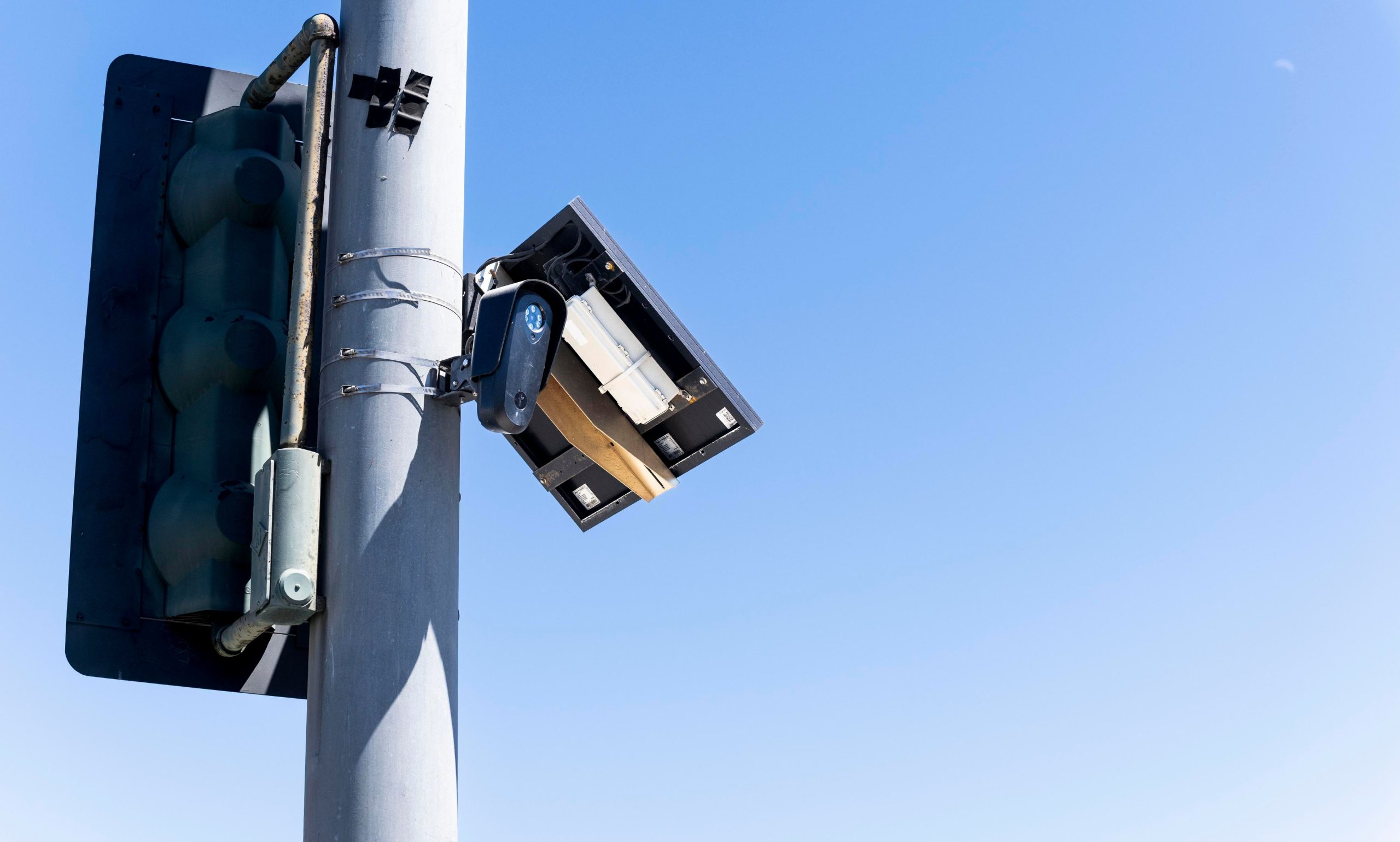
The pervasive spread of AI-powered license plate readers, like those from Flock Safety, is igniting a rare moment of bipartisan consensus in Washington, as lawmakers from both sides of the aisle express growing concern over the technology’s implications for privacy and data security. These sophisticated cameras, increasingly embedded in urban and suburban landscapes, are quietly amassing a national database of vehicle movements, creating a digital footprint of citizens’ daily lives.
Unseen Eyes on Our Roads
For many Americans, the presence of Flock’s AI cameras is an unnoticed aspect of their daily commute. The technology, which utilizes artificial intelligence to read license plates, has been rapidly deployed across the nation, appearing on light poles and roadside posts. The data collected – precise timestamps and locations of vehicles – is then made available to law enforcement agencies. However, the scope of this data collection, its retention policies, and the accessibility of this information remain largely opaque to the public. This lack of transparency is precisely what is fueling the current legislative scrutiny.
A Growing Coalition for Answers
The unease surrounding Flock’s data practices has coalesced a surprising coalition of critics. While privacy advocates have long raised alarms about surveillance technologies, the current pushback includes notable figures from across the political spectrum. This week, Senate Republicans launched an official inquiry into Flock’s “collection, retention, and dissemination” practices. This move signifies a significant step towards potential federal regulation, indicating that concerns about unchecked data access are no longer confined to a single ideological corner. The investigation aims to shed light on who has access to this vast repository of information, how long it is stored, and under what conditions it can be accessed.
The Road Ahead: Regulation and Privacy
The bipartisan nature of this inquiry underscores a fundamental concern: the potential for misuse of such powerful surveillance tools. As AI technology becomes more integrated into public safety, the need for robust oversight and clear legal frameworks becomes paramount. The current situation with Flock cameras highlights a broader societal challenge in balancing the benefits of technological advancement with the imperative to protect individual privacy. The Senate’s investigation is likely to be the first of many discussions and potential legislative actions aimed at establishing guidelines for AI-driven surveillance and ensuring that the data collected serves legitimate public safety needs without eroding civil liberties. The outcome of this probe could set a precedent for how similar technologies are regulated in the future, potentially leading to stricter controls on data access and retention.
SOURCE INFORMATION:
TITLE: The weird coalition taking on Flock
DESCRIPTION: This story appeared in Today, Explained, a daily newsletter that helps you understand the most compelling news and stories of the day. Subscribe here. I passed five Flock cameras on my drive to work today, entirely without realizing it. The AI-powered license plate readers have metastasized on light poles and roadside posts across the country over the past […].
CONTENT: A Flock camera photographed in Costa Mesa, California, on August 17, 2026. | Paul Bersebach/Getty Images This story appeared in Today, Explained, a daily newsletter that helps you understand the most compelling news and stories of the day. Subscribe here. I passed five Flock cameras on my drive to work today, entirely without realizing it. The AI-powered license plate readers have metastasized on light poles and roadside posts across the country over the past few years, building a vast national database of vehicle movements that law enforcement agencies can access with few restrictions. What are they doing with all that data? Who has access, and for how long? We don’t have clear answers to these questions — and lawmakers on both the right and the left increasingly want them. Yesterday, Senate Republicans opened an inquiry into Flock’s data “collection, retention, and dissemination” practices — a first step that could eventually lead to federal regulatio
SOURCE: Vox
Based on materials: Vox



