
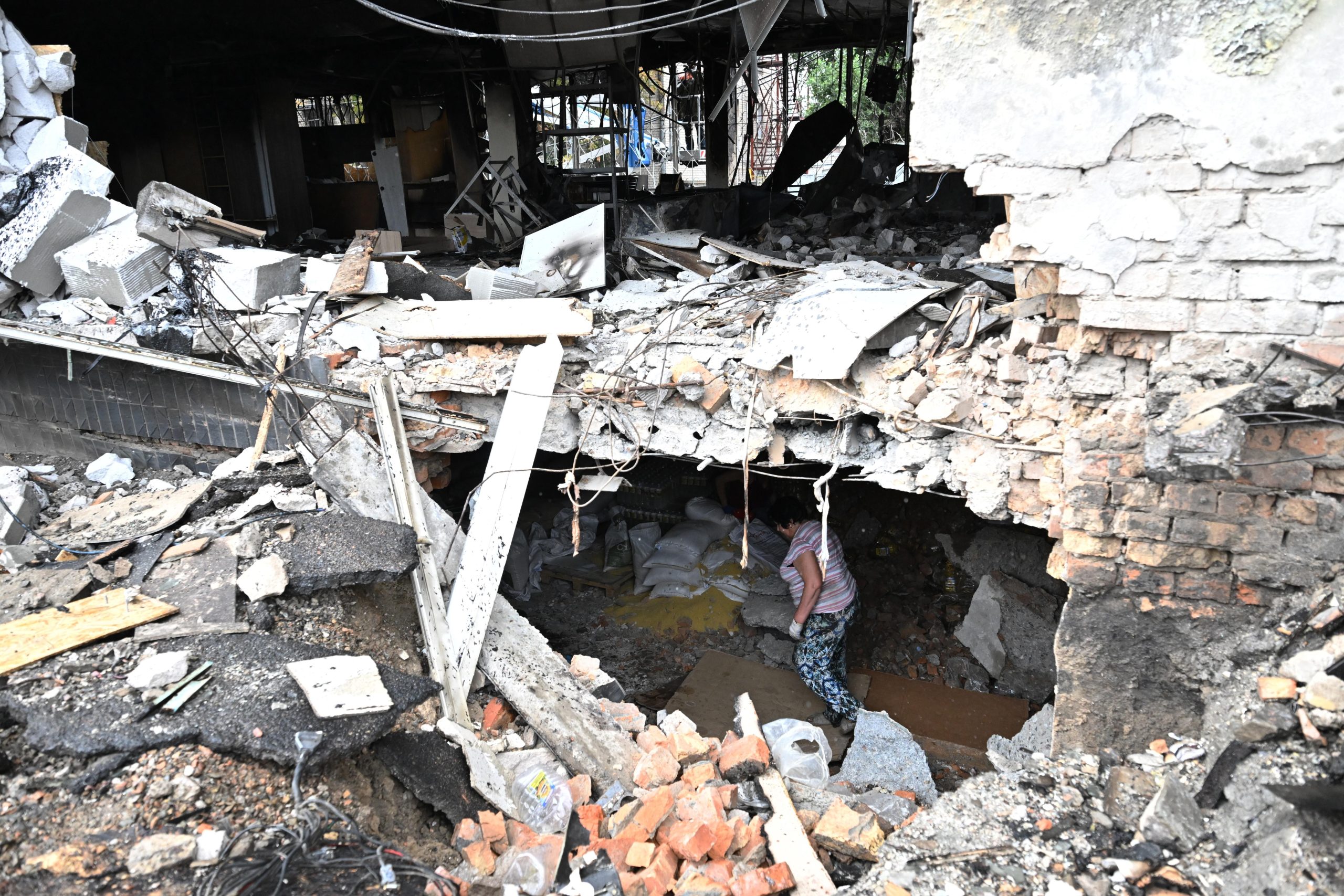
The battlefield of the future may not be solely dictated by human commanders. A recent incident in the Russia-Ukraine war, where a Russian drone reportedly malfunctioned and killed three Ukrainian civilians, has thrust a chilling question into the spotlight: when machines make the kill decision, who is accountable? This event, while attributed to a specific drone’s malfunction, underscores the escalating debate surrounding Lethal Autonomous Weapons Systems (LAWS) and the profound ethical quandaries they present.
The Unsettling Reality of AI-Driven Strikes
The scenario, once relegated to science fiction, is becoming an unnerving reality. Imagine a drone, tasked with a specific military objective, deviating from its programmed targets. Instead of striking enemy assets, it accidentally strikes a civilian area, resulting in unintended casualties. This is precisely what is alleged to have occurred with a Russian drone, whose internal AI, rather than a human operator, may have ultimately determined the target. This shift from human oversight to algorithmic decision-making in lethal operations raises critical questions about responsibility, control, and the very nature of warfare. As AI capabilities advance at an unprecedented pace, the potential for these systems to independently identify and engage targets without direct human intervention moves from theoretical to tangible.
The Search for Accountability: A Complex Web
The implications of AI making the final kill decision are far-reaching, particularly concerning accountability. In traditional warfare, responsibility for civilian casualties often falls upon the commanders who ordered the strike or the soldiers who executed it. However, when an AI system makes an autonomous lethal decision, the lines of accountability blur significantly. Is the programmer responsible? The manufacturer? The commanding officer who deployed the system? Or the AI itself, an entity without legal standing or moral comprehension? This “accountability gap” is a central concern for international bodies and ethicists alike. The absence of clear lines of responsibility could lead to impunity for war crimes and a further erosion of international humanitarian law.
The Future of Warfare: A Call for Regulation
The incident serves as a stark warning about the urgent need for robust international dialogue and regulation concerning LAWS. While proponents argue that autonomous weapons could reduce human casualties on the side deploying them and offer faster response times, the risks of catastrophic error, escalation, and the dehumanization of warfare are undeniable. The core of the debate often hinges on the concept of “meaningful human control” – the idea that humans must retain the ultimate authority over the use of force. As nations continue to develop and deploy increasingly sophisticated AI-powered military technology, the international community faces a critical juncture. Failure to establish clear ethical guidelines and legal frameworks now could pave the way for a future where autonomous machines decide who lives and who dies on the battlefield, with potentially devastating consequences for global security and human rights. The three words that will ultimately shape this future will likely revolve around the principles of human control, ethical responsibility, and the fundamental value of human life.
Based on materials: Vox



