
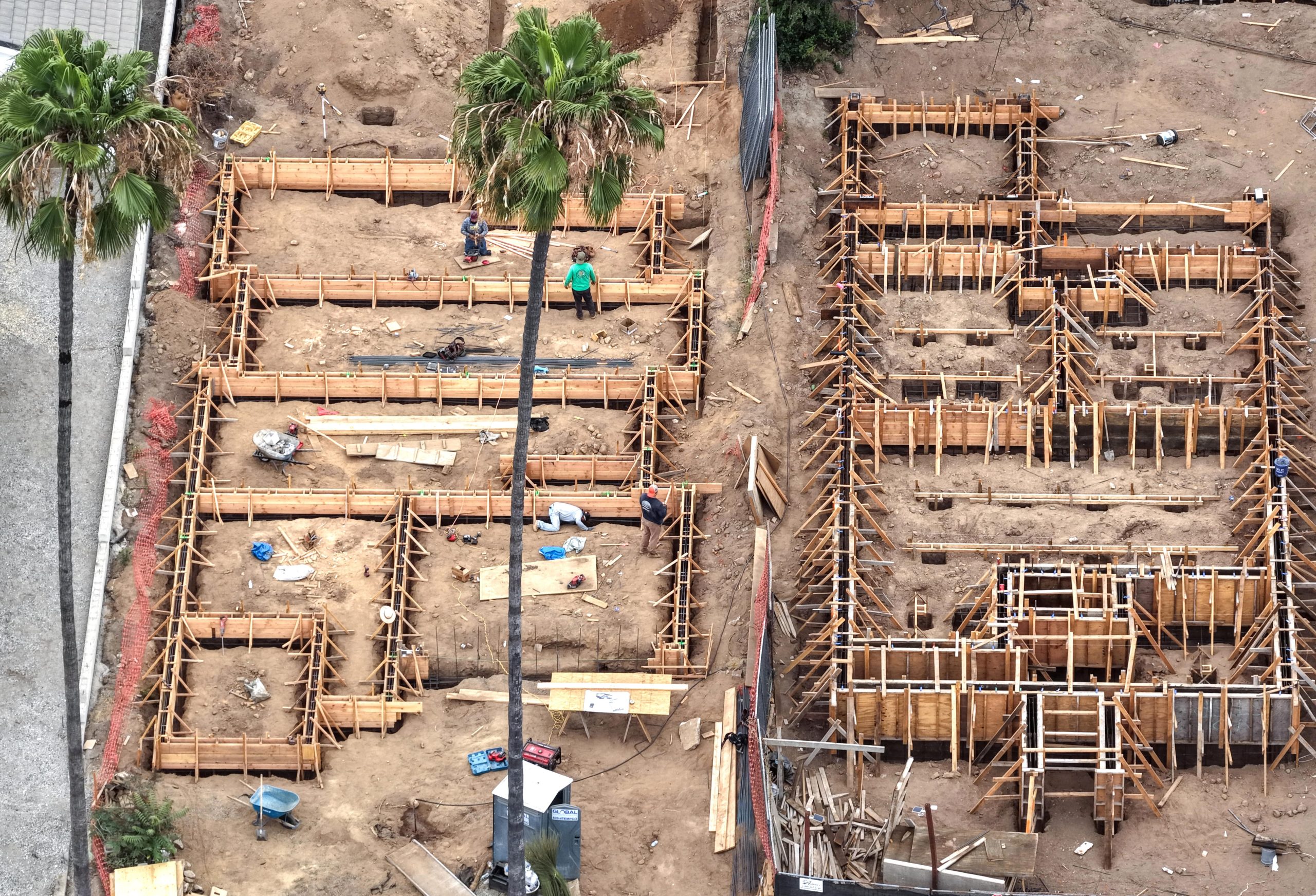
The scars of the January 2025 wildfires still linger in Los Angeles County, a grim reminder of nature’s destructive power. Beyond the immediate devastation, these catastrophic events have ignited a long-simmering debate about housing, community character, and the pervasive influence of local zoning laws. As fire-ravaged communities like Altadena and the Pacific Palisades grapple with the agonizingly slow process of rebuilding, a critical question hangs in the air: what will rise from the ashes?
This profound challenge unfolds against the backdrop of a region already suffocating under a severe housing shortage and some of the nation’s most exorbitant housing costs. The slow pace of reconstruction, exacerbated by complex rebuilding regulations and community resistance to increased density, is only intensifying an already desperate situation. Now, California’s legislature is on the verge of a decision that could further entrench these obstacles, potentially setting a dangerous precedent for housing affordability across the state.
The Slow Burn of Rebuilding and Resistance
More than eighteen months after the flames swept through, many residents are still navigating the labyrinthine process of rebuilding their lives and homes. This painstaking effort is frequently hampered by the very regulations designed to protect neighborhoods, ironically slowing down recovery and exacerbating the housing crunch. The “Not In My Backyard” (NIMBY) sentiment, often expressed through vocal opposition to new developments and increased housing density, presents a significant hurdle. While proponents argue these sentiments are rooted in preserving community character and managing resources, critics contend they are a primary driver of the housing crisis, artificially limiting supply and driving up prices.
A Legislative Crossroads: Density vs. Local Control
As the rebuilding efforts crawl, California’s lawmakers are considering legislation that could significantly impact the future of housing development. The proposed law, reportedly influenced by local anti-density pressures, risks codifying resistance to denser housing, making it even harder to address the critical shortage. This move is particularly contentious in a state already struggling to provide adequate and affordable housing for its growing population. The debate pits the urgent need for more homes against the deeply entrenched desire of some communities to maintain their current aesthetic and perceived quality of life, raising complex questions about who benefits and who is left behind in the housing market.
Broader Implications for California’s Housing Future
While the immediate focus is on the fire-affected communities, the legislative decisions being made now carry significant weight for the entire state. The struggle to rebuild and the ensuing zoning debates serve as a microcosm of California’s larger housing challenges. The outcome of these discussions could shape the availability and affordability of housing for generations to come, potentially exacerbating existing inequalities. The question remains whether the state will prioritize innovative solutions to increase housing supply and affordability, or allow localized resistance to dictate a future of continued scarcity and escalating costs.
Based on materials: Vox



