The long-simmering conflict between the United States and Iran has once again escalated, with recent military actions threatening to disrupt vital global shipping lanes. The latest exchange, involving US strikes on Iranian rocket launchers and retaliatory Iranian missile fire, underscores the precarious nature of the relationship and the potential economic fallout for the international community.
Escalation on Larak Island
The immediate trigger for the renewed tensions appears to be the US claim that Iran was preparing to lay mines in the Strait of Hormuz. In response, American forces targeted rocket launchers on Iran’s Larak Island. This strategic waterway, a critical chokepoint for global oil transport, has been a flashpoint in past conflicts, with Iran having previously threatened to disrupt shipping. The US action, according to official statements, was a preemptive measure to prevent such disruption. However, Iran’s reaction was swift and significant.
Iran’s Ballistic Response
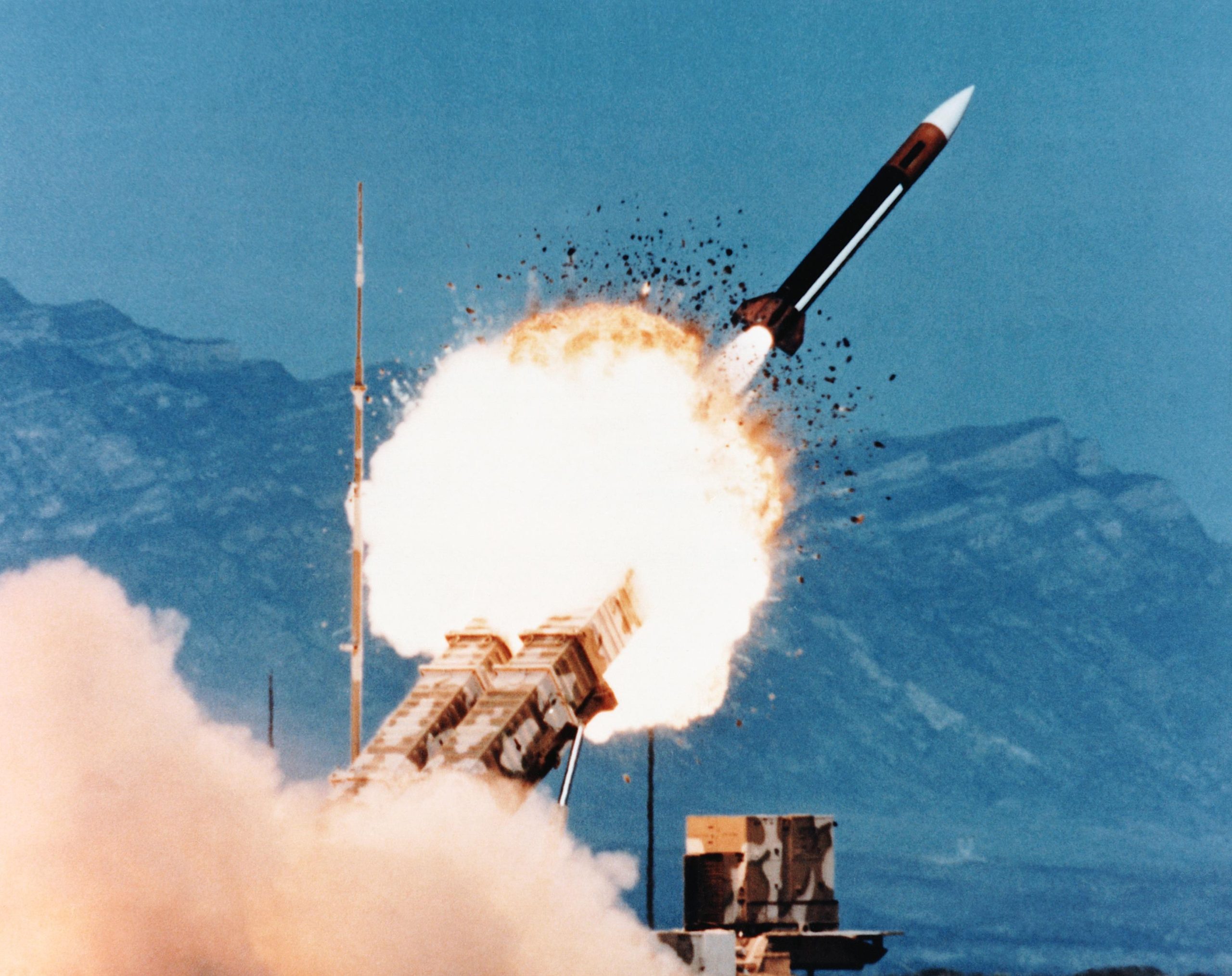
Following the US strikes, Iran launched a volley of ballistic missiles towards US sites in the United Arab Emirates and Jordan. Reports indicate that these missiles were intercepted, preventing immediate casualties or further damage. This retaliatory action signals Iran’s willingness to respond forcefully to perceived aggression and highlights the dangerous cycle of escalation that characterizes the US-Iran relationship. The fact that these events follow a period of relative calm suggests that the conflict is not a static one, but rather a dynamic struggle with recurring flare-ups.
Geopolitical and Economic Implications
The ongoing friction between the US and Iran carries profound geopolitical and economic implications. The Strait of Hormuz is responsible for the transit of a significant portion of the world’s oil supply. Any sustained disruption to this vital artery could lead to sharp increases in energy prices, impacting economies worldwide. Furthermore, the constant threat of conflict in the region creates uncertainty for investors and businesses, potentially deterring trade and investment. The “on-again, off-again” nature of this conflict, as described in the original reporting, makes it difficult for regional actors and international powers to predict and manage the situation effectively. This creates a climate of instability that can have ripple effects far beyond the immediate geographical area. The question of “affordability” extends beyond financial costs to encompass the broader human and political toll of prolonged regional instability.
Conclusion
The latest military exchanges serve as a stark reminder of the volatile nature of US-Iran relations. While the immediate threat of widespread conflict may have been averted in this instance, the underlying tensions remain. The international community will be closely watching to see if diplomatic channels can be effectively utilized to de-escalate the situation and prevent further military action that could jeopardize global energy security and regional stability. The cyclical nature of these confrontations demands a sustained focus on de-escalation and a deeper understanding of the complex factors driving this enduring conflict.
Based on materials: Vox