
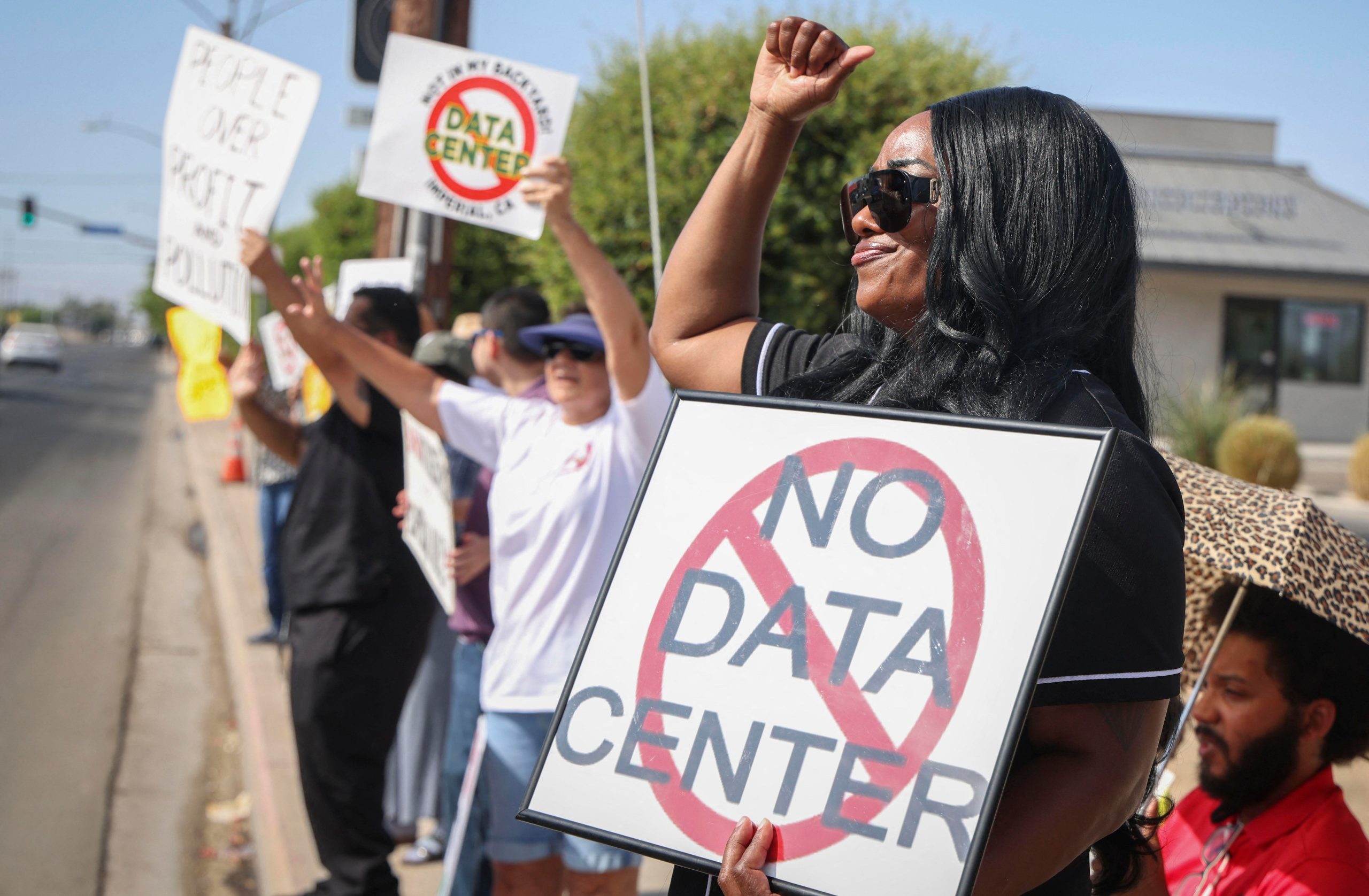
The once-lauded engines of the digital age, data centers, are facing an unprecedented surge of public opposition across the United States. What was once a quiet, behind-the-scenes infrastructure essential for our online lives is now a lightning rod for community concern, sparking protests and influencing political discourse. Recent polling reveals a dramatic shift in public sentiment, with support for new data center construction plummeting while opposition skyrockets.
A Swift Turn in Public Opinion
A stark indicator of this changing tide comes from a recent survey conducted by Heatmap Pro and Embold Research. In August, a mere 15 percent of Americans expressed support for a data center being built in their vicinity. This represents a significant nosedive from just one year prior, when a comparable poll found that 43 percent of respondents approved of such developments. Conversely, opposition has surged, with 75 percent of Americans now voicing their disapproval, a sharp contrast to the 42 percent who opposed data centers a year ago. This dramatic swing in public perception suggests a growing awareness of the potential downsides associated with these massive facilities.
The negative sentiment is not confined to opinion polls. It’s manifesting in tangible ways, influencing policy and political arenas. In Wisconsin, gubernatorial candidates have recently engaged in debates centered on their stance against data center development, highlighting the issue’s political salience. Similarly, Pennsylvania’s Governor Josh Shapiro has implemented new restrictions aimed at curbing data center expansion, signaling a proactive governmental response to community anxieties. These actions underscore the growing pressure on both industry leaders and policymakers to address public concerns.
Understanding the Roots of the Resistance
While the specifics of public opposition can vary, several key concerns are consistently emerging. Environmental impacts are a significant driver, with data centers being notoriously power-hungry and water-intensive. As the demand for digital services continues to escalate, so does the energy required to power the servers and the cooling systems that keep them operational. This has led to increased scrutiny regarding the strain data centers place on local power grids and the potential for significant carbon footprints, especially if the energy sources are not renewable.
Furthermore, communities are increasingly vocal about the potential impact on local resources, such as water availability, and the aesthetic and noise pollution associated with these large-scale industrial facilities. The rapid pace of data center construction, often driven by the insatiable appetite for AI and cloud computing, is leading to concerns about unchecked development and its long-term implications for local communities. This growing awareness has empowered residents to demand greater transparency and accountability from developers and local governments.
The Path Forward: Rebuilding Trust and Sustainability
The data center industry is at a critical juncture. The current wave of public backlash presents a significant challenge, but also an opportunity for introspection and adaptation. To navigate this evolving landscape, data center developers and operators will need to prioritize not only technological advancement but also community engagement and environmental responsibility. Proactive communication, transparent impact assessments, and a genuine commitment to sustainable practices, including the use of renewable energy sources and efficient water management, will be crucial in rebuilding public trust. Ignoring these growing concerns risks not only delaying or halting future projects but also damaging the industry’s reputation for years to come. The future of data centers hinges on their ability to demonstrate that they can be responsible neighbors and sustainable contributors to the digital economy, rather than simply powerful, resource-intensive giants.
Based on materials: Vox



