
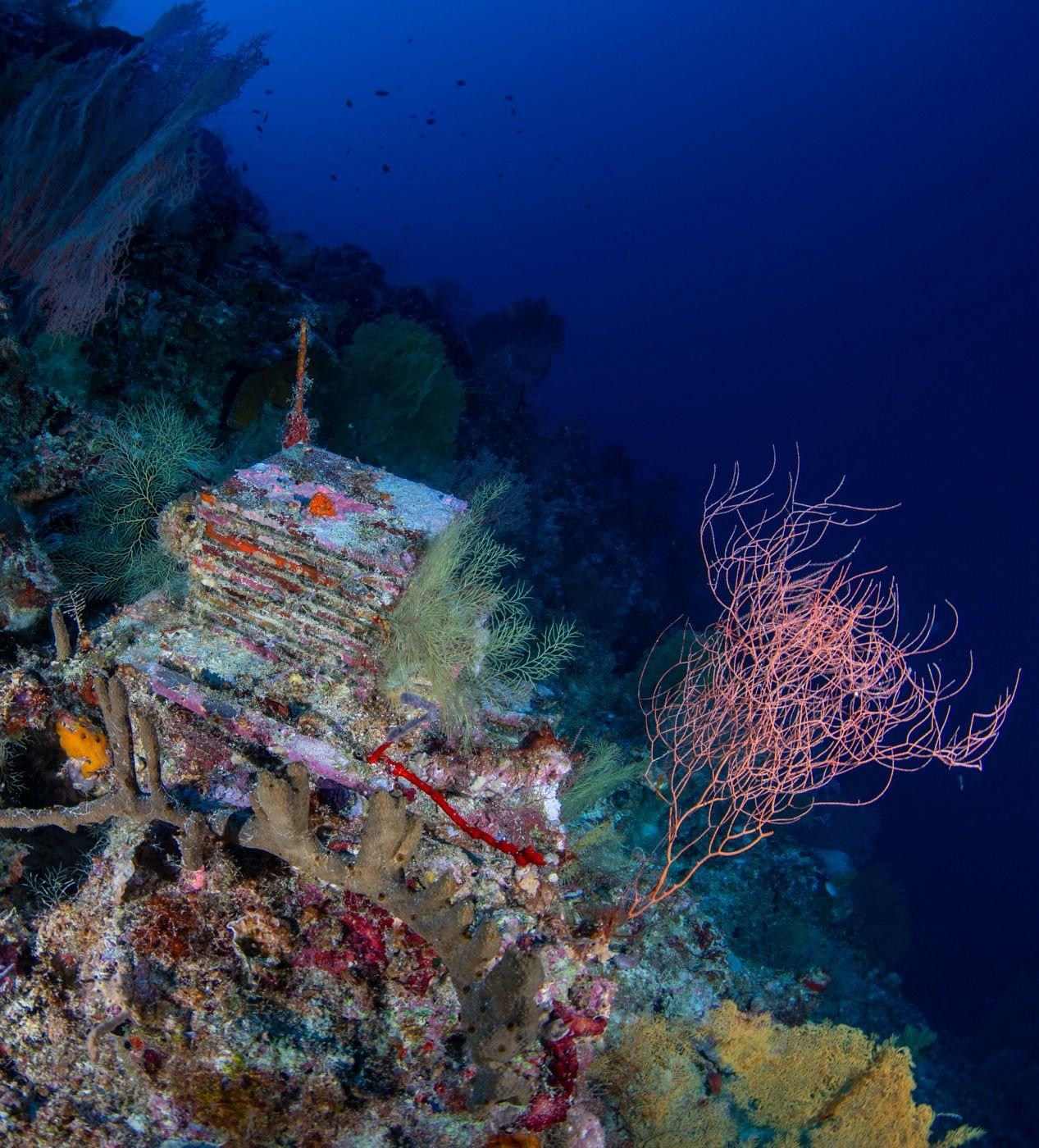
The vibrant coral reefs of Palau are world-renowned, drawing divers to their sun-drenched waters. But beneath this familiar spectacle lies a hidden world, a mysterious “twilight zone” of deep reefs, now becoming a focal point for scientific exploration. This lesser-known realm, stretching from roughly 30 to 150 meters below the surface, offers a unique glimpse into marine ecosystems existing in the liminal space between bright sunlight and profound darkness.
Exploring the Mesophotic Frontier
These “deep reefs,” scientifically termed mesophotic coral ecosystems (MCEs), are characterized by their intermediate light levels – hence “mesophotic,” meaning “middle light.” While visually distinct from their shallower counterparts, these deeper communities are proving to be far more than just a shadowy extension of shallow reefs. Researchers are deploying advanced technologies, such as Autonomous Reef Monitoring Structures (ARMS), to collect data and samples from these challenging depths. These structures act as artificial habitats, attracting and cataloging the diverse life that calls the mesophotic zone home. The evidence brought up by divers, meticulously collected from these ARMS units, is crucial for understanding the biodiversity, ecological processes, and resilience of these often-overlooked marine environments.
A Haven for Biodiversity and Resilience
The exploration of Palau’s deep reefs is not merely an academic pursuit; it holds significant implications for marine conservation and our understanding of the ocean’s health. These deeper ecosystems may serve as crucial refuges for species that are struggling to survive in warming and acidifying shallow waters. By providing cooler temperatures and potentially more stable conditions, deep reefs could act as vital reservoirs for coral larvae and mobile species, aiding in the recovery of damaged shallow reefs. Zoologists and other marine scientists involved in these expeditions are meticulously analyzing the collected specimens, identifying new species and charting the intricate food webs that sustain these hidden communities. This ongoing research is vital for informing conservation strategies and ensuring the long-term survival of these unique marine habitats.
The Future of Deep Reef Research
The quest to understand Palau’s deep reefs is representative of a broader scientific endeavor to explore the vast and largely unknown regions of our oceans. As technology advances, allowing for deeper and longer-duration explorations, our comprehension of these critical mesophotic ecosystems will undoubtedly expand. The data gathered from these “middle light” zones is not only expanding the known boundaries of marine biodiversity but also offering critical insights into the adaptive capabilities of marine life in the face of global environmental changes. The mysteries of the deep reefs are slowly being unveiled, promising to reshape our perception of the ocean’s incredible, and often hidden, complexity.
Based on materials: Vox



