
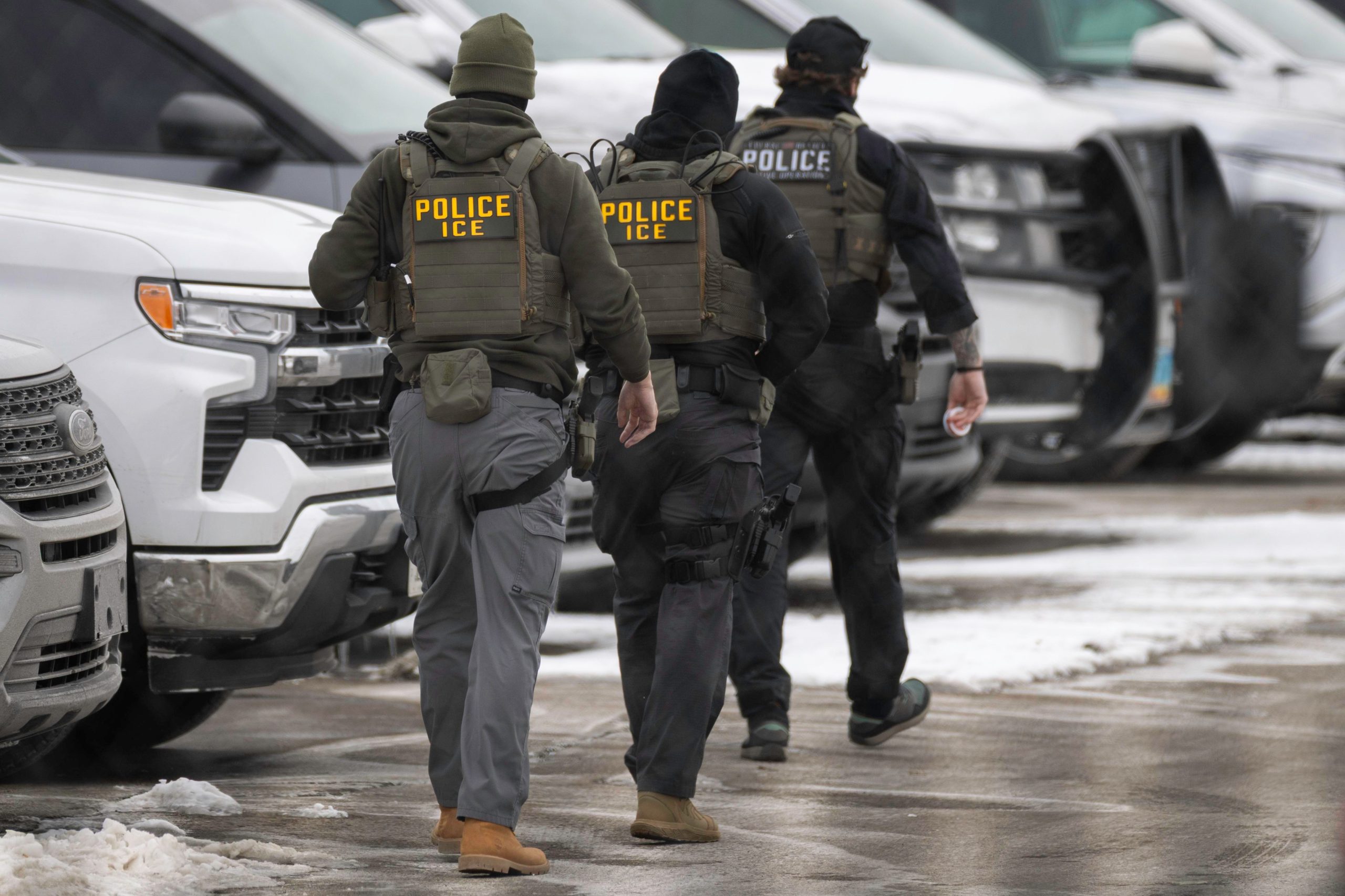
A recent federal court decision has ignited controversy, potentially shielding an Immigration and Customs Enforcement (ICE) officer from facing criminal charges for allegedly shooting and lying about the incident. The case of Christian Castro, a suspended ICE officer, was poised to be a landmark moment, demonstrating accountability for federal law enforcement. However, a judge’s interpretation of legal protections has thrown this expectation into question, raising concerns about the application of law when it comes to federal agents.
A Near Miss for Accountability
For a fleeting period, it seemed that justice might prevail for the victim of an alleged shooting. Christian Castro, an ICE officer, was reportedly facing serious legal repercussions. Minnesota prosecutors had filed four felony counts of assault and one count of falsely reporting a crime against him, seeking his extradition from Texas to face trial. Adding to the potential consequences, federal prosecutors were also reportedly preparing to bring charges related to a violation of federal civil rights laws. This dual-pronged legal approach suggested a robust effort to hold Castro accountable for his alleged actions during the occupation of Minneapolis in early 2026.
Legal Protections Under Scrutiny
The trajectory of Castro’s case took a sharp turn following a federal judge’s ruling. While the specifics of the judge’s reasoning are still being fully analyzed, the outcome appears to have granted Castro a significant degree of legal protection, effectively preventing him from facing the criminal charges previously laid out by state and federal prosecutors. This development has sparked debate among legal experts and civil liberties advocates, who argue that such protections can create a system where federal officers are effectively placed above the law, undermining public trust and the principle of equal justice. The implication is that the legal framework designed to hold individuals accountable may, in certain circumstances, be interpreted in a way that shields those acting under the color of federal authority.
Implications for Oversight and Trust
The implications of this ruling extend beyond the individual case of Christian Castro. It raises critical questions about the oversight mechanisms for federal law enforcement agencies and the level of accountability they face when alleged misconduct occurs. Critics argue that such legal interpretations can embolden officers to act with impunity, knowing that they may be shielded from prosecution. Conversely, proponents of such legal protections might argue they are necessary to allow officers to perform their duties without undue fear of frivolous lawsuits or politically motivated charges. Regardless of the intent, the perception of justice being unevenly applied can erode public confidence in law enforcement and the judicial system. This case serves as a stark reminder of the ongoing tension between ensuring public safety and upholding the fundamental principle that no one is above the law.
Conclusion:
The case of Christian Castro highlights a complex and contentious area of law: the accountability of federal agents. While the initial pursuit of charges offered a glimmer of hope for accountability, a federal judge’s decision has cast a shadow over that prospect. The ruling underscores the critical need for ongoing dialogue and potential legislative or judicial clarification regarding the scope of legal protections afforded to federal officers, ensuring that the pursuit of justice remains paramount and that the public can maintain faith in the fairness of the legal system.
Based on materials: Vox



