
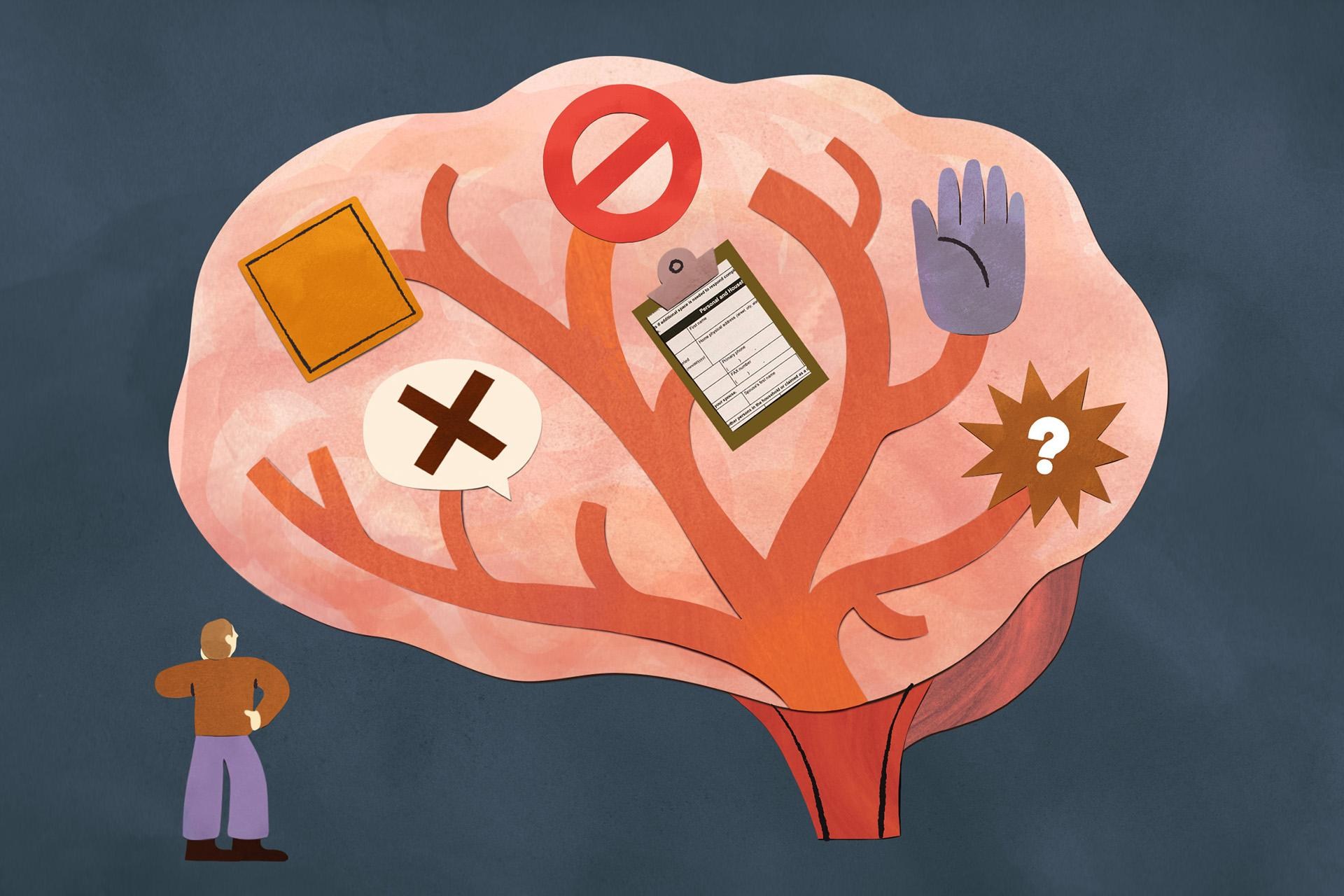
The process of donating a loved one’s brain for scientific research, particularly for conditions like dementia, is fraught with emotional complexity and logistical hurdles, as one individual discovered. Far from being a straightforward act of generosity, the journey involves intricate coordination, time-sensitive decisions, and often, unexpected roadblocks.
The Emotional and Logistical Maze
The author recounts an emotionally draining three-way call, highlighting the intense pressure and delicate negotiations involved in securing a place for her father’s brain in a research study. The conversation, involving a UCLA brain donation program coordinator and a crematorium representative, underscored the urgency and multifaceted nature of the undertaking. The initial hope for a “silver lining” – contributing to a greater understanding of dementia – was tempered by the stark realities of the process. Her 78-year-old father, living with advanced dementia in a memory care community, was the subject of these discussions, emphasizing the personal and deeply emotional context of the situation.
A Growing Need, Limited Pathways
The demand for donated brains for dementia research is significant. The World Health Organization labels dementia as a “greatest health challenge of our generation,” projecting 78 million cases globally by 2030. This escalating need underscores the critical importance of brain donation programs. However, the author’s experience reveals that the pathways for donation are not always smooth. The crematorium’s inability to facilitate the donation, despite the apparent demand, points to the specialized requirements and protocols that must be met. These can include specific timelines for collection after death, the condition of the brain, and the availability of research facilities equipped to handle such donations. The intricate nature of these requirements often necessitates close collaboration between families, medical professionals, and research institutions.
The Unforeseen Challenges of Donation
The story serves as a poignant reminder that while the desire to contribute to scientific advancement is noble, the practicalities of brain donation can be unexpectedly challenging. Families are often navigating their grief while simultaneously grappling with complex logistical and ethical considerations. The process requires a deep understanding of research protocols, the availability of suitable studies, and the capacity of institutions to accept and process donations. The author’s journey, while marked by difficulty, ultimately highlights the profound impact such contributions can have on advancing our understanding of devastating neurological conditions and potentially leading to future treatments and cures. The dedication of individuals willing to undertake this arduous process underscores the shared commitment to conquering diseases like dementia.
Based on materials: Vox



