
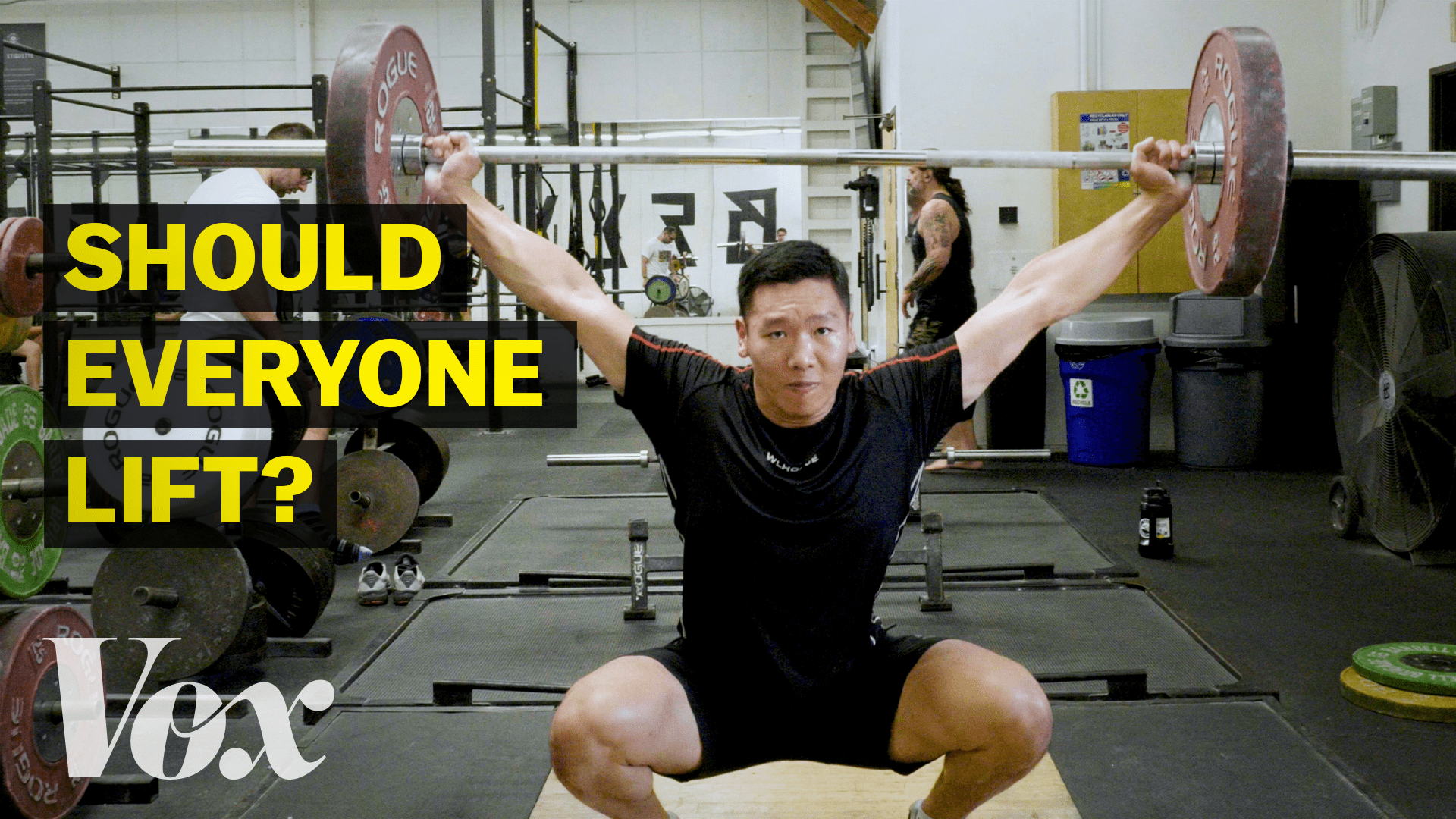
Olympic weightlifting, a sport that captivates audiences with its displays of raw power, is far more nuanced than it appears. At its core, the discipline revolves around two explosive movements: the snatch and the clean and jerk. Yet, beneath the surface of these seemingly straightforward lifts lies a complex interplay of technique, speed, strategic acumen, and profound psychological fortitude. To truly understand what it takes to excel, we delve into the insights of Matthew Tung, a seasoned competitive weightlifter representing Hong Kong on the international stage.
The Art of the Lift: Technique and Strategy
Tung breaks down the fundamental mechanics of the snatch and the clean and jerk, movements that demand not just brute force but also precision timing and athletic coordination. The snatch, a single, continuous motion, requires the lifter to pull the barbell from the floor to an overhead position in one fluid arc. The clean and jerk, a two-part lift, involves first bringing the barbell to the shoulders (the clean) and then driving it overhead (the jerk). Mastering these lifts involves years of dedicated practice, focusing on explosive power, flexibility, and a deep understanding of biomechanics.
Beyond the physical execution, Tung illuminates the strategic layers of competition. A crucial element is the athlete’s ability to adjust their declared weights between attempts. This decision-making process is a high-stakes gamble, influenced by the performance of rivals, the lifter’s own perceived readiness, and an understanding of the scoring system. In Olympic weightlifting, a lifter can miss up to four of their six allotted attempts and still emerge victorious. This highlights the importance of strategic weight selection and the mental resilience to recover from missed lifts, rather than simply attempting personal bests on every occasion.
Beyond the Platform: Lessons for All
The dedication of Olympic weightlifters offers valuable lessons that extend beyond the realm of elite sports. Tung’s own journey, which reportedly involved competing in borrowed athletic wear and self-teaching through online resources, underscores the passion and resourcefulness required to reach the pinnacle of any discipline. For those looking to enhance their own strength training, the principles of Olympic weightlifting – meticulous technique, progressive overload, strategic planning, and unwavering mental toughness – are universally applicable.
Pushing the boundaries of human strength is an endeavor that demands a holistic approach. It’s not merely about lifting the heaviest weight possible; it’s about the intelligent application of power, the strategic navigation of competition, and the psychological resilience to overcome challenges. The world of Olympic weightlifting, therefore, serves as a compelling case study in dedication, strategic thinking, and the extraordinary potential of the human body and mind when pushed to their absolute limits.
Based on materials: Vox



