
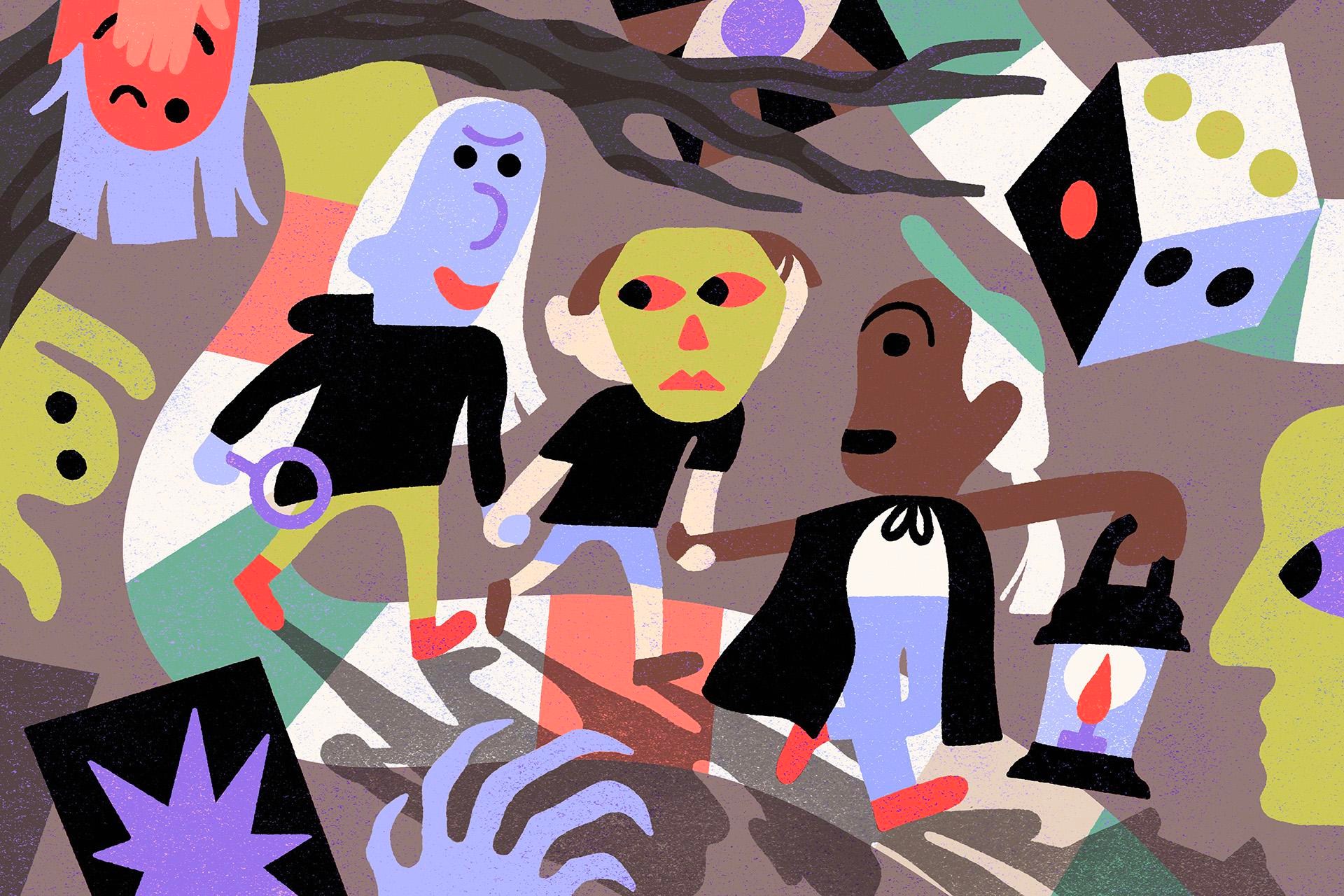
In a surprising twist on social interaction, the path to genuine friendship can sometimes be paved with carefully crafted deception. Across the globe, individuals are gathering for a unique brand of social engagement, where the thrill lies in deciphering allegiances and navigating a landscape of hidden motives. The very act of trying to unmask a potential betrayer, or perhaps even being one, can forge remarkably deep connections.
This phenomenon is at the heart of social deduction and social deception games, a genre that has captivated audiences for decades. From classic iterations like Mafia and Werewolf to more contemporary hits such as Blood on the Clocktower, these games share a fundamental mechanic: a subset of players operates with concealed identities and objectives, while the majority must employ astute social maneuvering to uncover the truth. Players engage in a delicate dance of subtle hints, outright falsehoods, rigorous interrogation, and clever deduction, all while attempting to mask their own intentions. For those familiar with the hit reality television series “The Traitors,” the core concept will feel instantly recognizable.
The appeal of these “lying games” is not confined to niche communities; it’s a rapidly growing trend. The recent premiere of “The Traitors” in the US garnered an impressive 638 million viewing minutes on Peacock in January, signaling a widespread fascination with the psychological drama inherent in these scenarios. On the tabletop front, Blood on the Clocktower has achieved significant commercial success, selling over 100,000 copies worldwide and consistently ranking high in player engagement. This surge in popularity suggests a deep-seated human desire to explore trust, betrayal, and the complex dynamics of group decision-making in a low-stakes, highly entertaining environment.
What drives the appeal of such games? Experts suggest it taps into our innate social intelligence and our fascination with human psychology. The pressure to persuade, the satisfaction of uncovering a lie, and the shared experience of navigating uncertainty all contribute to a potent cocktail of engagement. Beyond the intellectual challenge, these games create a shared narrative and a sense of collective experience. When players successfully unmask a traitor or work together to achieve a common goal, the resulting camaraderie is often palpable. The vulnerability required to participate, whether as a deceiver or a detective, can paradoxically lead to a greater sense of openness and trust among participants once the game concludes. In essence, the act of playing with trust, paradoxically, helps build it.
CONCLUSION:
The rise of social deduction games highlights a fascinating aspect of human connection. Far from being a purely negative trait, strategic deception, within a structured and consensual environment, can serve as a powerful catalyst for bonding. As these games continue to gain traction, they offer a compelling testament to the idea that sometimes, the most unexpected paths can lead to the most authentic friendships.
SOURCE INFORMATION:
TITLE: How to make friends by lying to them
DESCRIPTION: Sometimes the best way to make friends is to lie. Around the world, people are gathering together to try to figure out if the person next to them is on their side — or is trying to double-cross them. By the end of the process, trickery or no, they’re deeply bonded. Social deduction games (and the […]
CONTENT: Sometimes the best way to make friends is to lie. Around the world, people are gathering together to try to figure out if the person next to them is on their side — or is trying to double-cross them. By the end of the process, trickery or no, they’re deeply bonded. Social deduction games (and the related sister category social deception games) have been around for decades and come in a myriad of formats, including Mafia, Werewolf, and the newer entry, Blood on the Clocktower. Their defining trait is that some players have hidden roles, and the rest of the players have to work out who those people are through social interactions: hinting, lying, interrogating, deducing, obfuscating. If you’ve seen The Traitors, you get the gist. Right now, this whole category is trending up. The most recent season premiere of The Traitors in the US drew 638 million viewing minutes in January on Peacock. Meanwhile, Blood on the Clocktower has sold 100,000 games worldwide, is listed
SOURCE: Vox
Based on materials: Vox



