
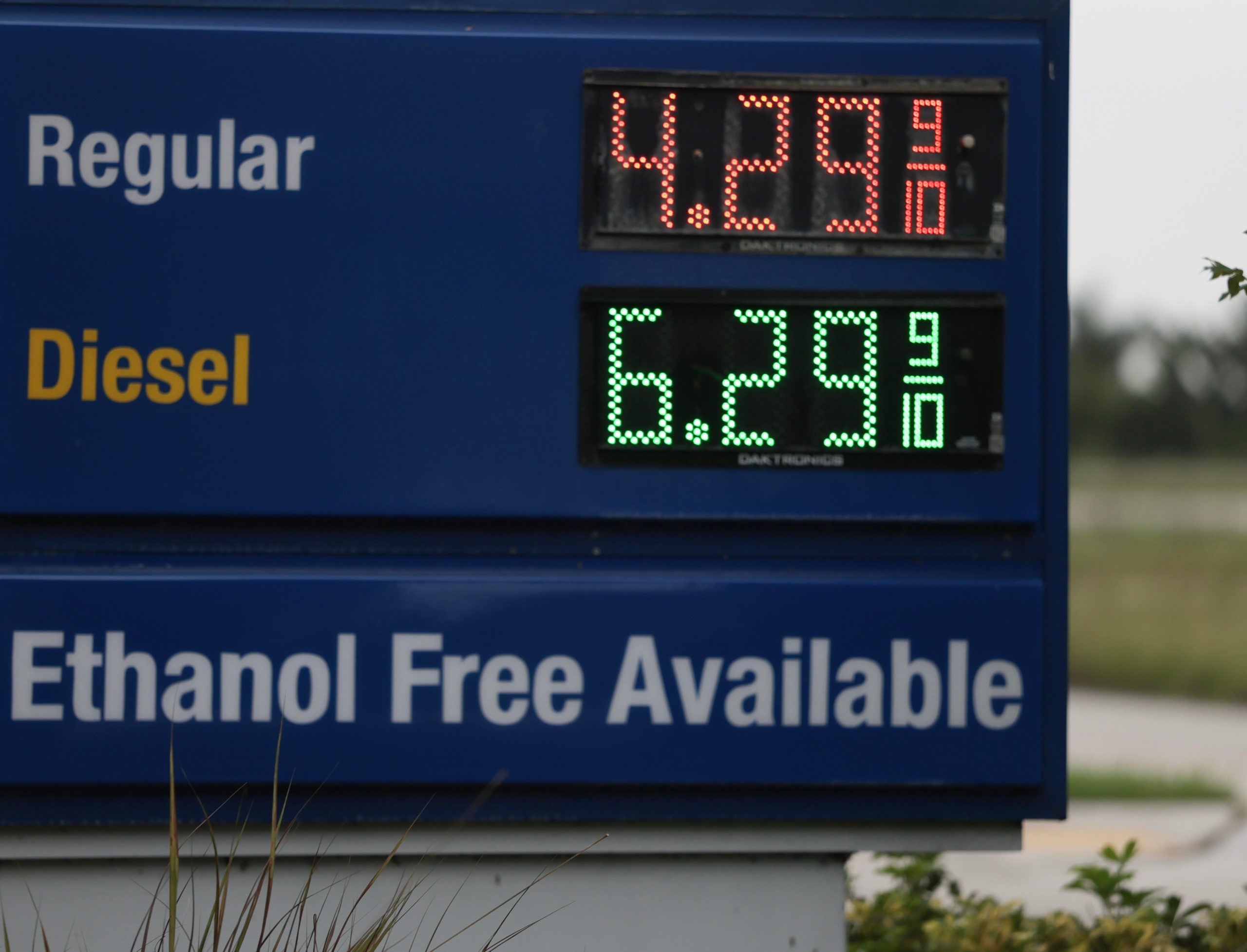
The soaring price of diesel fuel, recently hitting unprecedented highs across the United States, is quietly imposing a significant financial burden on American households. While most consumers don’t directly purchase diesel, the ripple effect of its escalating cost is being felt through inflated prices on everyday goods, effectively acting as a hidden surcharge of potentially hundreds of dollars per year.
As of early September, the national average for a gallon of diesel fuel hovered around a staggering $5.98, a substantial increase of over $2.31 since late February. In some regions, most notably California, the price has climbed even higher, reaching an eye-watering $7.91 per gallon. This marks a historic peak, surpassing previous highs seen in 2022 during the geopolitical turmoil surrounding Russia’s invasion of Ukraine, which then saw diesel prices reach $5.82 per gallon.
The Invisible Engine of the Economy
The impact of these elevated diesel prices extends far beyond the fuel pumps. Diesel is the lifeblood of the American economy, powering the vast network of trucks, trains, and ships that transport nearly everything Americans consume. From the food on grocery store shelves to the building materials for homes, the cost of getting these goods from their origin to their destination is inextricably linked to diesel prices. As fuel costs climb, businesses inevitably pass these increased operational expenses onto consumers, leading to higher prices for a wide array of products.
Industry analysts estimate that the cumulative effect of these price hikes could translate to a “hidden surcharge” of approximately $350 per household annually. This indirect cost, often overlooked in discussions about inflation, represents a tangible financial strain on family budgets, impacting discretionary spending and overall economic well-being.
Geopolitical Tensions and Supply Chain Vulnerabilities
The recent surge in diesel prices is not solely attributable to market fluctuations. Geopolitical events, such as the ongoing conflict in the Middle East and the lingering effects of the war in Ukraine, have significantly disrupted global energy markets. These disruptions create uncertainty and volatility, driving up the cost of essential fuels. Furthermore, the incident involving the US and Israel’s actions in February, as mentioned in the original reporting, likely contributed to the initial price shock.
The reliance on a complex and often fragile global supply chain means that localized or international incidents can have widespread and immediate consequences for energy prices. The vulnerability of this system underscores the need for greater energy security and diversification to mitigate the impact of such external shocks on domestic consumers.
Looking Ahead: Resilience and Economic Impact
As diesel prices continue to fluctuate, the economic ramifications for American households are significant. The increased cost of goods directly affects purchasing power, potentially leading to reduced consumer spending and impacting various sectors of the economy. While short-term relief might depend on global events and market stabilization, the long-term implications highlight the importance of exploring more sustainable and resilient transportation and energy solutions. The current diesel price crisis serves as a stark reminder of the interconnectedness of global affairs and the direct financial consequences they can have on everyday Americans.
Based on materials: Vox



