
The seemingly innocent act of trying to extend the life of a three-year-old iPhone by degrading its battery for a warranty replacement echoes a dark chapter in automotive history. This modern tech dilemma, driven by a desire to delay purchasing the latest model, draws a surprising parallel to the infamous Ford Pinto of the 1970s, offering a stark lesson in planned obsolescence and consumer exploitation.
The Battery Game and the Cost of Progress
For many, the latest smartphone iteration offers incremental upgrades, making the decision to upgrade a costly one. The author’s current “game” of deliberately draining their iPhone battery to qualify for a warranty replacement highlights a common consumer strategy: maximizing the lifespan of existing technology to avoid exorbitant upgrade costs. This tactic, however, is a race against time. As devices age, manufacturers like Apple often cease software support, rendering them obsolete and pushing consumers towards newer, more expensive models. This cycle is exacerbated by global supply chain issues, particularly a memory shortage, which has already driven up gadget prices, as evidenced by Apple’s recent $100 price increase on iPhones.
Echoes of the Pinto: A Deadly Design Flaw
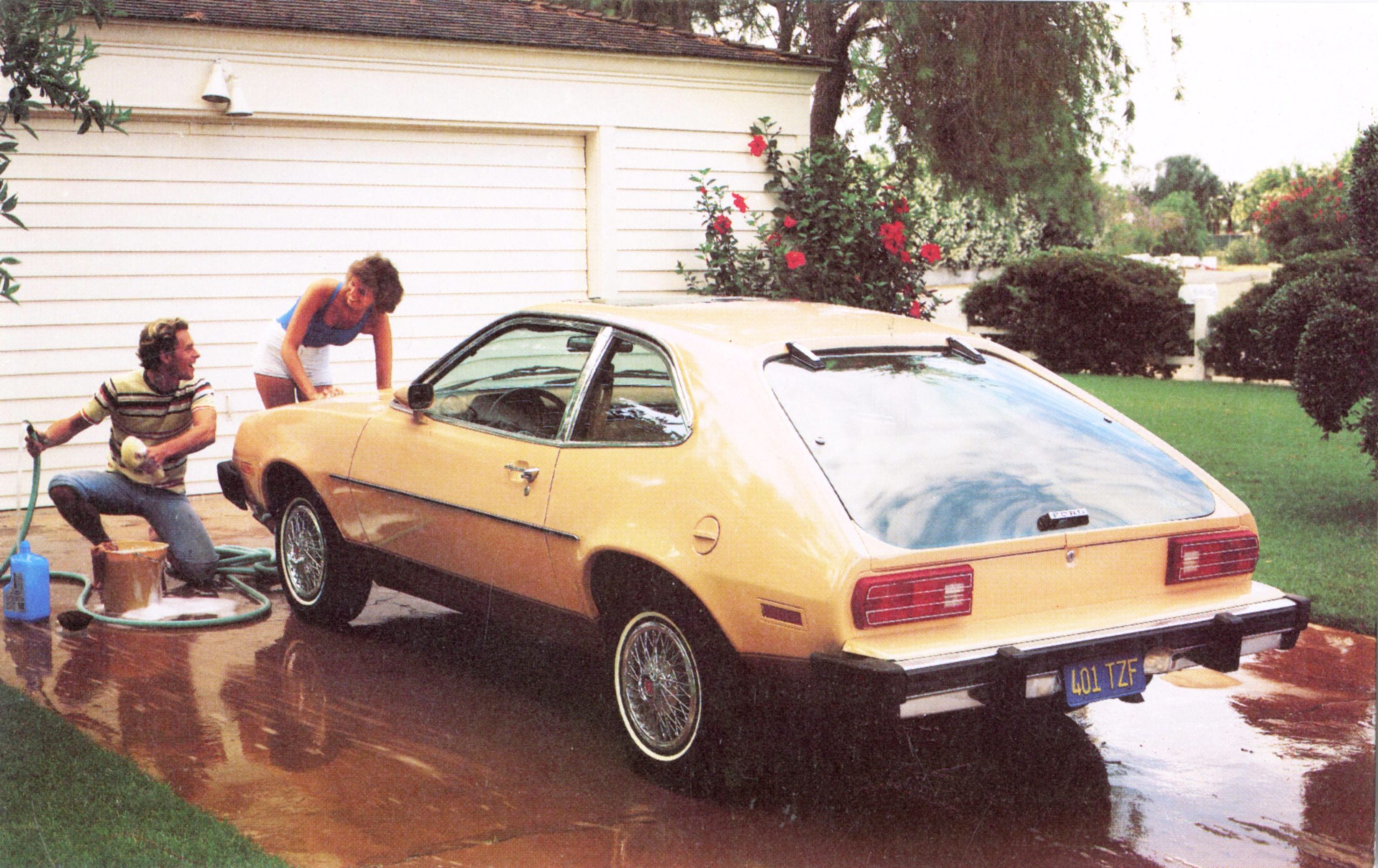
The parallels to the Ford Pinto are unsettling. The Pinto, once lauded for its affordability and compact design, became infamous for a critical safety flaw: its fuel tank was prone to rupture and explosion in rear-end collisions. Internal memos revealed that Ford was aware of the danger and had calculated that paying settlements for potential fatalities would be cheaper than redesigning the fuel system. This chilling calculation exemplifies planned obsolescence not in terms of functionality, but in terms of safety and cost-saving at the expense of human life. While the iPhone’s “obsolescence” is primarily economic and functional, the underlying principle of prioritizing profit over consumer longevity, or in the Pinto’s case, safety, is disturbingly similar.
The Ethical Imperative in a Tech-Driven World
The convergence of these two narratives – the aging iPhone and the tragic Pinto – underscores a critical ethical debate in product design and manufacturing. Planned obsolescence, whether it manifests as a battery that degrades, software that becomes unsupported, or a component that fails prematurely, forces consumers into a perpetual upgrade cycle. This not only burdens individuals financially but also contributes to a growing e-waste problem, with significant environmental consequences. As technology becomes increasingly integrated into our lives, the lessons from the past, particularly the stark warning of the Ford Pinto, should serve as a constant reminder that the pursuit of innovation and profit must be balanced with a commitment to durability, safety, and genuine consumer value. The question remains: will the tech industry learn from history, or will we continue to play the same old games with new devices?
Based on materials: Vox



