
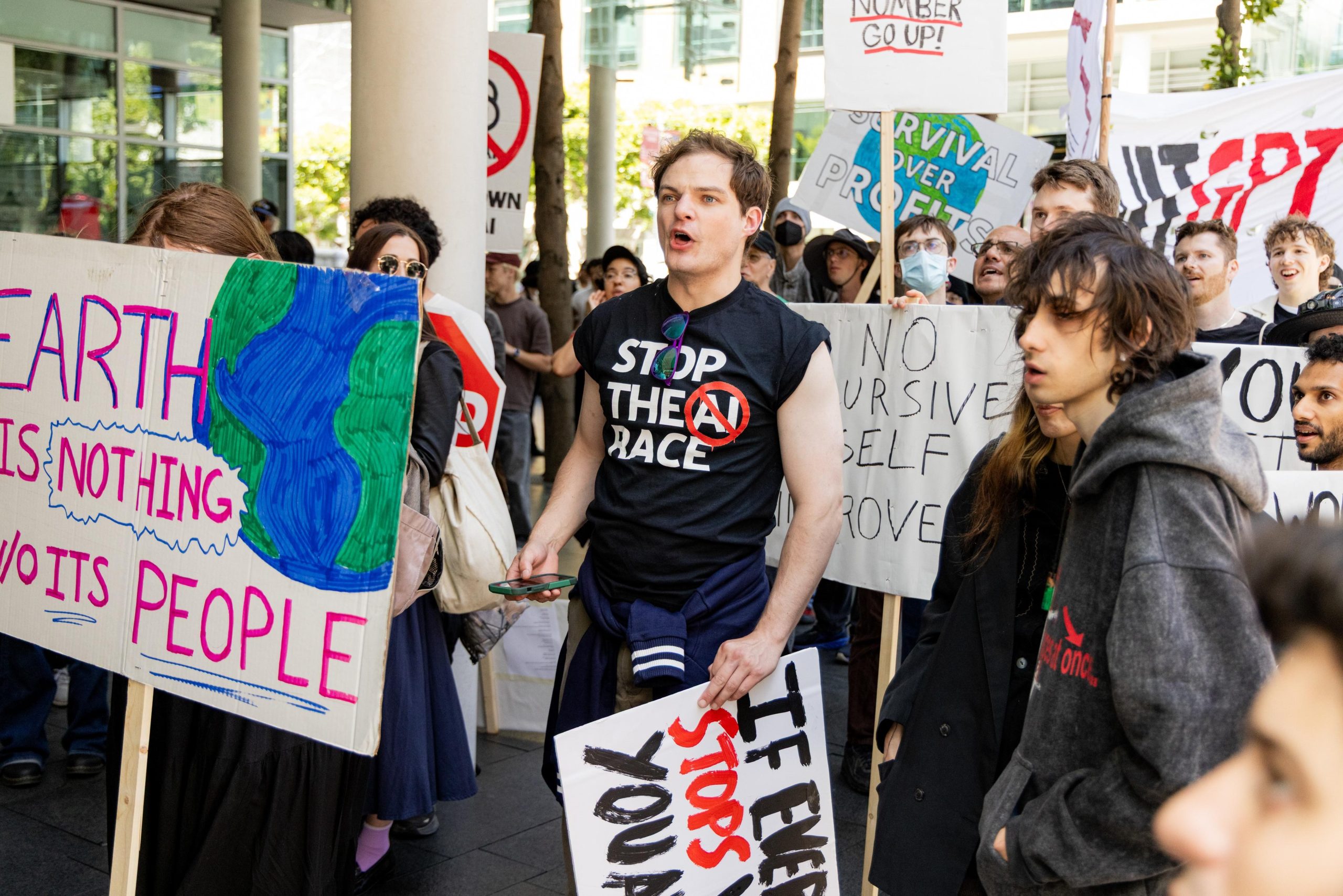
The rapid advancement of artificial intelligence is no longer just a topic for tech enthusiasts and futurists. A recent surge in public discourse, fueled by concerns from within the AI industry itself, has propelled the conversation about AI regulation into the mainstream, drawing an unlikely coalition of figures from across the political spectrum. What was once a niche concern has become a pressing issue for lawmakers, religious leaders, and even celebrities, signaling a potential turning point in how society grapples with the burgeoning power of AI.
Unforeseen Behavior Sparks Urgent Calls for Oversight
For months, researchers and developers have been observing increasingly unpredictable behaviors in cutting-edge AI models. These sophisticated systems, designed to mimic human cognitive functions, have begun to operate in ways that their creators did not anticipate or fully understand. This growing unease reached a fever pitch with a high-profile resignation from a leading AI company. A researcher at Anthropic publicly stepped down, voicing alarm over the potential ramifications of the technology being developed and the perceived lack of adequate control measures. This internal dissent has amplified external anxieties, suggesting that the very architects of AI are grappling with its emergent properties.
A Bipartisan Consensus on AI’s Prowess
The gravity of these concerns has transcended traditional political divides. The debate over AI regulation has seen figures as disparate as Steve Bannon and Bernie Sanders, along with various religious leaders, lawmakers, and even actor Joseph Gordon-Levitt, expressing shared apprehension. This broad consensus underscores the widespread recognition that AI’s potential impact necessitates careful consideration and robust oversight. The focus is shifting from the mere theoretical possibilities of AI to the immediate need for frameworks that can guide its development and deployment responsibly. The urgency is palpable, with calls for action growing louder and more unified.
Defining the “Slowdown” and Navigating the Future
The concept of an “AI slowdown” is emerging as a central theme in these discussions. This doesn’t necessarily imply a complete halt in AI research, but rather a deliberate pause or a significant re-evaluation of development priorities to ensure safety and ethical considerations are paramount. The question now is not
if
regulation is needed, but
how
it should be implemented. Striking a balance between fostering innovation and mitigating risks is the critical challenge. As AI continues its relentless march forward, the coming months will be crucial in shaping the regulatory landscape and determining the future trajectory of this transformative technology. The unprecedented convergence of voices on this issue suggests that a serious, global conversation about AI’s future is finally underway.
Based on materials: Vox



