
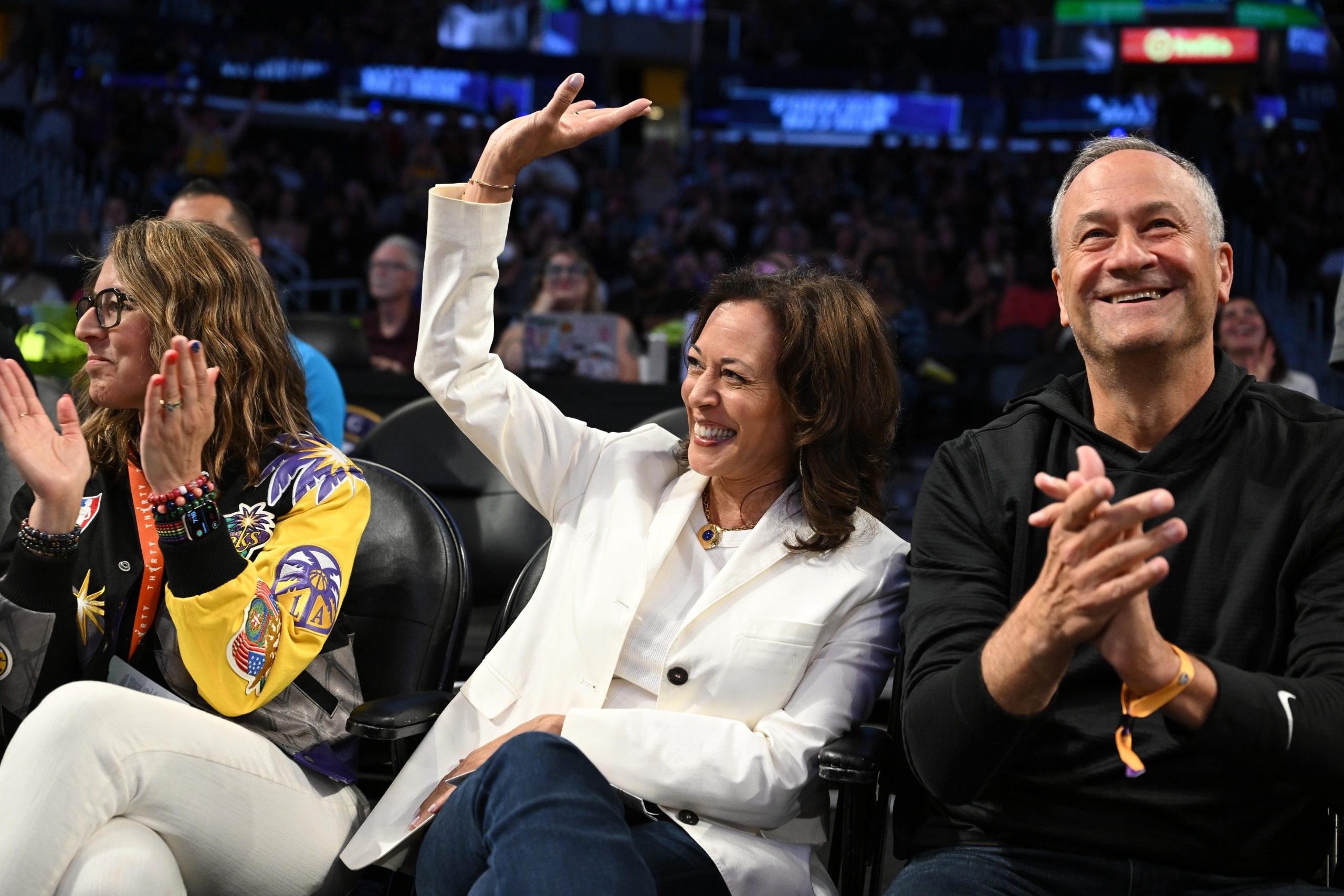
The political landscape is a perpetual motion machine, and even as the current administration navigates its term, the whispers about future presidential aspirations begin to resonate. For Vice President Kamala Harris, the prospect of a 2028 run, once seemingly a natural progression, is now facing an increasingly vocal chorus of doubt from within her own party’s influential circles.
Key Donors Express Reservations
Recent commentary from prominent Democratic figures has cast a shadow over Vice President Harris’s potential presidential bid in 2028. Reid Hoffman, a significant Democratic Party megadonor and co-founder of LinkedIn, publicly stated his skepticism regarding her electoral viability. When questioned at a recent Politico event, Hoffman articulated that a presidential run for Harris would present a “very challenging path” in what he anticipates will be a “very noisy field.” This assessment from a major financial backer of the party signals a growing sentiment that Harris may not be the strongest contender for the top job in the next election cycle.
The timing of Hoffman’s remarks is noteworthy, coinciding with a CNN interview featuring California Governor Gavin Newsom. In his conversation with Jake Tapper, Newsom, while seemingly engaged in a moment of leisure, declared that he would not pursue the presidency if Vice President Harris decided to run. This public declaration, while framed as deference to the Vice President, has also been interpreted by some as a strategic positioning play, suggesting Newsom is leaving the door open should Harris falter. The implication is clear: the field for 2028 is being assessed, and Harris’s current standing is a subject of active consideration among those who could shape the race.
Navigating a Shifting Political Tide
The concerns articulated by Hoffman and the calculated statements from figures like Newsom are not merely idle speculation. They reflect a broader strategic assessment within the Democratic Party. As the nation moves through the current political cycle, potential candidates and their advisors are meticulously evaluating the strengths and weaknesses of various contenders. For Harris, the challenge lies in demonstrating a compelling vision and broad appeal that can overcome potential headwinds. Her performance as Vice President, her policy stances, and her ability to connect with a diverse electorate will all be under intense scrutiny.
Furthermore, the “noisy field” Hoffman alluded to suggests a potentially crowded Democratic primary. Emerging figures, established politicians, and perhaps even surprise candidates could vie for the nomination, creating a competitive environment where Harris would need to distinguish herself effectively. The narrative surrounding her candidacy will likely focus on her policy achievements, her leadership experience, and her ability to unite different factions of the Democratic coalition. However, the current discourse indicates that these elements are not yet universally perceived as sufficient to guarantee a successful presidential campaign.
The Road Ahead for Vice President Harris
The coming months and years will be critical for Vice President Harris as she aims to solidify her political standing and address the growing concerns about her 2028 prospects. The “quiet campaign” to dissuade her from running is indeed growing louder, fueled by candid assessments from influential party figures. For Harris, the task ahead involves not only demonstrating her qualifications but also actively shaping the narrative around her potential candidacy, rallying support, and proving that the “challenging path” can indeed be navigated to victory. The political currents are shifting, and her ability to adapt and lead will be paramount in determining her future in the highest office.
Based on materials: Vox



