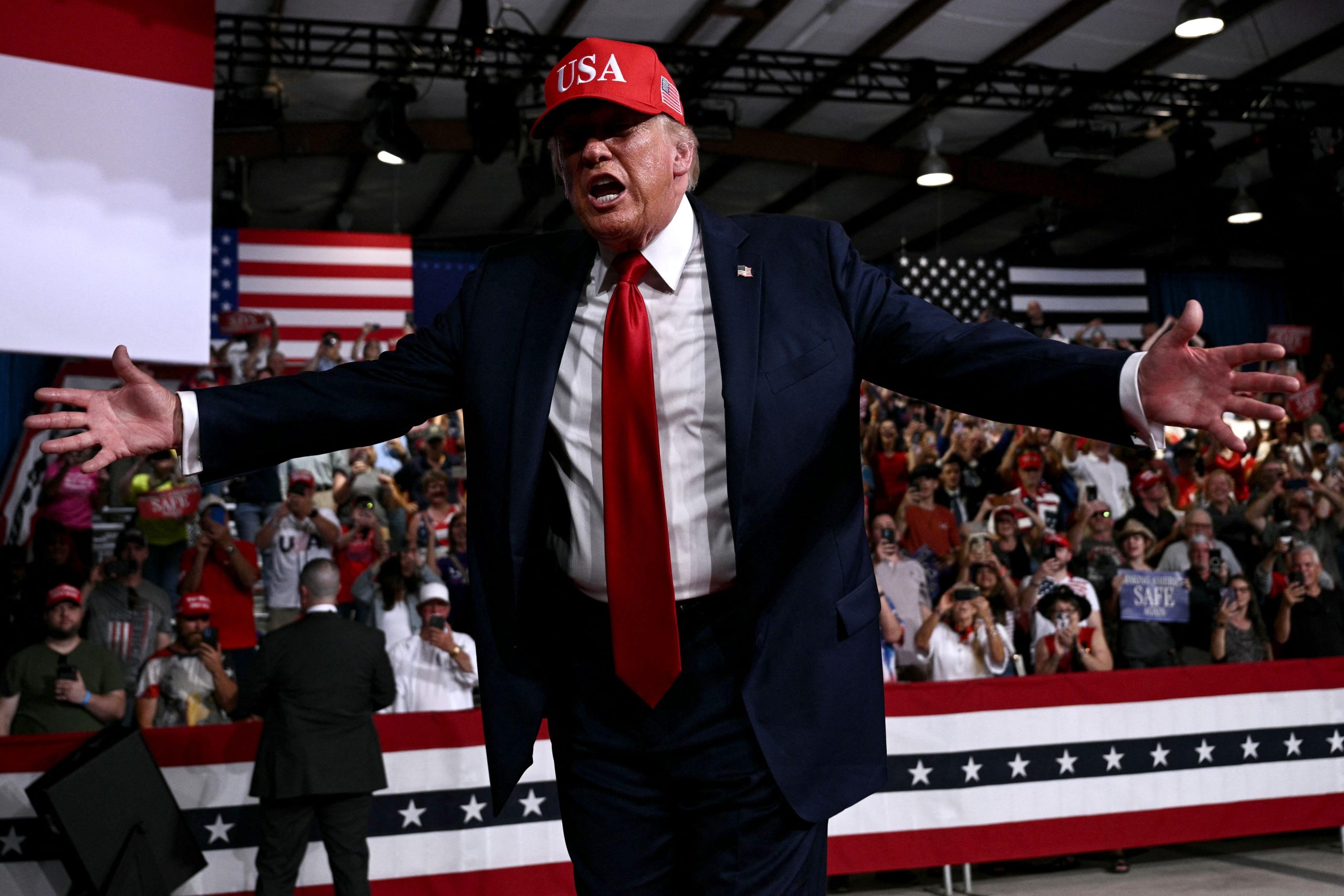
As the midterm elections rapidly approach, President Donald Trump is taking center stage, actively campaigning and encouraging voters to view his influence as tantamount to his presence on the ballot. This strategy was on full display during his recent rally in Gastonia, North Carolina, marking his first significant post-primary campaign event of the 2026 cycle.
A Familiar Campaign Trail Strategy
President Trump’s directive to North Carolina voters – “pretend I’m on the ticket, because essentially I am” – underscores a deliberate and recurring theme in his political playbook. While not a formal candidate himself in these midterm races, Trump is clearly positioning himself as the ultimate arbiter of Republican success or failure. This approach aims to harness his fervent base and translate that energy into support for GOP candidates, effectively making each race a referendum on his presidency and his political future. The rally, held just under 50 days before the crucial elections, highlighted Trump’s continued dominance within the party and his role as a key motivator for his supporters.
Key Midterm Contests and Trump’s Involvement
The North Carolina event, held near Charlotte, focused attention on a key US Senate race where Republican Michael Whatley is set to challenge former North Carolina Governor Roy Cooper for an open seat. By appearing at this rally and delivering his signature message, Trump is not only endorsing Whatley but also attempting to imbue the race with his personal brand of politics. This tactic is not unique to North Carolina; similar appeals have been made in other swing states and districts where Republican candidates are seeking to leverage Trump’s popularity. The success of this strategy, however, remains a subject of ongoing debate, as it can energize loyal voters but also potentially alienate more moderate or independent voters.
Analysis: The President as a De Facto Candidate
President Trump’s pronouncements and active campaigning in midterm elections represent a significant shift in traditional political dynamics. Instead of solely focusing on individual candidates and their platforms, these elections are increasingly framed as direct affirmations or rejections of Trump himself. This strategy can be a double-edged sword. For candidates who align closely with Trump, his endorsement and campaigning can provide a substantial boost in enthusiasm and turnout. However, for candidates in more competitive districts or those seeking to appeal to a broader electorate, the overt association with Trump could prove to be a liability, particularly if public sentiment towards the President is mixed or negative. The coming weeks will reveal whether Trump’s “shadow candidacy” can translate into tangible electoral victories for the Republican party.
CONCLUSION:
President Trump’s energetic return to the campaign trail for the midterm elections, particularly his insistence that voters treat him as if he were on the ballot, signals a strategic effort to consolidate his influence. By making himself the central figure in these races, he aims to mobilize his base and define the narrative of the election. The effectiveness of this high-stakes strategy, however, will ultimately be determined by the voters when they cast their ballots.
Based on materials: Vox