
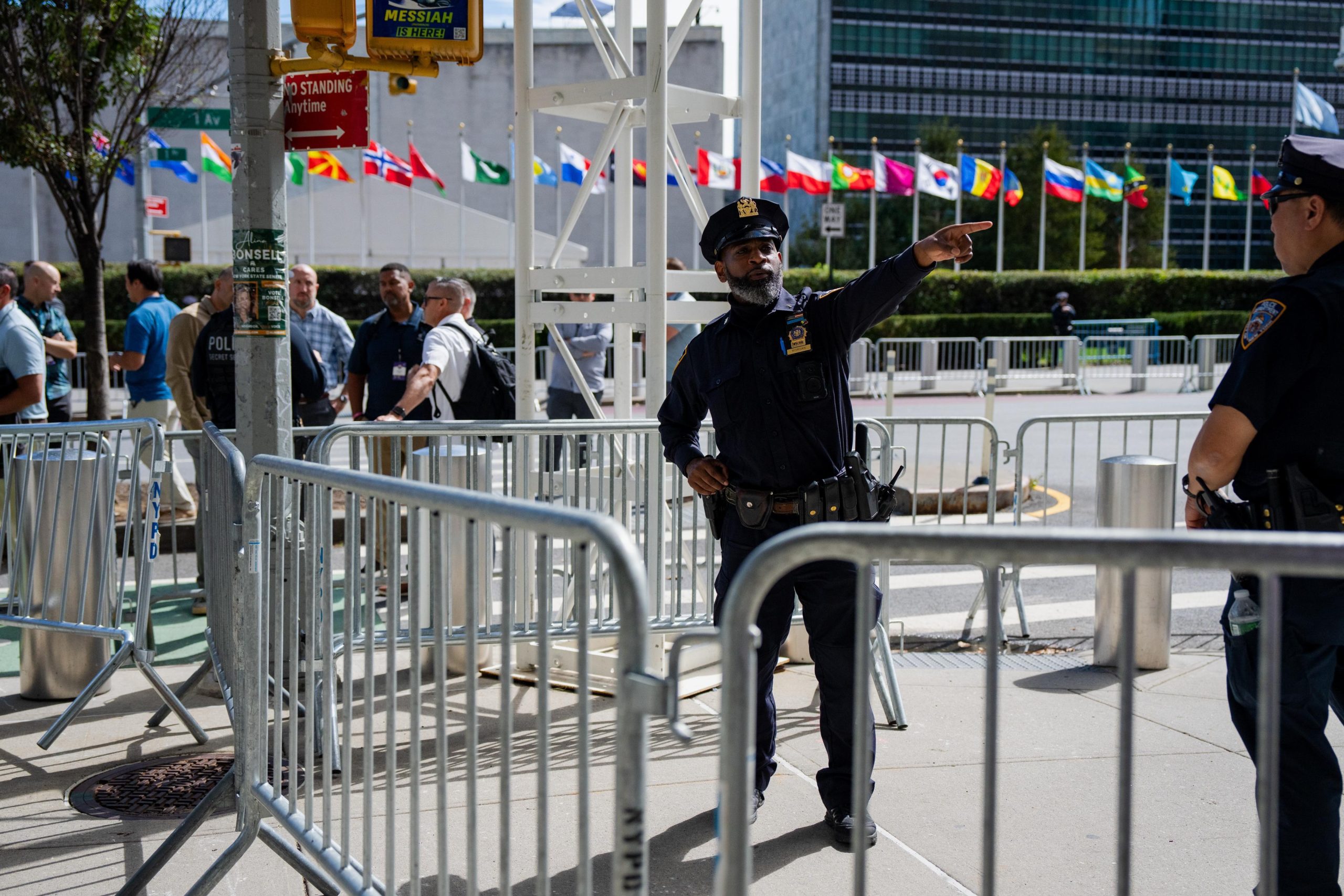
As the United Nations convenes its annual General Assembly in Manhattan, a familiar question echoes through the halls of power and across global headlines: “What is the purpose of the United Nations?” This perennial query gains particular urgency this year, as the world grapples with a volatile geopolitical landscape marked by escalating conflicts, the rapid advancement of artificial intelligence, and the ever-present threat of climate change. The gathering, which brings together leaders from approximately 130 nations, serves as a critical, albeit often contentious, platform for dialogue and diplomacy.
This year’s assembly sees the return of prominent figures like Ukrainian President Volodymyr Zelenskyy, Iranian President Masoud Pezeshkian, and Israeli Prime Minister Benjamin Netanyahu, underscoring the immediate crises demanding international attention. Their presence, alongside anticipated speeches from figures like former U.S. President Donald Trump, highlights the UN’s enduring role as a stage for global leaders to articulate their positions and seek common ground. However, the very act of posing the UN’s fundamental purpose, as was notably done by Trump last year, reveals a deeper skepticism about its efficacy in a multipolar world.
Navigating a Complex Geopolitical Chessboard
The United Nations was established in the aftermath of World War II with the ambitious goal of preventing future global conflicts and fostering international cooperation. Yet, the current geopolitical climate presents a formidable challenge to this mission. The wars in Ukraine and Gaza, alongside tensions in Iran, have exposed the limitations of the UN’s peacekeeping and conflict resolution mechanisms. The Security Council, intended as the primary body for maintaining international peace and security, frequently finds itself paralyzed by the veto power of its permanent members, hindering decisive action. This deadlock often leads to frustration among member states and raises questions about the UN’s ability to enforce its resolutions or effectively mediate disputes.
Furthermore, the rise of new global powers and shifting alliances has complicated the traditional diplomatic order. Nations are increasingly pursuing their own interests, sometimes at the expense of collective action. This fragmentation of global leadership can undermine the very principles of multilateralism that the UN champions. As leaders gather, the tension between national sovereignty and the need for global governance will undoubtedly be a central theme, with debates likely to revolve around reform proposals aimed at making the UN more representative and responsive to the realities of the 21st century.
Emerging Challenges and the UN’s Evolving Role
Beyond traditional security concerns, the UN faces a new set of complex challenges that demand a unified global response. The rapid development of Artificial Intelligence, for instance, presents both immense opportunities and profound ethical and security risks. Discussions at the General Assembly are expected to touch upon the need for international frameworks to govern AI development and deployment, ensuring it benefits humanity rather than exacerbates existing inequalities or creates new threats. Similarly, the existential threat of climate change requires unprecedented international cooperation, yet progress on binding agreements and tangible action often falters.
The UN’s role in addressing these multifaceted issues is constantly being redefined. While its foundational mission of fostering peace and security remains paramount, its agenda has necessarily expanded to encompass a wider range of global challenges. The effectiveness of the UN in this evolving landscape hinges on its ability to adapt, to find consensus among diverse interests, and to translate diplomatic discussions into concrete actions. The annual General Assembly, despite its critics, remains a vital forum for this crucial, ongoing dialogue. Whether it can truly fulfill its promise in an increasingly fractured world remains the ultimate test.
Based on materials: Vox



