
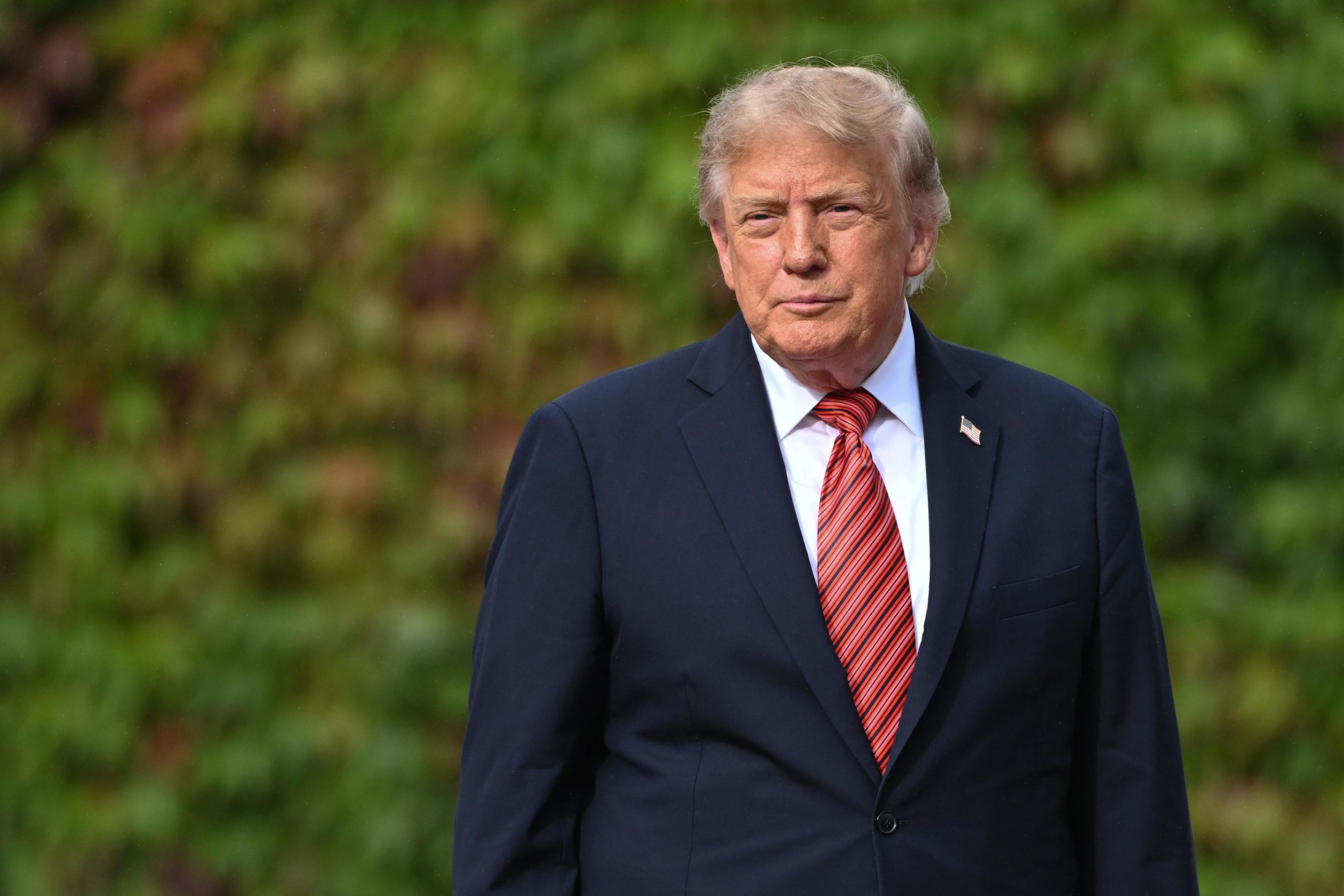
As the midterm elections loom less than six weeks away, a noticeable shift is occurring within the Republican Party. A growing number of GOP candidates are beginning to distance themselves from President Donald Trump, a move prompted by his declining approval ratings and the strategic imperative to secure their own electoral futures. This marks a significant, albeit potentially late, pivot for a party that has largely adhered to a decade of Trump’s demand for unwavering loyalty.
Cautious Departures Amidst Shifting Tides
For years, President Trump has wielded his considerable influence to enforce party discipline, often targeting Republicans who dared to diverge from his agenda or offer criticism. His “bully pulpit” was a powerful tool for launching scathing personal attacks, effectively discouraging dissent. However, the approaching midterms appear to be forcing a recalculation. While these efforts to create distance are still described as cautious and limited, they are becoming increasingly prevalent. This trend isn’t confined to districts considered safely Democratic; even in states and regions where Trump secured decisive victories, Republican contenders are now actively seeking to highlight their independence from the president.
This strategic recalibration suggests an acknowledgment among some Republicans that the president’s direct association may no longer be the electoral asset it once was. Instead, it could be perceived as a liability, particularly in a political climate where voter sentiment is fluid and independent decision-making is becoming more critical for campaign success. The candidates are not necessarily abandoning Trump’s policies wholesale, but rather attempting to craft a distinct public image that resonates with a broader spectrum of voters, including those who may be disaffected by the current political climate or the president’s personal style.
The Calculus of Survival
The underlying motivation behind this burgeoning trend is undoubtedly electoral survival. With the president’s approval ratings at a low point, candidates are facing the stark reality that an uncritical embrace of Trump could jeopardize their chances of reelection. The decision to create even a sliver of separation is a calculated risk, balancing the potential backlash from the president’s most ardent supporters against the perceived necessity of appealing to a wider electorate. Political strategists within the party are likely advising candidates to focus on local issues, policy achievements, and a more generalized conservative platform, while downplaying direct endorsements or defenses of the president.
The effectiveness of this strategy remains to be seen. It is a delicate balancing act, as Trump is known to retaliate against those who cross him. However, the sheer number of candidates now attempting this maneuver indicates a collective recognition that the political landscape has shifted. The coming weeks will reveal whether these belated attempts to establish independence will be sufficient to weather the electoral storm or if the deep-seated loyalty fostered over the past decade will prove to be an insurmountable hurdle. The midterm elections will ultimately serve as the ultimate arbiter of whether this strategic divergence is a successful gambit or a case of too little, too late.
Based on materials: Vox



