
While a significant majority of Americans express apprehension about the pervasive reach of artificial intelligence, a notable exception emerges when the discussion turns to its role in scientific research and medicine. This growing optimism, fueled by tangible advancements, suggests a potential paradigm shift in how we approach healthcare, moving from a landscape of fear to one of promising innovation.
AI’s Evolving Role in Healthcare
The sentiment surrounding AI is complex, with a recent NBC News/Decision Desk poll revealing that 70 percent of adults harbor more worry than excitement about the technology. This broad societal unease, however, seems to dissipate when the focus narrows to the life-saving potential of AI in medical and scientific arenas. Dr. Dhruv Khullar, a practicing physician at Weill Cornell Medicine and a keen observer of medical innovation, asserts that this optimism is not misplaced. Dr. Khullar, who integrates AI tools into his own clinical practice, observes a generally positive outlook on AI’s future impact on healthcare. This isn’t a sudden revelation; AI has been steadily making inroads into medicine for some time. Evidence of its growing significance can be seen in the recognition of its contributions to scientific discovery, as highlighted by the Nobel Prize in Chemistry awarded in 2024 to researchers whose work has foundational implications for AI-driven advancements.
Beyond the Hype: Tangible Applications
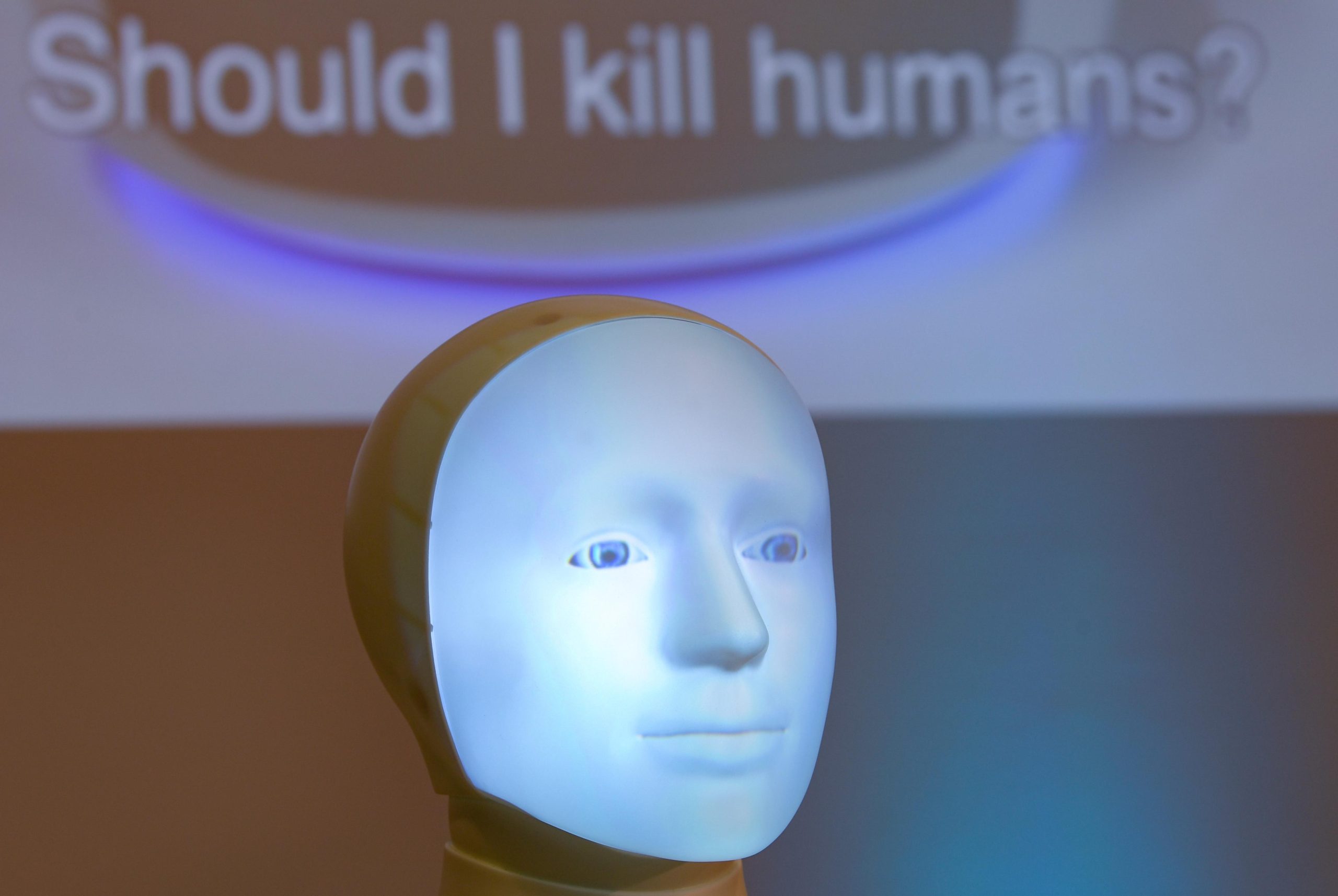
The current wave of AI in medicine extends far beyond theoretical possibilities. Researchers and clinicians are leveraging AI for a multitude of critical tasks, from accelerating drug discovery and development to enhancing diagnostic accuracy. Machine learning algorithms are proving adept at sifting through vast datasets of patient information, identifying subtle patterns that human eyes might miss, thereby leading to earlier and more precise diagnoses. In oncology, for example, AI is being used to analyze medical images for signs of cancer with remarkable speed and precision, potentially improving patient outcomes. Furthermore, AI is playing a crucial role in personalizing treatment plans. By analyzing a patient’s genetic makeup, lifestyle factors, and medical history, AI can help physicians tailor therapies for maximum effectiveness and minimal side effects, ushering in an era of truly individualized medicine. The “Moral Choice Machine,” a robot named Alfie that projects questions like “Should I kill humans?” onto a wall, while perhaps designed to provoke thought about AI’s ethical considerations, also underscores the complex dialogues occurring as AI becomes more integrated into critical decision-making processes, even if in a research context.
The Path Forward: Balancing Innovation and Ethics
As AI continues its rapid integration into healthcare, the conversation must evolve to encompass both its immense potential and the ethical considerations it raises. While the prospect of AI saving lives is increasingly becoming a reality, it is crucial to ensure that these powerful tools are developed and deployed responsibly. This involves rigorous testing, transparent algorithms, and robust regulatory frameworks to safeguard patient privacy and prevent unintended consequences. The journey from widespread AI anxiety to widespread AI acceptance in medicine is contingent upon demonstrating its reliability, safety, and its unwavering commitment to human well-being. The ongoing advancements suggest that AI is not just a future possibility in healthcare; it is a present reality that holds the key to unlocking unprecedented improvements in diagnosis, treatment, and ultimately, the preservation of human life.
Based on materials: Vox



