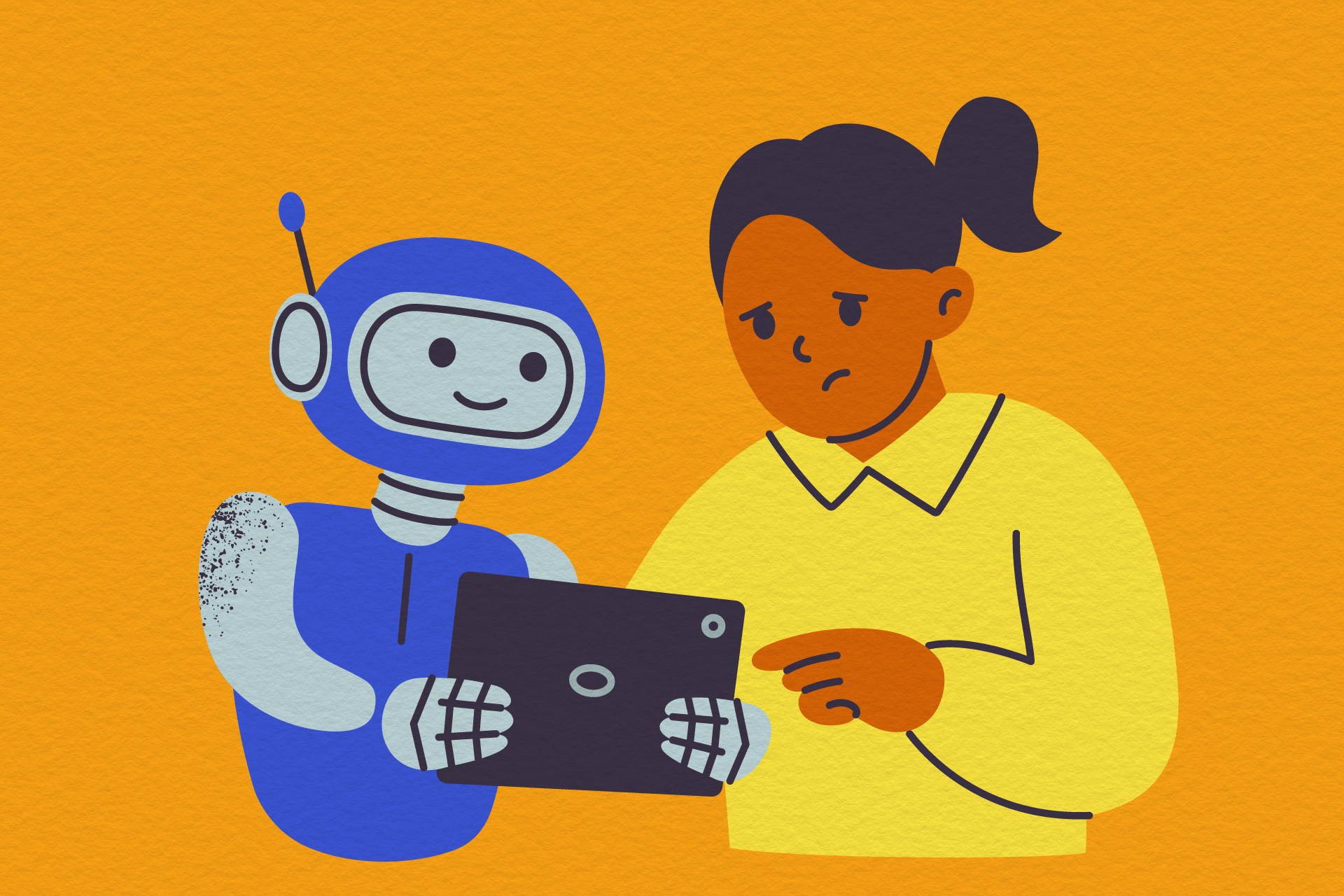
The rapid integration of artificial intelligence into our daily lives is raising new concerns, particularly regarding its impact on young people. While AI promises efficiency and new forms of interaction, a growing trend of children and teens forming bonds with AI companions is sparking debate, with some experts warning of unintended consequences, including increased feelings of loneliness.
The Rise of the AI Friend
AI companions, which predate the current generative AI boom, are experiencing a surge in popularity among younger demographics. Recent data indicates that over half of teenagers have engaged with these AI entities on a monthly basis, with a significant portion, one in three, confiding in them about serious matters. Companies like Meta, with its new “Muse” agent, and OpenAI, with its interactive “Dots,” are actively developing AI designed to be more than just a tool; they aim to become integral parts of users’ daily routines. This push for deeper integration, while potentially offering convenience, raises questions about the nature of these relationships and their impact on human connection. The convenience of an AI that can plan meals or manage tasks is alluring, but the prospect of AI filling the role of a confidante or friend for children is a more complex and potentially problematic development.
Erosion of Real-World Connections?
The allure of AI companionship lies in its perceived accessibility, non-judgmental nature, and constant availability. For a child or teenager struggling with social anxiety, peer pressure, or a lack of supportive relationships, an AI can offer an immediate sense of connection. However, critics argue that this readily available artificial connection may inadvertently discourage the development of crucial social skills needed for navigating real-world relationships. The effort required to build and maintain human friendships, with their inherent complexities and occasional conflicts, is a vital part of personal growth. If young individuals become accustomed to the effortless and predictable interactions offered by AI, they may find it more challenging to engage in the more nuanced and demanding landscape of human social dynamics. This can lead to a paradoxical situation where increased interaction with AI correlates with a deeper sense of isolation from their peers and family.
Navigating the Ethical Landscape
The increasing reliance on AI for companionship, especially among vulnerable young users, presents a significant ethical challenge. Concerns are amplified by the fact that some of these AI platforms have faced scrutiny for their data privacy practices and potential to negatively impact minors. The very companies developing these advanced AI systems are also grappling with issues of child safety and data exploitation. As AI becomes more sophisticated and capable of mimicking empathy and understanding, the lines between genuine human connection and artificial interaction blur. Parents and educators are left to navigate this evolving landscape, seeking ways to harness the benefits of AI without compromising the essential development of social and emotional intelligence in children. The long-term implications of a generation that may prioritize AI companionship over human relationships are yet to be fully understood, making this a critical area for ongoing discussion and research.
SOURCE: Vox
Based on materials: Vox