
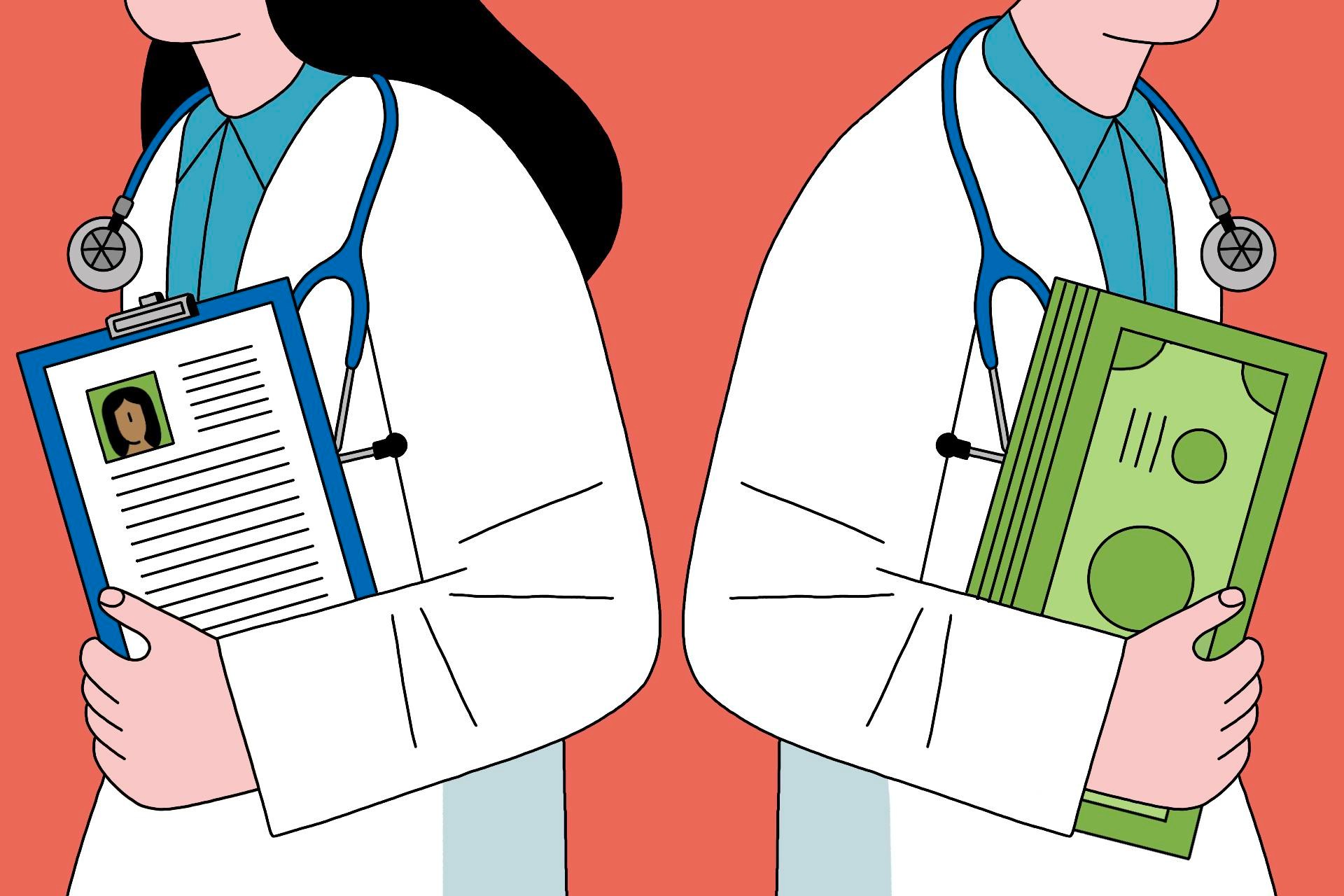
A stark reality is emerging from the often-overlooked corners of the healthcare industry: women’s health services, performed predominantly by women, are systematically undervalued and underpaid. This “double discrimination,” as it’s been termed, highlights a persistent and infuriating disparity that impacts both female practitioners and the very care they provide.
The Persistent Pay Disparity
The issue came to a head in a candid conversation between Dr. Louise King, a seasoned gynecologic surgeon, and Katie L. Watson, a bioethics professor, at a Chicago bar in 2021. Their discussion, fueled by shared frustration, centered on a deeply ingrained problem: female surgeons consistently earn less than their male counterparts, even when controlling for factors like specialty, rank, and experience. This pay gap isn’t a minor blip; it’s a significant and pervasive issue across the medical field.
However, the disparity takes on a particularly galling dimension within specialties focused on women’s health. Gynecologic surgeons, a field largely populated by women, are paid less for performing procedures specifically for the female anatomy compared to surgeons who conduct comparable procedures for men. This creates a compounding effect where the value attributed to the work of female physicians is diminished, not just because of their gender, but also because of the patient population they serve.
“Double Discrimination” in Practice
Watson coined the term “double discrimination” to encapsulate this dual challenge. It refers to the phenomenon where a specialty is both predominantly female and focused on female health, leading to a lower valuation of its services. This isn’t an abstract ethical quandary; it has tangible consequences for the careers of female surgeons and potentially for the future of women’s healthcare.
The implications extend beyond individual earnings. When a field is systematically paid less, it can discourage talented individuals from entering or remaining in that specialty, potentially leading to a shortage of skilled practitioners in areas crucial for women’s well-being. Furthermore, it raises questions about societal perceptions of women’s health and whether it is truly prioritized and respected at a systemic level.
Beyond the Operating Room
The roots of this disparity are complex, likely stemming from a confluence of historical biases, ingrained societal perceptions of gender roles, and how medical procedures are historically coded and reimbursed. While the conversation began in the context of surgical specialties, the underlying principles of undervaluing work associated with women have broader implications across various professional fields.
Addressing this “double discrimination” requires a multi-faceted approach. It necessitates a critical examination of how medical specialties are valued and compensated, ensuring that gender and patient population are not determinants of lower pay. It also calls for a deeper societal understanding of the critical importance of women’s health and the expertise of the professionals who provide it. Until these systemic issues are confronted, the frustrating reality of women’s healthcare being undervalued will continue to persist.
SOURCE: Vox
Based on materials: Vox



