
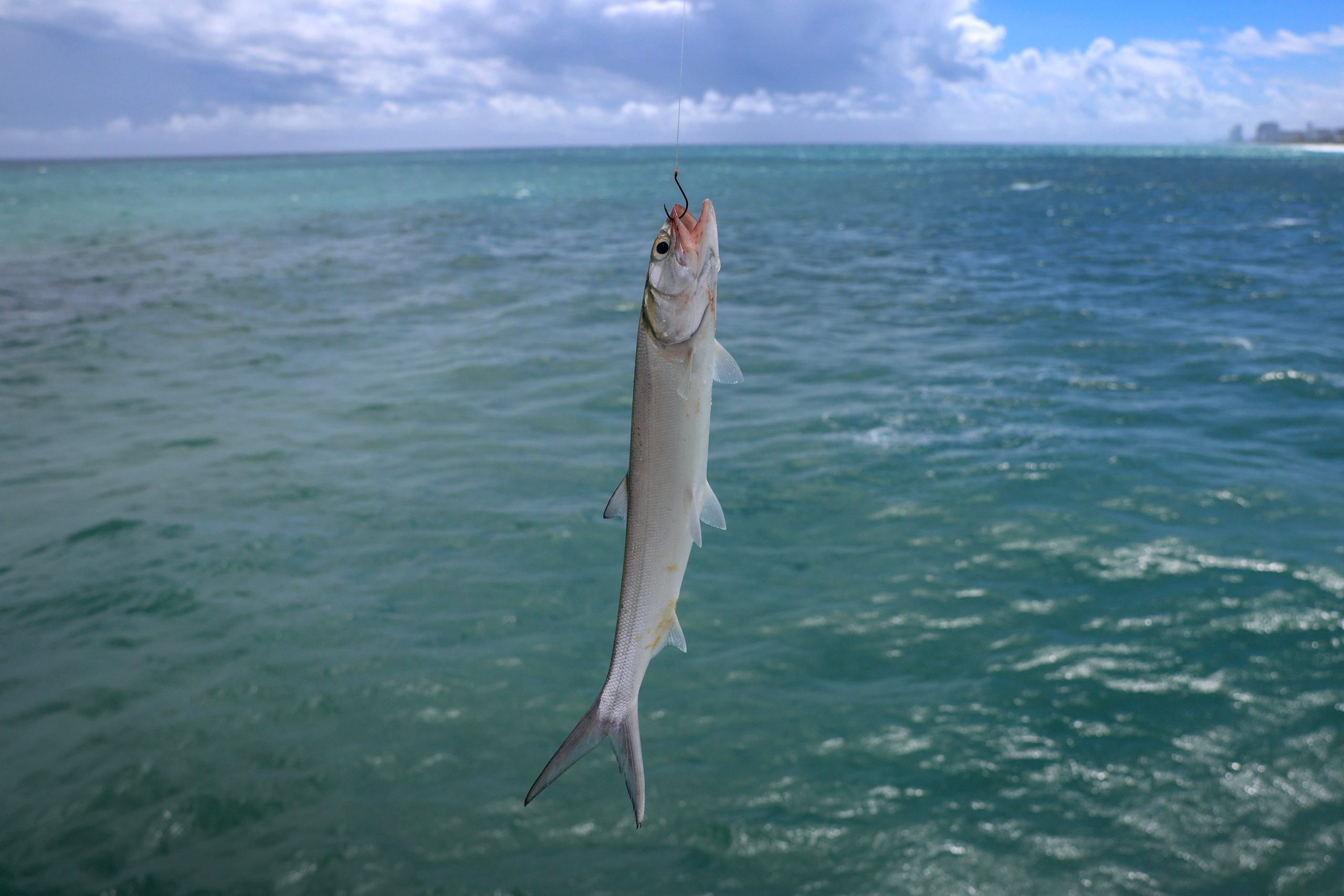
For many, fishing represents a tranquil escape, a cherished connection to nature, and a nostalgic nod to childhood memories. Yet, as our understanding of animal sentience deepens, a growing ethical debate is casting a shadow over this beloved American pastime. What was once seen as harmless recreation is now being scrutinized for its potential impact on the very creatures it engages with.
The Evolving Perception of Fish Pain
The traditional view often painted fish as simple organisms, incapable of experiencing pain or distress. This perception allowed for practices like catch-and-release fishing to remain largely unquestioned. However, scientific research is increasingly challenging this anthropocentric viewpoint. Studies suggest that fish possess complex nervous systems and exhibit behaviors indicative of pain, fear, and stress when hooked, handled, and released. This evolving scientific understanding forces a re-evaluation of recreational fishing, prompting questions about the morality of inflicting potential suffering for sport or leisure.
A Personal Reckoning with Pastimes
The author’s own childhood fishing excursions, once recalled with fondness for their family bonding and nature immersion, are now viewed through a different lens. The act of hooking fish, even with the intention of release, is now recognized as a potentially injurious experience. This personal reflection mirrors a broader societal shift where activities previously taken for granted are being examined for their ethical implications. Renowned nature writer and angler Ted Kerasote, for example, recounts a pivotal moment of questioning after a challenging salmon catch, leading him to significantly alter his approach to angling. While he continues to fish for sustenance, the days of casual catch-and-release are behind him, highlighting a growing discomfort with the potential harm inflicted.
The Broader Implications for Conservation and Ethics
This re-examination of fishing extends beyond individual conscience to impact broader discussions on animal welfare and conservation. If fish are capable of suffering, then the ethical framework surrounding their interaction with humans must expand. This doesn’t necessarily mean an outright condemnation of all fishing, but rather a call for more mindful practices, greater consideration for fish welfare, and potentially, a redefinition of what constitutes “sport.” As society grapples with the ethical complexities of our relationship with the natural world, activities like fishing are at the forefront of a crucial conversation about our responsibilities to all living beings. The seemingly simple act of casting a line now carries a weight of ethical consideration, urging a deeper reflection on the true cost of our recreational pursuits.
Based on materials: Vox



