Voters in Washington D.C. and Denver will soon face a significant decision that could impact culinary landscapes and animal welfare debates: whether to allow the sale of foie gras within their city limits. In November, ballots will be cast on this controversial delicacy, French for “fatty liver,” which has sparked passionate advocacy on both sides of the issue for decades.
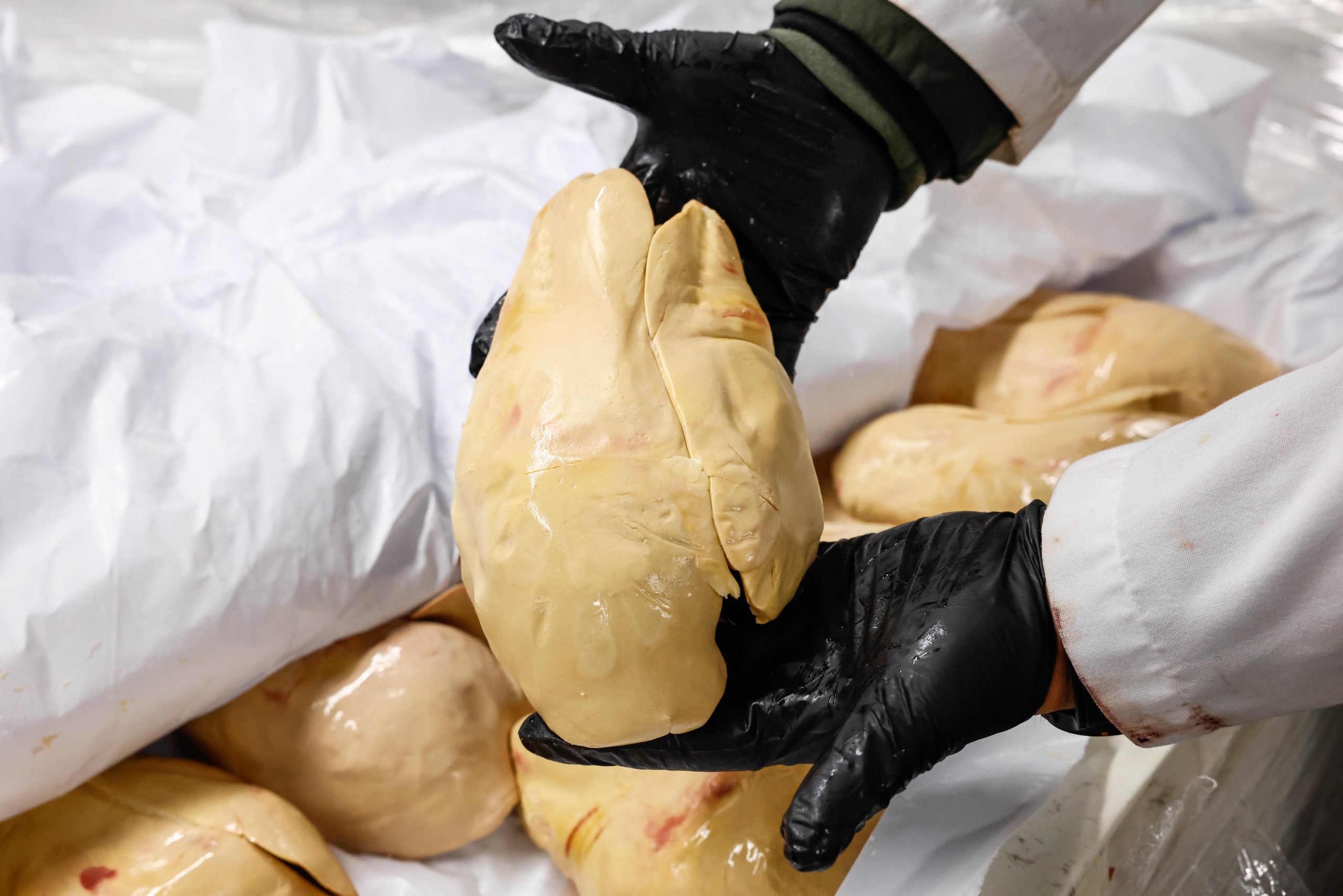
At the heart of the debate lies the production method of foie gras. The liver of ducks is enlarged through a process of brief, intensive force-feeding, typically using a corn slurry delivered via a metal tube multiple times a day for the final two to three weeks of the birds’ lives. This practice can result in livers that are six to ten times their natural size, imbuing the product with the rich, buttery texture that has made it a sought-after ingredient in haute cuisine for centuries. While celebrated by gourmands and chefs, particularly in Europe, Asia, and upscale American establishments, the practice has drawn sharp criticism from animal rights organizations.
A Clash of Culinary Tradition and Animal Welfare
The impending votes in D.C. and Denver are not isolated incidents but represent a continuation of a long-standing movement to restrict or ban foie gras production and sale. Animal welfare advocates argue that the force-feeding process is inherently cruel, causing significant distress and suffering to the ducks. They point to the physical impact on the birds, highlighting the unnatural expansion of their livers and the potential for injury and disease associated with the feeding method. Organizations dedicated to animal rights have been instrumental in lobbying for bans, often framing the issue as a matter of basic ethical treatment for farm animals.
Conversely, proponents of foie gras, including many chefs, restaurateurs, and producers, emphasize the tradition and culinary artistry involved. They often highlight that the practice, when conducted by responsible producers, does not necessarily lead to the suffering depicted by critics. Some argue that the method is a necessary component of producing a unique and highly valued food item. They also raise concerns about the economic impact of bans on restaurants and the potential for diminished culinary diversity. The debate often pits deeply held beliefs about food production and animal sentience against each other, reflecting broader societal discussions about our relationship with food and the ethics of agriculture.
Precedent and Potential Impact
The decisions in Washington D.C. and Denver carry weight, as other jurisdictions have already taken action. California, for instance, enacted a ban on the sale of foie gras, though it has faced legal challenges and enforcement complexities. Illinois previously banned the sale, but that was later repealed. These past instances provide valuable context for the upcoming votes, offering insights into the legal battles, public opinion shifts, and practical challenges that can arise from such bans.
The outcome in these two prominent cities could further embolden animal welfare advocates or, conversely, underscore the enduring appeal and acceptance of foie gras among a segment of the population. The results will undoubtedly be closely watched by the food industry, animal rights groups, and policymakers across the nation, potentially setting new precedents in the ongoing dialogue surrounding ethical food production and consumer choice. The question before D.C. and Denver voters is whether the culinary appeal of foie gras outweighs the ethical concerns surrounding its production, a decision that encapsulates a complex interplay of culture, ethics, and economics.
Based on materials: Vox