
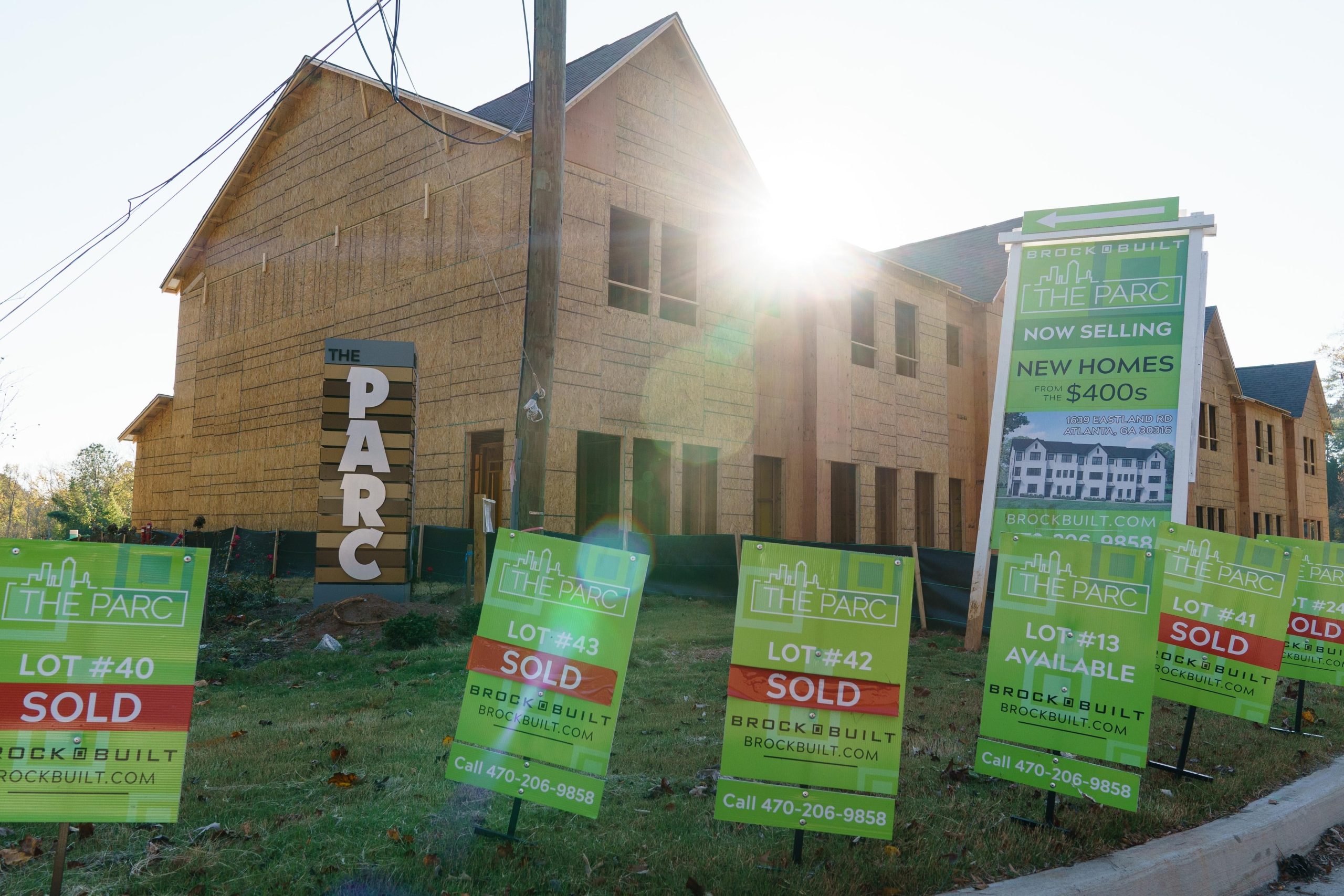
The arduous journey of building affordable housing in America is facing a potential turning point. Cities like San Diego, Austin, and Atlanta are demonstrating that streamlining bureaucratic processes can significantly accelerate the development of much-needed homes, offering a blueprint for national change amidst rising rents and homelessness.
For years, the complex and time-consuming nature of housing approvals has been a major impediment. In San Diego, leaders grew increasingly frustrated as affordable housing projects languished in a permitting labyrinth, with each delay inflating costs and pushing much-needed units further out of reach. The longer a project remained in review, the more expensive it became to build, a stark reality that threatened to undermine the very goals of affordability. Recognizing this bottleneck, San Diego Mayor Todd Gloria took decisive action. In January 2023, he issued an executive order mandating that fully affordable housing projects receive review within 30 business days. This bold move necessitated a fundamental reevaluation of the city’s permitting infrastructure. San Diego consolidated efforts previously dispersed across various departments and finally filled long-vacant budgeted positions, a move that paid dividends. Within a year, the results were remarkable, with fully affordable projects now clearing the review process in an average of just nine days.
This initiative in San Diego is not an isolated incident. Atlanta Mayor Andre Dickens is also spearheading an ambitious effort to construct or preserve 20,000 affordable homes by the year 2030, a goal that hinges on efficient development processes. While specific details of Atlanta’s approach are less elaborated, the commitment to a significant increase in affordable housing stock signals a similar recognition of the need for expedited construction timelines. These urban centers are challenging the status quo, proving that with political will and administrative reform, the pace of housing development can be dramatically improved.
The implications of these localized victories could resonate far beyond their city limits. The success in San Diego, in particular, offers a tangible model for other municipalities grappling with similar housing crises. By simplifying and accelerating permitting, cities can reduce the financial burden on developers committed to affordability, making more projects financially viable. This, in turn, can lead to an increased supply of housing, potentially easing rent pressures and providing much-needed shelter for those experiencing homelessness. As the national conversation around housing affordability intensifies, these forward-thinking cities are providing a beacon of hope, demonstrating that innovative solutions can transform a seemingly intractable problem into achievable progress. The challenge now lies in replicating these successes and inspiring a broader adoption of streamlined housing approval processes across the country.
Based on materials: Vox