
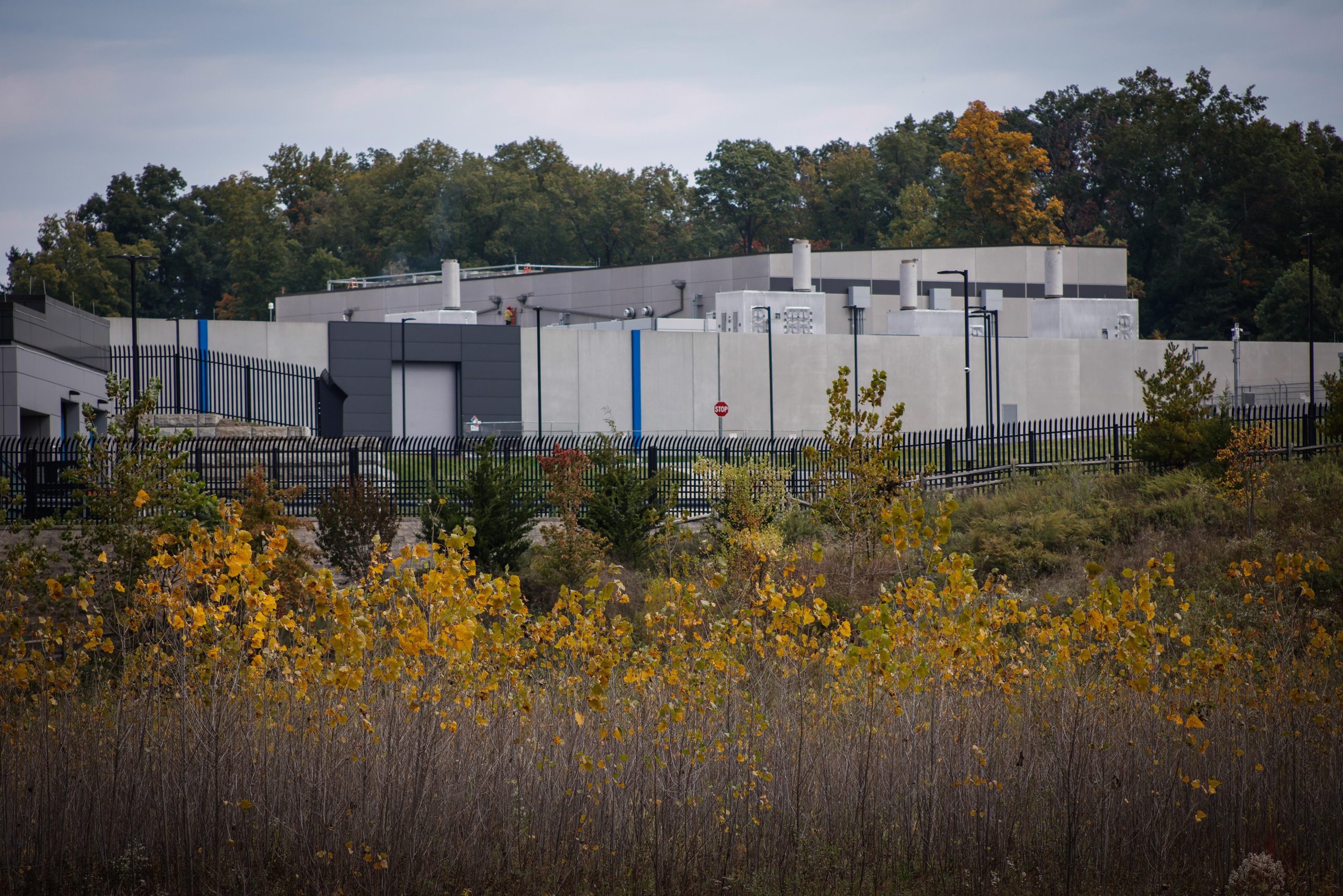
The rapid ascent of Artificial Intelligence has thrust a new, often controversial, player into the spotlight: the data center. Once largely invisible infrastructure, these massive hubs of computing power are now facing intense public scrutiny, sparking debates about their environmental impact, community integration, and the very future they enable. With a significant majority of Americans expressing opposition to new AI data center construction in their locales, the industry faces a critical challenge: building trust and demonstrating value amidst growing apprehension.
The Growing Pains of AI’s Foundation
The concerns surrounding AI data centers are multifaceted and deeply felt. Chief among them is the immense consumption of resources. These facilities are voracious in their demand for electricity, often requiring dedicated power grids, and many also necessitate significant water usage for cooling systems. This has led to anxieties about strain on local utilities, increased energy costs, and potential water scarcity, particularly in drought-prone regions. Beyond resource consumption, the sheer physical presence of these sprawling structures raises questions about land use and aesthetic integration within communities. Furthermore, the noise generated by the cooling systems can be a considerable nuisance. Underlying these tangible concerns is a broader societal unease with the transformative, and sometimes unsettling, potential of AI itself, with data centers seen as the literal engine of this technological revolution, raising fears of job displacement and an uncertain future.
Navigating the Backlash: A Call for Transparency and Innovation
The public outcry has not gone unnoticed by policymakers. Even in states like Texas, where data center development has previously flourished, a palpable shift is occurring. Governor Greg Abbott’s directive to halt permits for new data centers pending thorough audits of their impact on the power grid and water resources exemplifies this growing caution. This pause reflects a broader trend of regulatory bodies and communities demanding greater accountability and a more comprehensive understanding of the trade-offs involved. The industry, therefore, finds itself at a crossroads, needing to move beyond simply presenting technical specifications and instead engage in a proactive dialogue about responsible development, sustainable practices, and the tangible benefits these facilities bring.
The Indispensable Role of Data Centers in the Digital Age
Despite the valid concerns, it is crucial to acknowledge the indispensable role data centers play in powering our increasingly digital world. They are the bedrock upon which cloud computing, advanced research, and the very AI advancements that captivate and concern us are built. Without robust data center infrastructure, the progress in fields ranging from medical breakthroughs to climate modeling would be severely hampered. The challenge for the data center industry, and by extension the AI revolution, is to bridge the gap between public perception and technological necessity. This requires a concerted effort to innovate not only in computing power but also in sustainability. Exploring renewable energy sources, implementing advanced water conservation techniques, and actively collaborating with communities to address specific local concerns will be paramount. Ultimately, the future of AI, and the data centers that power it, hinges on the ability of the industry to demonstrate that progress and responsibility can, and must, go hand in hand.
Based on materials: Vox