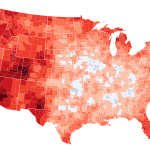
As the November 3 midterm elections loom, a prevailing narrative of a “blue wave” continues to dominate political discourse. However, a significant financial discrepancy paints a more complex picture, potentially acting as a crucial counterweight to Democratic aspirations. While polls and pundits project gains for the Democratic party, the Republican camp boasts a formidable and seemingly insurmountable fundraising advantage that could significantly impact election outcomes.
The Republican Financial Juggernaut
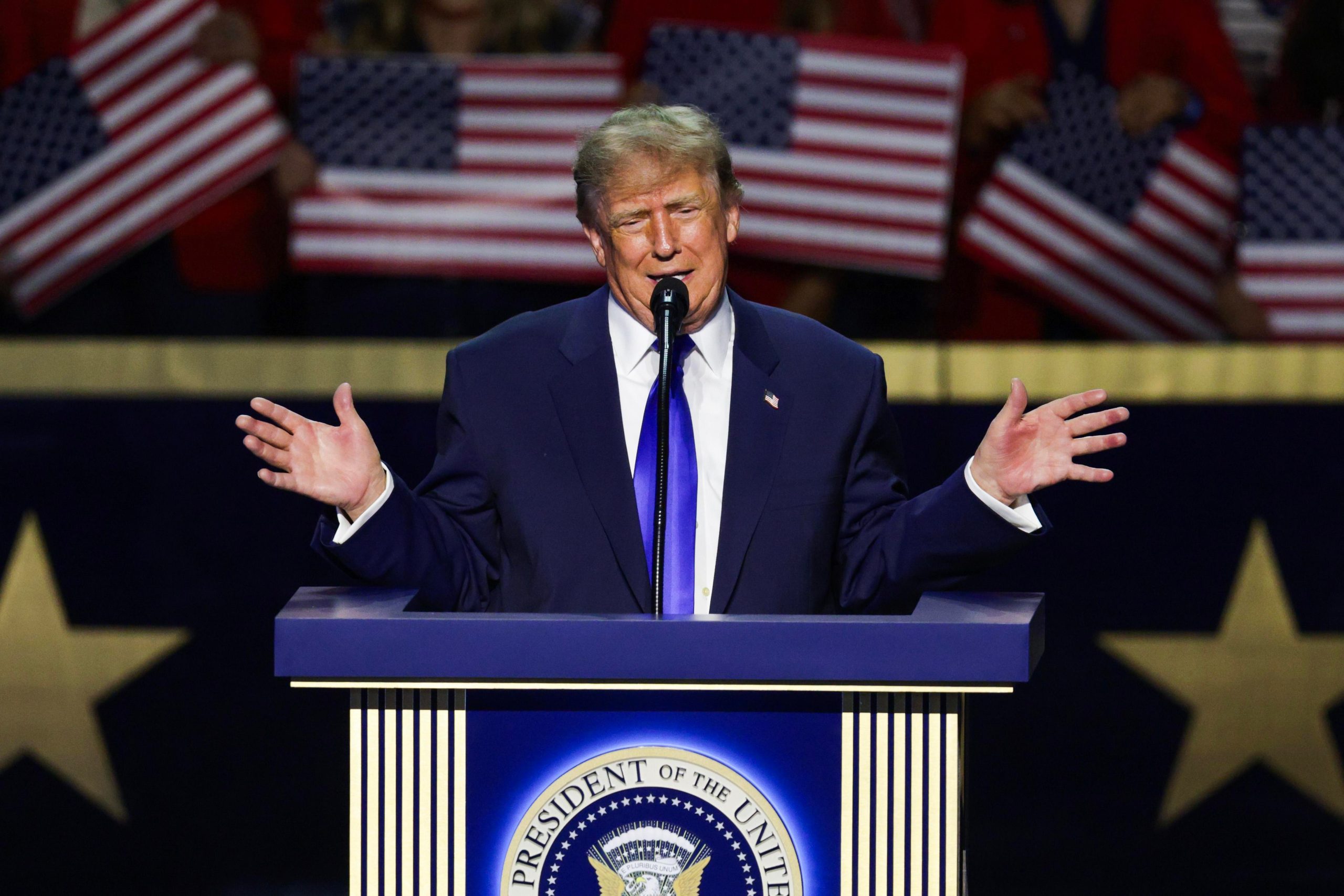
President Trump’s affiliated Super PAC has amassed an impressive war chest, reportedly holding approximately $400 million earlier this fall. This substantial figure is further amplified by significant individual contributions. Notably, Elon Musk has reportedly injected hundreds of millions into critical races, with a staggering $158 million alone designated for Texas. This influx of capital provides Republican candidates with substantial resources for advertising, ground operations, and voter outreach, offering a clear advantage in a campaign environment where financial clout often translates to greater visibility and influence. The sheer scale of these funds suggests a well-organized and deeply resourced effort to bolster Republican chances across the nation.
Democratic Fundraising Lag and Small-Dollar Reliance
In stark contrast, Democratic candidates are facing a considerable fundraising deficit, particularly when compared to their performance in previous election cycles. While the party has seen robust support from small-dollar donors, a cornerstone of their grassroots appeal, this has not translated into the same level of institutional backing from large, deep-pocketed players. This reliance on a multitude of smaller contributions, while indicative of broad popular support, may not provide the same strategic financial flexibility as the massive sums being deployed by their Republican counterparts. Experts note that this disparity could present a significant hurdle for Democrats seeking to unseat incumbents or win crucial swing districts.
The Enduring Influence of Money in Politics
The current financial landscape raises critical questions about the enduring influence of money in American politics. As veteran New York Times reporter Shane Goldmacher highlighted on Vox’s “America, Actually” podcast, the substantial Republican financial advantage is viewed by many as a “real limiter” on Democratic chances, even in an environment where presidential approval ratings might otherwise favor the opposition. This situation underscores a perennial debate: can grassroots enthusiasm and voter turnout overcome significant financial disparities, or will the sheer weight of Republican funding ultimately prove decisive? The coming weeks will reveal whether this financial gulf will shape the narrative of the midterms, potentially tempering the predicted “blue wave” with a strong Republican tide of campaign spending.
CONCLUSION:
The upcoming midterm elections are shaping up to be a critical test of whether financial dominance can override shifting political winds. While Democrats are banking on voter sentiment, Republicans are deploying a formidable financial arsenal. The extent to which this monetary disparity will influence voter decisions and ultimately shape the electoral map remains a central question as election day approaches.
Based on materials: Vox