
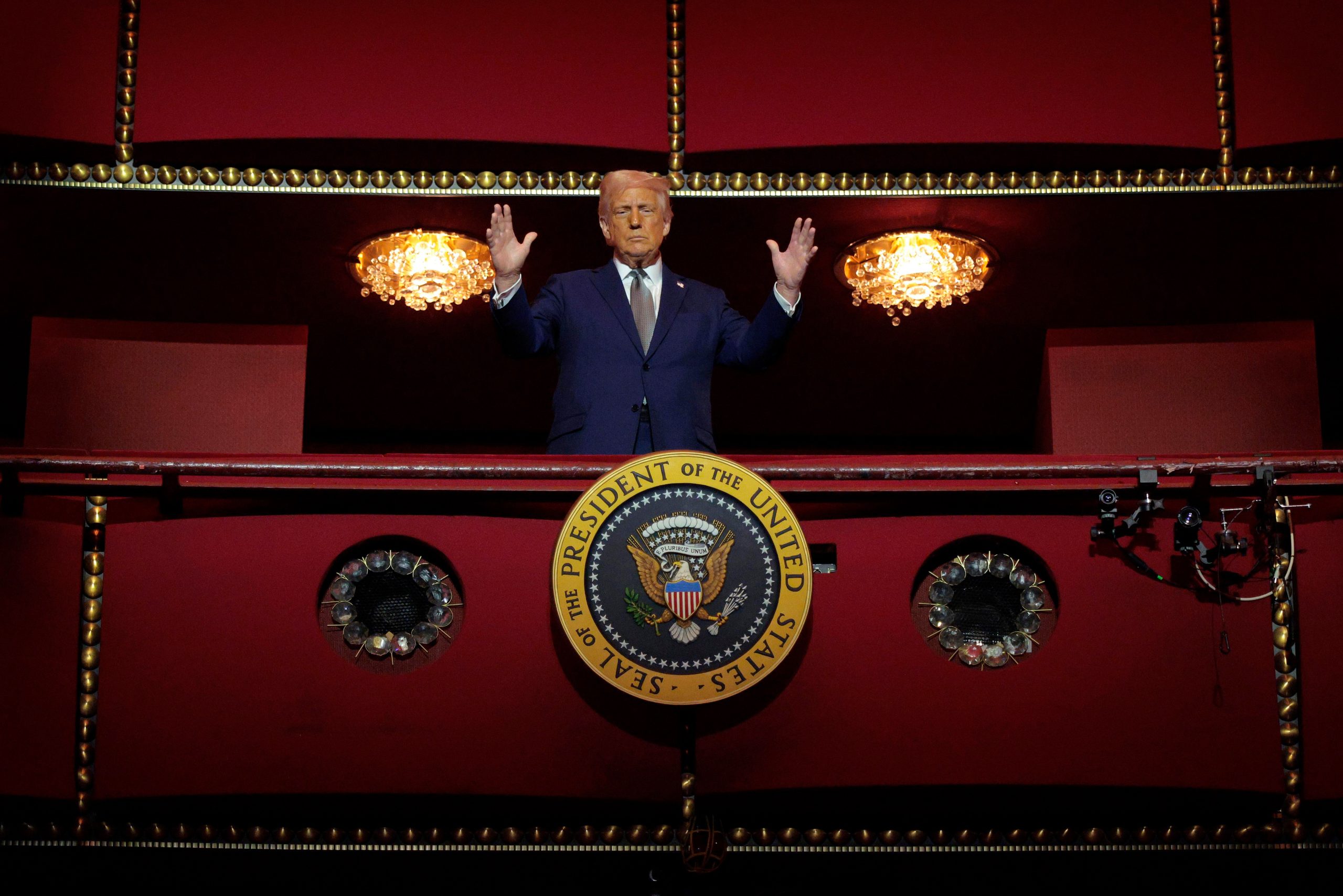
For years, the perception of political corruption seemed to be a background hum, a perennial concern that rarely climbed to the top of the American public’s agenda. However, new polling data suggests a significant shift, with voters now ranking corruption in government as a paramount issue, particularly in the context of President Donald Trump’s business dealings.
Public Opinion Shifts on Presidential Profit
During his first term, President Trump famously remarked to The New York Times that he learned “nobody cared” about concerns regarding his family’s business interests being intertwined with the presidency. This sentiment, however, appears to be a relic of the past. A cascade of headlines detailing alleged influence-peddling and profiteering involving the Trump administration and its associates has apparently galvanized public opinion.
A recent Washington Post-ABC News poll reveals a striking consensus: nearly two-thirds of Americans, including a notable portion of Republicans, now believe President Trump is leveraging the presidency for personal financial gain. This widespread perception indicates a growing unease about the ethical boundaries between public service and private enterprise.
Corruption Claims Reach Record Highs
The concern over corruption is not confined to a single poll. A Fox News survey, which gauged voter concern across more than a dozen issues, found “corruption in government” at the absolute apex of public anxiety. This sentiment is further underscored by Gallup polling, which shows a record-high 89 percent of respondents believing that corruption is widespread within the government. This figure represents a significant escalation in public distrust and a clear signal that voters are no longer content to overlook potential ethical transgressions.
What This Means for the Political Landscape
The heightened focus on corruption suggests a potential inflection point in American politics. For a long time, issues of personal conduct or perceived conflicts of interest have been overshadowed by broader policy debates or partisan loyalty. However, the sheer volume and persistence of allegations surrounding the Trump presidency, coupled with the public’s strong reaction, indicate that anti-corruption sentiment may become a more potent electoral force.
This shift could have significant implications for candidates across the political spectrum. Those perceived as transparent and ethically grounded may find an advantage, while those facing accusations of impropriety could find themselves on the defensive. As elections approach, political strategists will undoubtedly be scrutinizing this growing public demand for accountability and integrity in government. The era of “nobody cared” may indeed be over, replaced by a populace far more attuned to the ethical underpinnings of its leadership.
Based on materials: Vox



