
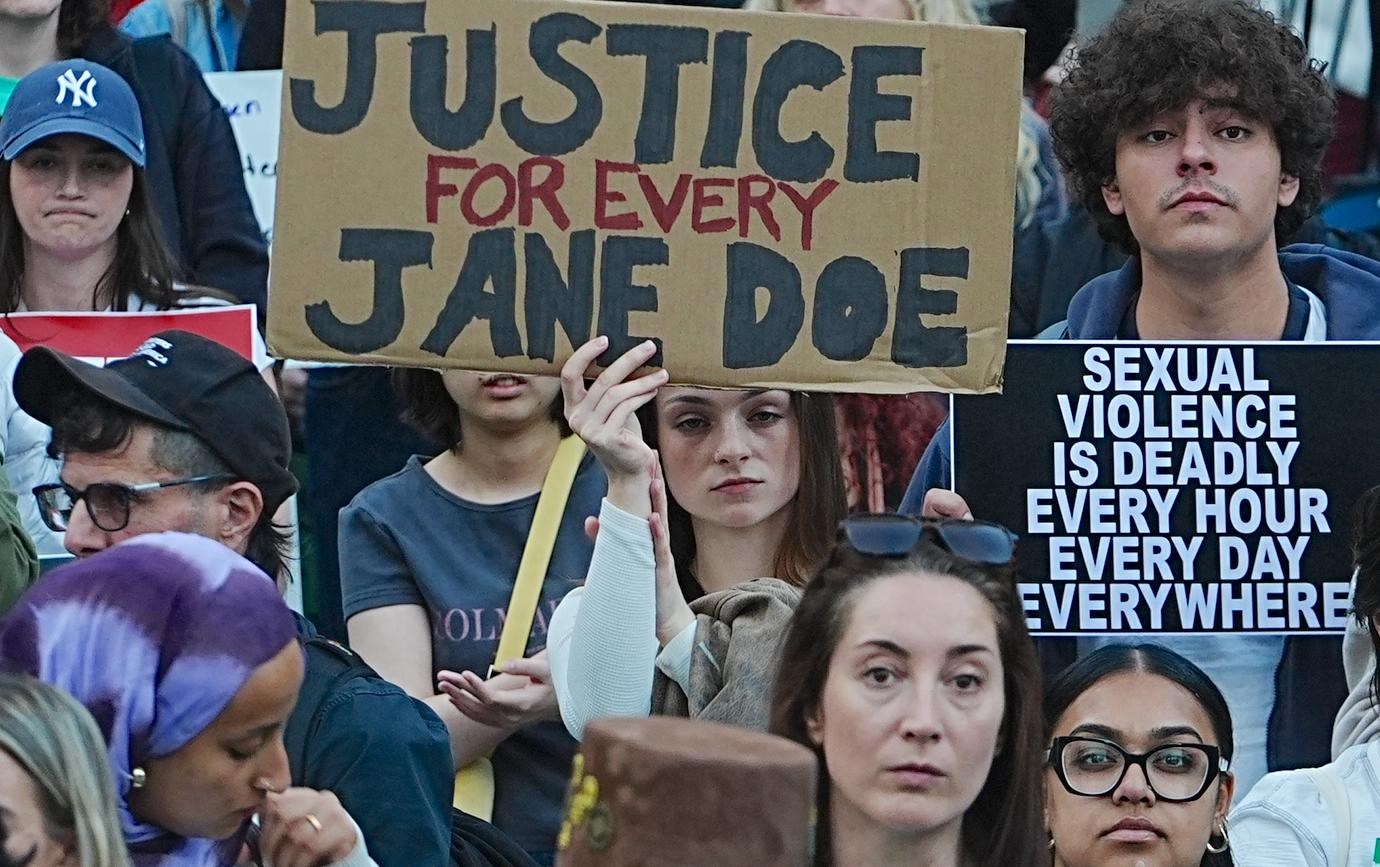
The recent, deeply disturbing allegations of rape at a Cornell University fraternity have ignited a firestorm, not only on campus but also within the broader political landscape. What initially appeared to be a unified progressive stance in support of the accuser has revealed a more complex and, at times, fractured approach to justice and institutional accountability. The case has become a potent symbol, forcing a public reckoning with how survivors are supported and how alleged perpetrators are handled within elite institutions.
A Call for Accountability and Empathy
From the national stage to New York’s state government, prominent Democrats have largely rallied behind the accuser, emphasizing solidarity with survivors of sexual assault. Representative Alexandria Ocasio-Cortez has been vocal, decrying what she described as a “culture of rape, sexual assault, and pedophilia” prevalent in prestigious educational settings. Her sentiment has been echoed by others, with Michigan Senate candidate Abdul El-Sayed criticizing Cornell for allegedly protecting its students accused of these crimes, suggesting a lenient response that failed the victim. This outpouring of support underscores a broader progressive commitment to believing and empowering survivors, a cornerstone of contemporary social justice movements.
Navigating the Legal Labyrinth
The response from New York’s highest levels of government highlights the intricate path of justice for survivors. Governor Kathy Hochul’s decision to appoint State Attorney General Letitia James to re-examine the case signals a recognition that the initial response from local law enforcement and county prosecutors was insufficient. This move suggests a frustration with the perceived failures of the existing legal system to adequately address the allegations. Attorney General James herself had previously voiced strong support for the accuser on social media, a stance that now places her in a pivotal role in investigating the deeply unsettling events at Cornell, and potentially reshaping how such cases are pursued in the future.
Divergent Paths to Justice
While the initial reaction might suggest a monolithic progressive front, the Cornell case has subtly exposed differing philosophies on how to achieve justice. Some focus on immediate support for the survivor and condemnation of the accused institution, viewing the situation through the lens of systemic issues and cultural failures. Others, while still supportive of the accuser, are more keenly focused on the procedural aspects of the legal system and the need for thorough, evidence-based investigations, even if that means a slower or more cautious approach to public pronouncements. This nuanced debate, unfolding in the shadow of a serious accusation, reflects the ongoing challenge of balancing empathy for victims with the principles of due process and the complexities of the criminal justice system. The Cornell case, therefore, serves as a critical inflection point, prompting deeper conversations about the efficacy of our institutions and the true meaning of progressive justice.
Based on materials: Vox



