
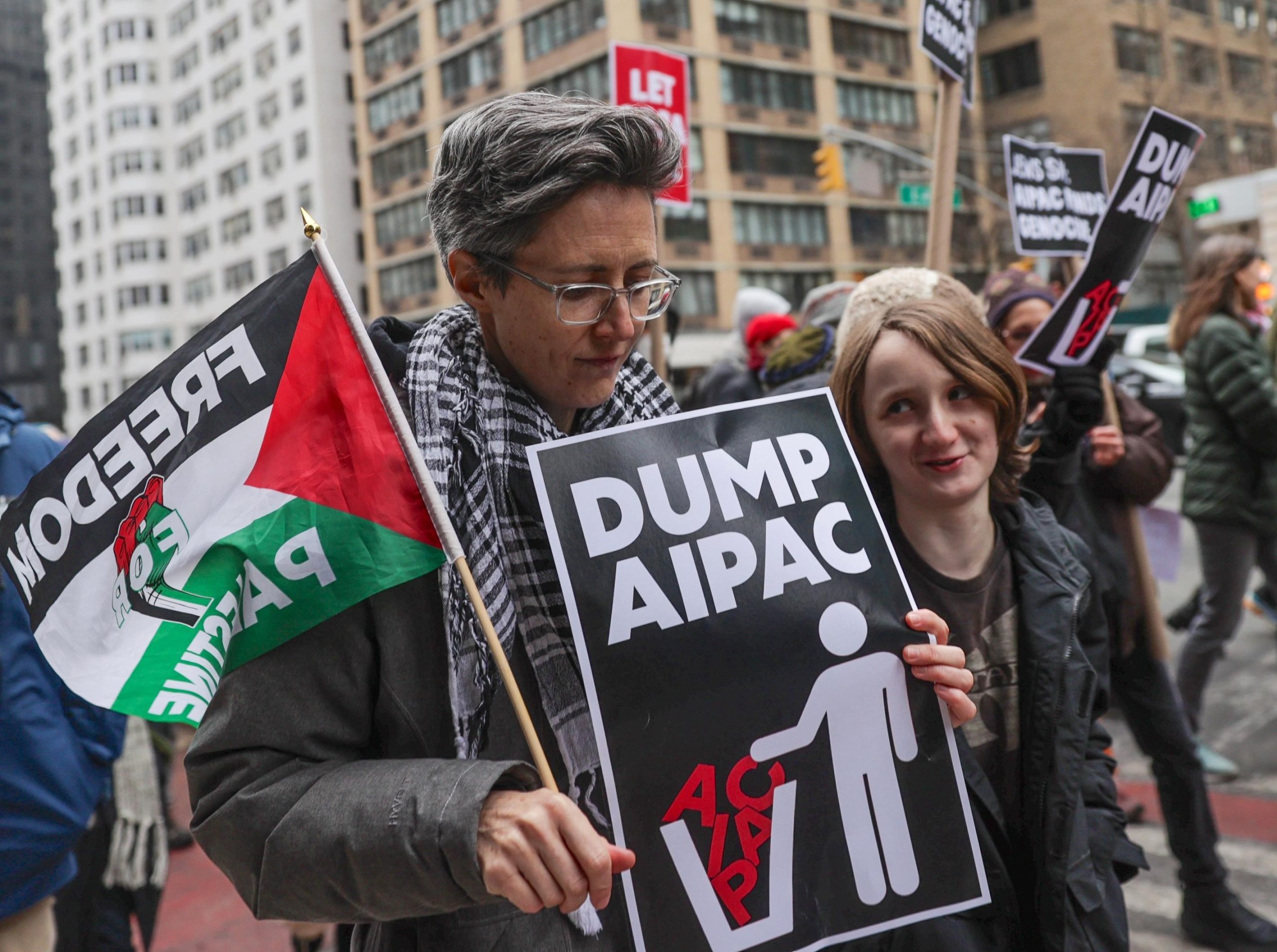
The upcoming American elections, while focused on domestic issues, could subtly reshape U.S. policy toward Israel. While the immediate spotlight has shifted away from the contentious debates that dominated the Democratic primaries, the question of who controls Congress remains a significant factor in the long-term trajectory of foreign relations.
The midterm elections saw intense clashes within the Democratic party, particularly between centrist and progressive factions, over crucial issues like military aid to Israel and the situation in Gaza. The American Israel Public Affairs Committee (AIPAC) also found itself at the center of these intra-party disputes, highlighting the growing diversity of opinions on Israel within the Democratic coalition. However, as Election Day nears, these discussions have largely receded from public discourse, overshadowed by immediate electoral concerns.
Shifting Priorities and Congressional Power
With Americans heading to the polls to decide the composition of Congress, the potential for a shift in policy, however gradual, is real. The election’s outcome will determine the level of oversight and influence Congress wields over the executive branch. A Congress controlled by one party or the other could either empower or constrain a president’s foreign policy agenda. This dynamic is particularly relevant given recent presidential actions that have, at times, bypassed traditional legislative processes.
The influence of advocacy groups like AIPAC, while significant, is not monolithic. The debates seen in the primaries suggest that a growing segment of the electorate, and certainly within the Democratic party, is increasingly scrutinizing U.S. support for Israel. Should a new congressional majority emerge, particularly one with a stronger progressive contingent, there could be renewed pressure for policy reviews concerning military aid packages and a more critical examination of Israel’s actions in the Palestinian territories. Conversely, a more centrist or Republican-controlled Congress might maintain or even strengthen existing ties, potentially offering less room for policy re-evaluation.
The Long Game: Beyond Election Day
While the immediate electoral cycle may downplay the Israel issue, its underlying complexities will persist. The election’s results will set the stage for future legislative battles and oversight hearings. The composition of key committees, the seniority of lawmakers, and the overall political climate will all play a role in how the United States engages with the Middle East.
Ultimately, the question of whether a Democratic Congress would fundamentally alter the course of U.S. policy on Israel is nuanced. It depends heavily on which faction of the party gains prominence, the specific geopolitical context at the time, and the broader foreign policy objectives of the administration in power. However, the electoral outcome will undoubtedly influence the tools and the political will available to shape that policy, ensuring that the dynamics surrounding U.S.-Israel relations remain a critical, albeit sometimes quiet, undercurrent in American politics.
Based on materials: Vox



