
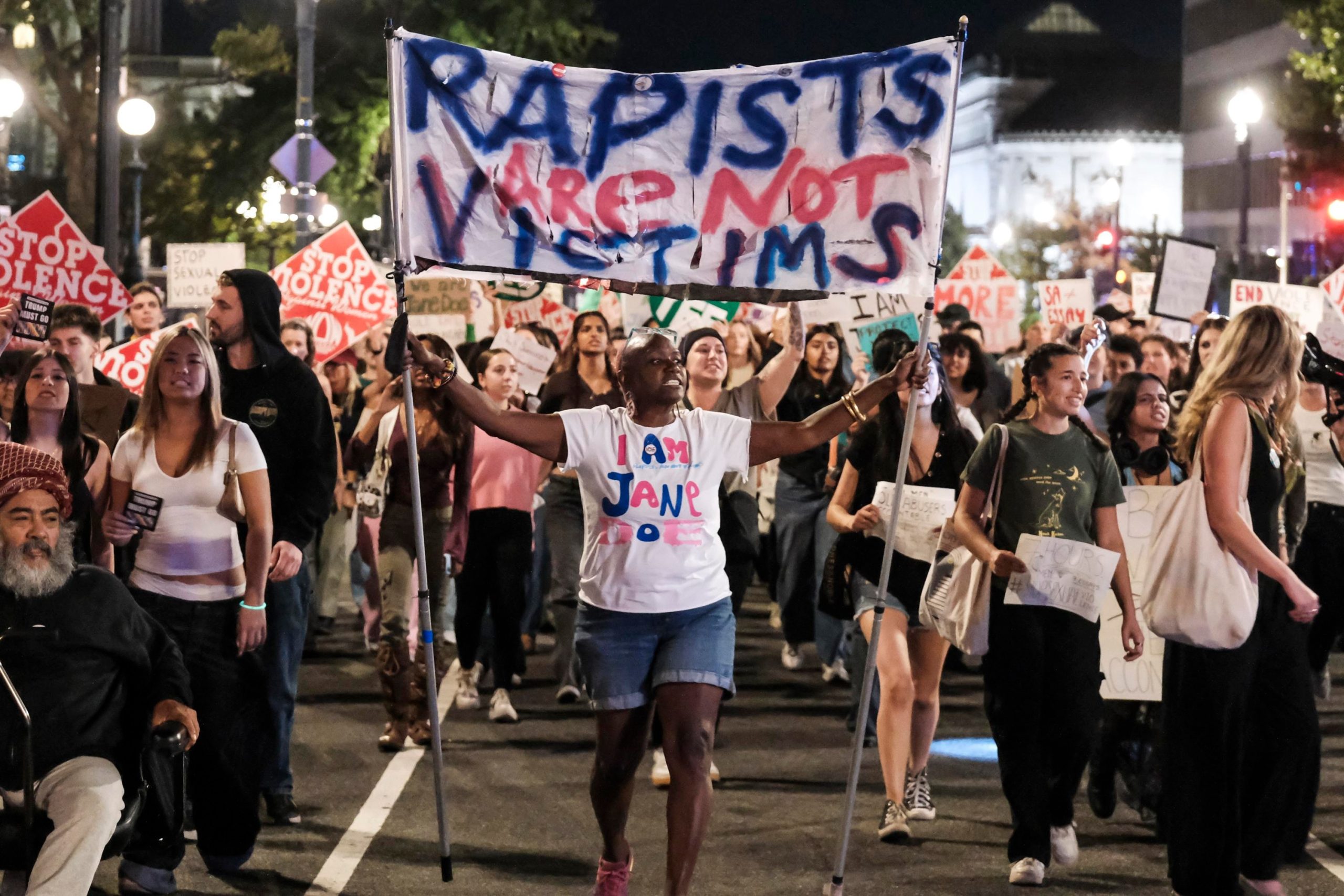
The spotlight is intensifying on how American universities are safeguarding their students, particularly in the wake of a harrowing lawsuit filed against Cornell University and members of the Chi Phi fraternity. This legal action, brought forth by a former student identified as “Jane Doe,” alleges a brutal gang rape occurred at the fraternity house in October 2024, reigniting critical conversations about campus sexual assault prevention and institutional response.
The lawsuit details a disturbing event and has prompted a multi-faceted reaction. Cornell University’s internal disciplinary proceedings, which concluded prior to the lawsuit, resulted in a mixed outcome for the accused fraternity members. Two were expelled, two faced suspension and probation, one was barred from campus after graduating, and two were cleared of responsibility but mandated to undergo educational training and reflective writing. The decision by the local district attorney not to press charges at the time further fueled student activism, with demonstrations and sit-ins organized in protest. However, the filing of the lawsuit has since prompted the DA to reopen the case and triggered a state-level investigation by New York officials, signaling a potential shift in accountability.
The Systemic Challenge of Campus Assault
This incident at Cornell is not an isolated event, but rather a symptom of a larger, persistent challenge facing higher education institutions across the nation. The complexities of investigating and adjudicating sexual assault allegations on campus are often fraught with difficulties. Balancing due process for the accused with the need for a safe and supportive environment for survivors is a delicate and often contentious undertaking. Universities are tasked with upholding federal regulations like Title IX, which prohibits sex-based discrimination, while also navigating internal policies, student codes of conduct, and external legal frameworks. The disparity in outcomes, from internal disciplinary actions to criminal charges, highlights the varied and sometimes inadequate systems in place to address such serious allegations.
Towards a Safer Campus Future
The growing pressure on universities to do more than just react to incidents is palpable. Experts and advocates are calling for a proactive and comprehensive approach to sexual assault prevention. This includes robust education programs for all students on consent, healthy relationships, and bystander intervention, starting from orientation and continuing throughout their academic careers. Furthermore, universities are urged to strengthen their internal investigation processes, ensuring they are transparent, fair, and sensitive to the needs of survivors. This might involve independent review boards, specialized training for investigators, and clear pathways for reporting without fear of reprisal. The involvement of external law enforcement and state agencies in cases like the one at Cornell underscores the need for stronger collaboration between universities and the criminal justice system, aiming for more consistent and impactful accountability when assault occurs. The demand for change is clear: colleges must move beyond reactive measures and build cultures of prevention and unwavering support for their students.
CONCLUSION:
The allegations at Cornell University serve as a stark reminder that the fight against sexual assault on college campuses is far from over. The legal and investigative developments following the lawsuit highlight the ongoing struggle to achieve justice and accountability. As students, parents, and policymakers continue to demand greater safety and more effective prevention strategies, universities are being compelled to re-examine their policies, invest in comprehensive education, and foster an environment where all students feel secure and respected. The path forward requires a commitment to systemic change, ensuring that the focus remains on protecting students and holding perpetrators accountable.
Based on materials: Vox



