
American elections, once heralded as the bedrock of democracy, are increasingly becoming a foregone conclusion for millions. The insidious practice of partisan gerrymandering has carved up electoral maps with such precision that many congressional seats are no longer competitive battlegrounds, but rather predetermined victories for one party. This leaves a significant portion of the electorate feeling disenfranchised, their votes rendered largely symbolic in districts designed to thwart their choices.
The deeply entrenched nature of gerrymandering presents a formidable challenge to reform. Lawmakers often owe their positions to the very district lines that critics decry as manipulated. Therefore, asking those currently in power to dismantle this system is akin to asking them to potentially jeopardize their own careers. However, a confluence of political shifts may be creating an unprecedented window of opportunity for those advocating for fairer electoral maps.
A Historical Push and Shifting Tides
The Democratic party, during its last tenure controlling the U.S. House of Representatives, championed legislation aimed at eradicating gerrymandering. While this initiative ultimately stalled in the Senate, current electoral forecasts suggest a potential political realignment. If polling predictions hold true, Democrats could secure control of both chambers of Congress in the upcoming November elections. Furthermore, if former President Donald Trump continues to be a significant factor in Republican politics through 2028, this could grant Democrats extended control over both the legislative and executive branches of government. This dual control could empower them to revive and potentially pass legislation that fundamentally reshapes how congressional districts are drawn, moving away from partisan advantage towards more representative outcomes.
Beyond Legislative Avenues: The Role of the Courts and Grassroots Efforts
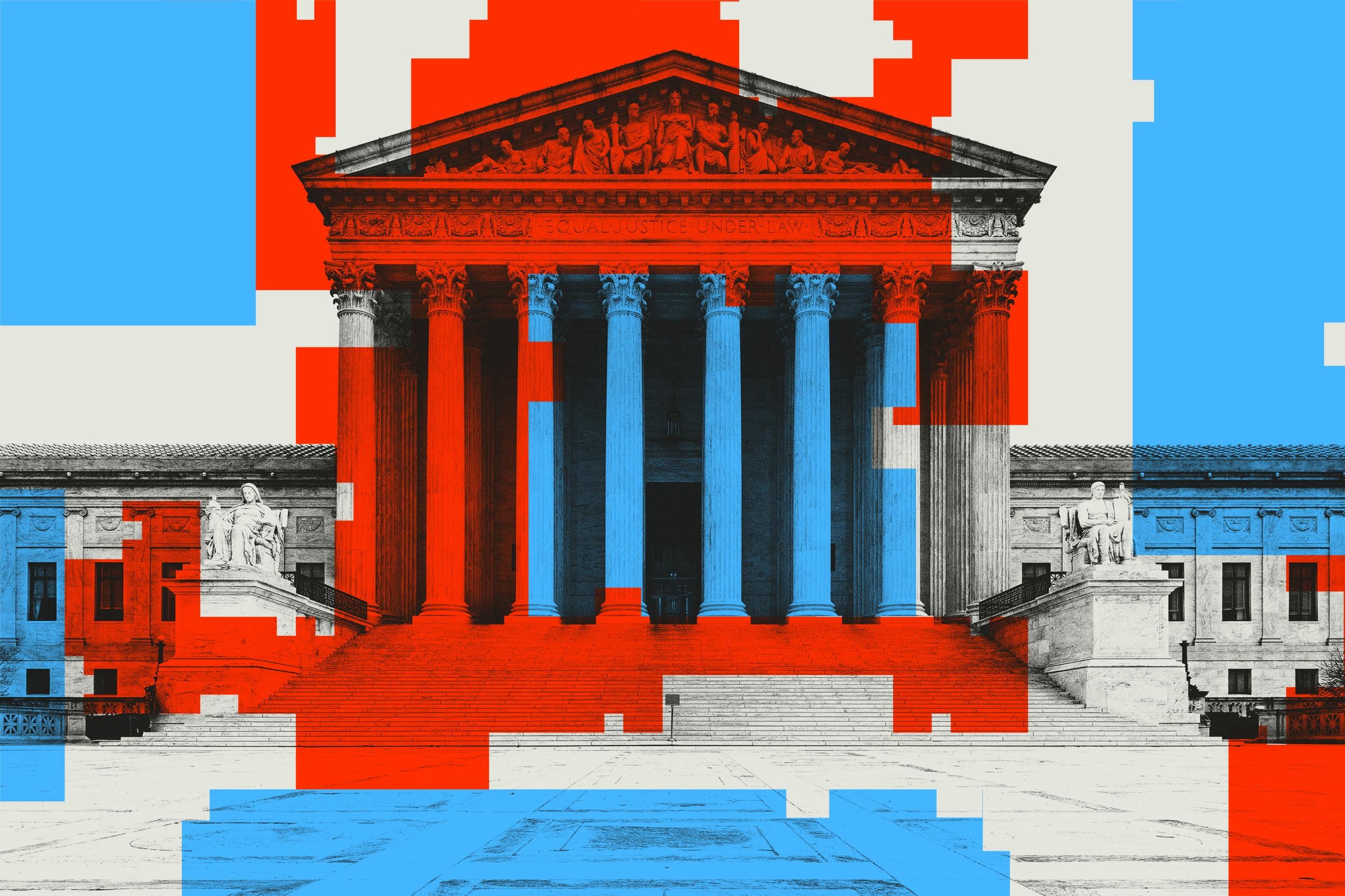
While legislative action is a primary focus, the path to ending gerrymandering is not solely confined to Capitol Hill. Historically, the Supreme Court has played a pivotal role in electoral law, though recent years have seen a more conservative leaning court express skepticism towards federal intervention in partisan gerrymandering cases. This presents a significant hurdle, as the court has largely deferred to states to regulate their own districting processes. However, this doesn’t mean the judicial branch is entirely off the table. State-level courts, interpreting their own constitutions, have sometimes struck down gerrymandered maps. Moreover, the ongoing legal battles and public discourse surrounding the fairness of electoral districts continue to shape public opinion and potentially influence future judicial considerations. Grassroots movements and advocacy groups are also crucial, tirelessly working to educate the public, lobby lawmakers, and support initiatives that promote independent redistricting commissions or other non-partisan methods of map drawing. Their persistence keeps the issue on the public agenda and exerts pressure for change from the ground up.
The Long Road Ahead
The prospect of curbing gerrymandering, while seemingly brighter, remains a complex and arduous undertaking. Even with potential legislative majorities, overcoming the deeply ingrained political incentives and intricate legal challenges will require sustained effort and a broad coalition. The success of any reform will hinge not only on the political will of those in power but also on the continued engagement of citizens and advocacy groups demanding a more equitable electoral system. The current political climate offers a glimmer of hope, suggesting that the era of hyper-partisan districting might, at long last, be approaching a reckoning.
SOURCE INFORMATION:
TITLE: How to ban gerrymandering when the Supreme Court is stacked against you
DESCRIPTION: American elections aren’t what they used to be: Thanks to relentless, politically driven gerrymandering, fewer and fewer congressional seats are truly competitive. Millions of Americans are locked into districts where their vote will never elect the party of their choice. But gerrymandering is also notoriously hard to fix. Many sitting lawmakers owe their seats to […]
CONTENT: American elections aren’t what they used to be: Thanks to relentless, politically driven gerrymandering, fewer and fewer congressional seats are truly competitive. Millions of Americans are locked into districts where their vote will never elect the party of their choice. But gerrymandering is also notoriously hard to fix. Many sitting lawmakers owe their seats to districts that have been wildly contorted to create secure seats. So asking legislators to ban gerrymandering often means asking them to endanger their own jobs. Nevertheless, the stars may soon align for opponents of partisan electoral maps. Last time Democrats controlled the US House, they passed a bill that sought to eliminate gerrymandering. That bill died in the Senate. But, if the polls are correct, Democrats are poised to take both houses of Congress in November. If President Donald Trump remains an albatross around Republicans’ necks through 2028, Democrats could soon control both elected branches of government. T
SOURCE: Vox
Based on materials: Vox



