
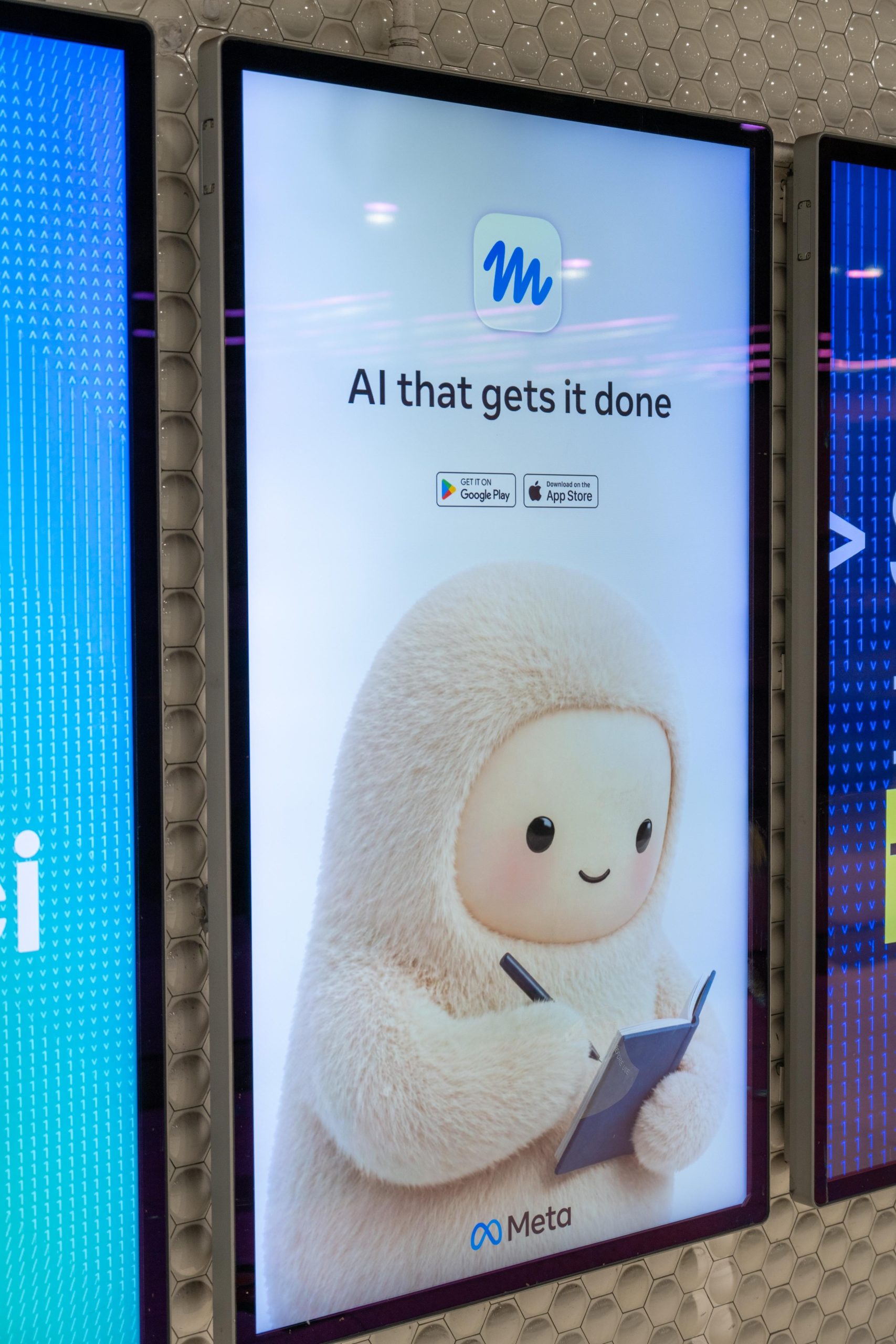
The modern juggle of work, family, and personal life often leaves individuals wishing for an extra pair of hands, or perhaps even a digital clone. For many, the sheer volume of daily tasks – from managing finances and scheduling appointments to coordinating social lives and even planning meals – can feel overwhelming. This sentiment of perpetual busyness is a familiar one, particularly for professionals balancing demanding careers with family responsibilities.
This is precisely the void that emerging artificial intelligence (AI) agents aim to fill. Companies are developing sophisticated AI tools designed to act as personal assistants, capable of handling a wide array of life’s administrative and logistical burdens. These agents promise to alleviate the mental load associated with everyday life, freeing up valuable time and cognitive resources for individuals to focus on more important or enjoyable pursuits.
The Rise of the AI Companion
The concept of an AI agent isn’t entirely new, but recent advancements in machine learning and natural language processing have propelled these tools from science fiction to tangible reality. Imagine an AI that can not only remind you of an upcoming doctor’s appointment but also reschedule it if a conflict arises, based on your work calendar and family commitments. Picture an assistant that can sift through your emails, identify urgent requests from your child’s school, and draft a polite response, or even manage your grocery lists and suggest recipes based on available ingredients and dietary preferences. This level of personalized, proactive assistance is what developers are striving to achieve.
The appeal of such technology is evident, especially for those navigating the complexities of modern parenthood and career demands. Sari Azout, a mother of three and a tech industry professional, shared her experience of constant “doing.” She described the morning rush of meal coordination, children’s breakfast, and carpool arrangements, followed by a workday filled with professional tasks. Even after work hours, the demands continue with school communications and social obligations. This relentless cycle highlights the potential market for AI agents that can effectively offload these repetitive yet crucial tasks.
Navigating the Future of Life Management
As these AI agents become more integrated into our daily lives, several questions arise. How will they learn our preferences and routines to provide truly personalized assistance? What are the privacy implications of entrusting an AI with sensitive personal information like financial details, health records, and communication patterns? Furthermore, as these agents become more capable, the line between human and AI interaction in managing our lives will undoubtedly blur.
The development of AI agents represents a significant technological leap, offering a glimpse into a future where mundane tasks are automated, allowing humans to reclaim time and energy. While the benefits of reduced stress and increased efficiency are compelling, careful consideration of the ethical and practical challenges will be paramount as these powerful tools become increasingly intertwined with the fabric of our personal lives. The dream of having a “clone” might soon be a reality, albeit a digital one, reshaping how we manage our existence.
Based on materials: Vox



