
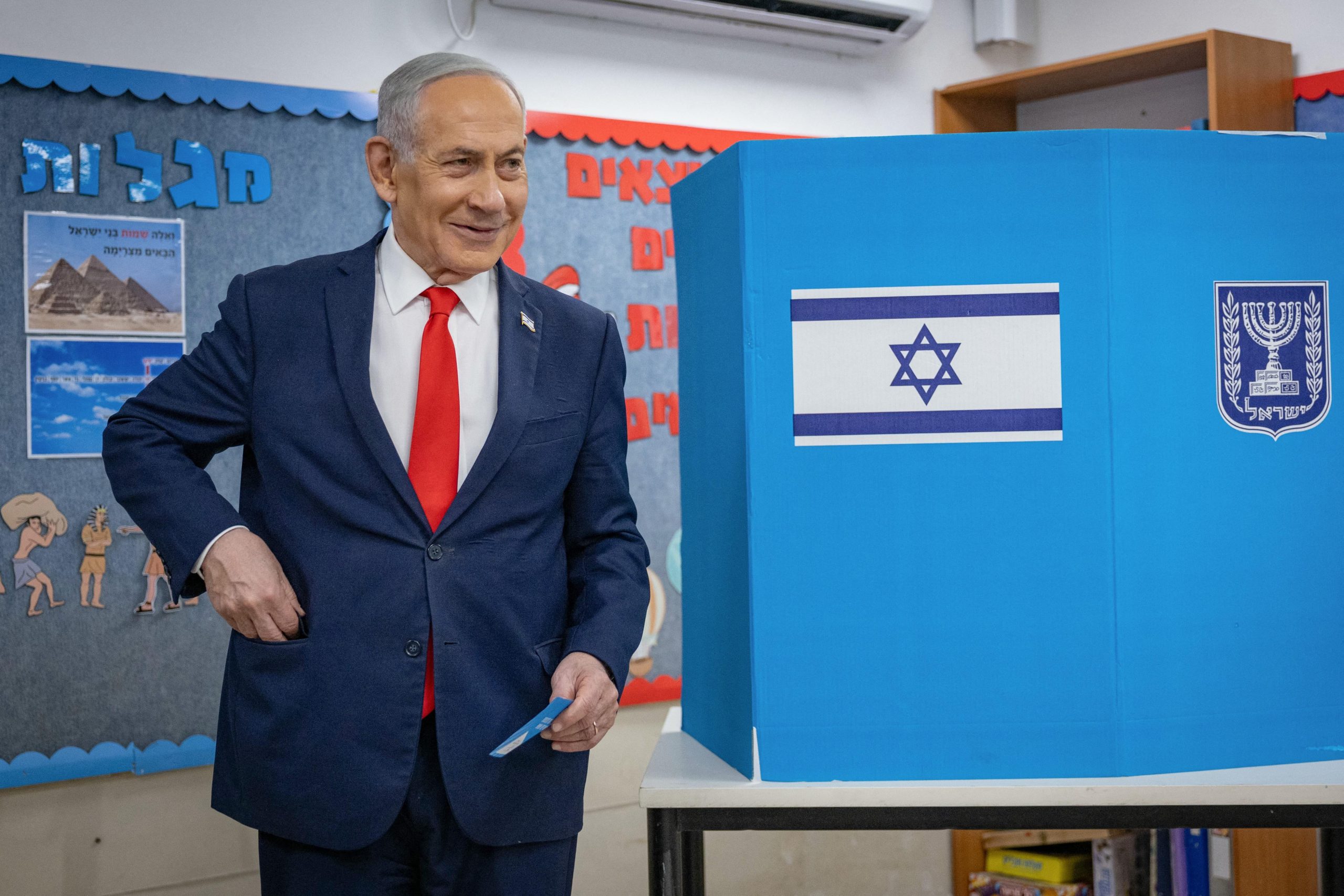
Israelis are heading to the polls in what is being described as a pivotal legislative election, with Prime Minister Benjamin Netanyahu’s political future and the very trajectory of Israeli democracy at stake. This election marks the first national vote since the devastating October 7, 2023, attacks, casting a long shadow over the proceedings and making it a critical referendum on the nation’s response and leadership in the aftermath.
The high voter turnout underscores the significance of this election, with analysts emphasizing its profound implications for the country. For Benjamin Netanyahu, often referred to as “Bibi,” this election represents a crucial moment of reckoning. He has been a dominant figure in Israeli politics for an extended period, navigating complex domestic and international challenges. However, the current political climate is heavily influenced by the events of October 7 and the subsequent period, forcing voters to evaluate his government’s performance and vision for the future.
A Nation Navigating Crisis
The shadow of the October 7 attacks looms large over this election. The unprecedented assault by Hamas and the ensuing conflict have deeply shaken Israeli society, leading to widespread calls for accountability and a reevaluation of security policies. Voters are not just choosing a leader; they are casting a vote on how Israel should move forward from this profound trauma, a decision that will inevitably shape the nation’s security posture, its foreign relations, and its internal social fabric. The outcome of this election will likely signal a shift in the national mood and priorities, reflecting the collective desire for stability and a renewed sense of security.
Democracy on the Ballot
Beyond the immediate security concerns, this election is also being framed as a test for Israeli democracy. The nation has been grappling with significant internal political divisions, including widespread protests against the government’s proposed judicial reforms, which critics argued would undermine the independence of the courts. These divisions, exacerbated by the ongoing conflict, have raised questions about the resilience of democratic institutions in Israel. The decision at the ballot box will therefore not only determine who leads the country but also the strength and direction of its democratic foundations. The world is watching to see how Israel navigates these complex challenges, with the election serving as a crucial indicator of its commitment to democratic principles amidst turmoil.
In conclusion, the election in Israel is far more than a routine political event. It is a deeply consequential moment that will decide the fate of its long-serving Prime Minister and, more importantly, set a course for the nation’s future. The outcome will be scrutinized globally, offering insights into how a nation confronts trauma, rebuilds security, and upholds its democratic ideals in the face of unprecedented challenges. The weight of these decisions rests heavily on the shoulders of Israeli voters as they cast their ballots.
Based on materials: Vox



