
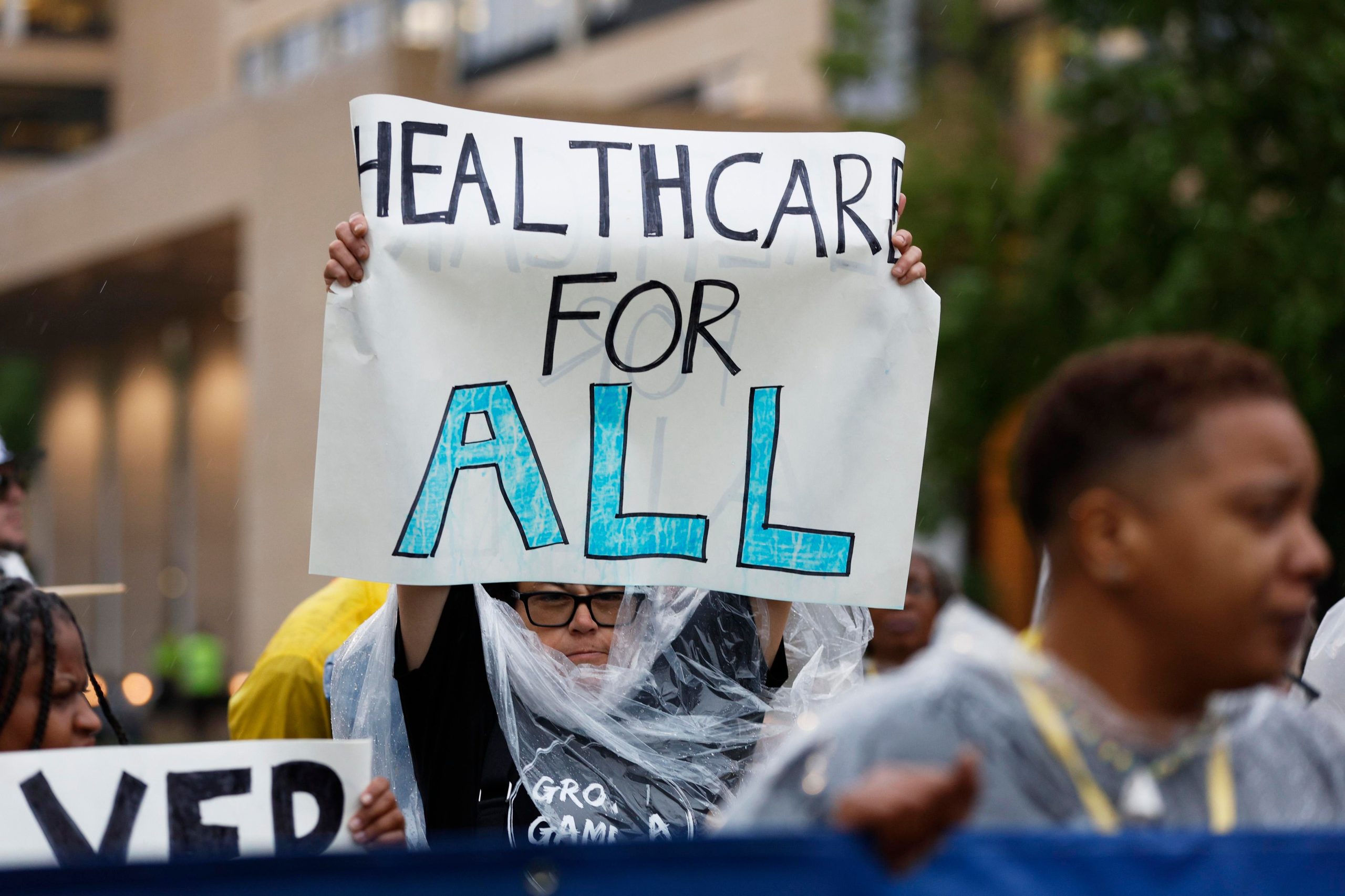
As the midterm elections draw closer, Democrats are rolling out ambitious healthcare proposals, igniting a fervent debate about the future of American healthcare. From calls for a universal Medicare-for-all system to the introduction of a public health insurance option or free primary care for all citizens, candidates are making bold promises to a public increasingly dissatisfied with the status quo. If the party achieves significant victories, it could pave the way for substantial legislative action in the coming years, potentially reshaping the nation’s complex healthcare landscape.
The path to healthcare reform in the United States is notoriously challenging, marked by both landmark achievements like the Affordable Care Act and significant setbacks, such as the failed repeal efforts and the ill-fated Clinton-era initiative. While Americans express a clear desire for change, there’s a palpable undercurrent of apprehension regarding the potential disruptions that sweeping reforms might bring. Years of public opinion research, voter engagement, and focus groups consistently reveal a growing distrust and souring sentiment towards the healthcare industry. This public sentiment, coupled with the entrenched interests within the sector, sets the stage for a contentious battle should Democrats gain the political capital to pursue their reform agendas.
Industry Braces for Impact
The healthcare industry, a vast and influential sector, is acutely aware of the potential seismic shifts on the horizon. Major players, including insurance companies, pharmaceutical giants, and healthcare providers, are actively preparing for a potential legislative onslaught. Lobbying efforts are expected to intensify as these entities seek to protect their interests and influence policy outcomes. The sheer scale of the proposed changes, which could fundamentally alter how healthcare is funded and delivered, necessitates a robust and strategic response from the industry. This proactive stance suggests a recognition that the upcoming political landscape could present the most significant challenge to the current healthcare model in decades.
Public Opinion: A Double-Edged Sword
The public’s desire for a more accessible and affordable healthcare system is undeniable. However, this desire is often tempered by a deep-seated fear of the unknown and a distrust of large-scale government intervention. Past attempts at reform have highlighted this duality, demonstrating that while the public may be unhappy with the current system, they are also wary of radical changes that could disrupt their existing care or financial stability. For Democrats aiming to enact significant reforms, navigating this complex public sentiment will be crucial. Effectively communicating the benefits of proposed changes while addressing legitimate concerns about cost, access, and disruption will be key to building and maintaining public support. The success of any future healthcare legislation will likely hinge on the ability to bridge this gap between the aspiration for a better system and the apprehension surrounding its implementation.
Conclusion:
The upcoming elections present a pivotal moment for American healthcare. With Democrats signaling their intent to pursue significant reforms, the healthcare industry is mobilizing for a potential fight. The success of these ambitious plans will not only depend on electoral victories but also on the ability to navigate the intricate web of public opinion, industry opposition, and the historical complexities of healthcare reform in the United States. The coming years are poised to be a critical period of negotiation, compromise, and potentially, profound transformation in how Americans access and pay for healthcare.
Based on materials: Vox



