
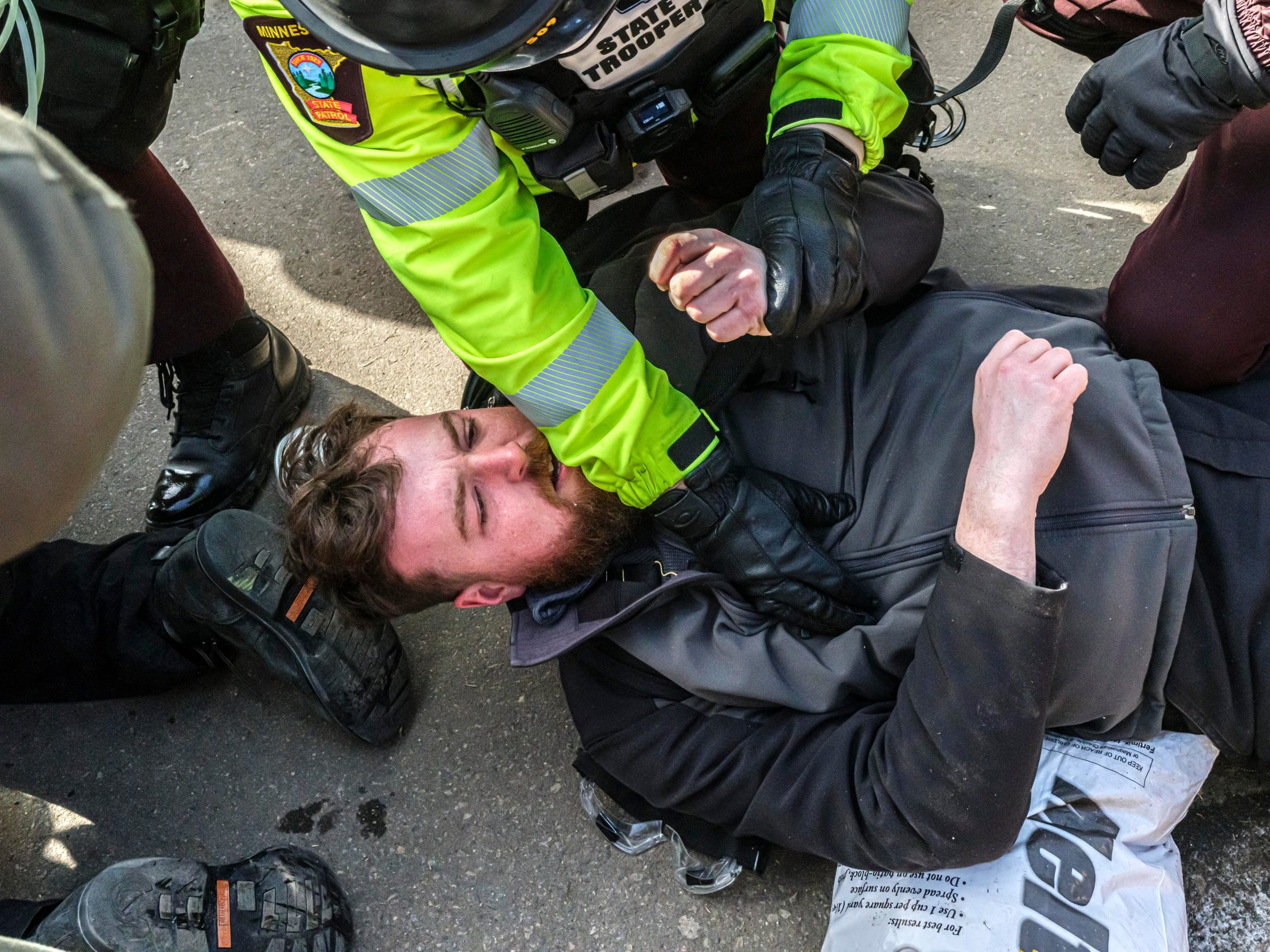
The U.S. Supreme Court is poised to hear a case that could severely limit the ability of citizens to sue federal law enforcement officers for misconduct, potentially leaving individuals with little recourse in instances of abuse of power. The upcoming case,
Nielsen v. Watanabe
, scheduled for oral arguments on November 9th, follows a series of decisions that have, according to critics, gradually eroded accountability for federal agents.
A Pattern of Eroding Recourse
The potential ramifications of
Nielsen v. Watanabe
are being viewed as the culmination of a trend that has made it increasingly difficult for individuals to seek justice when wronged by federal authorities. The article highlights hypothetical yet stark scenarios: being violently assaulted by an officer without cause, having one’s home illegally searched by the FBI, or being a victim of excessive force by immigration officials. In these situations, the Supreme Court’s recent jurisprudence has, it is argued, made it challenging to hold the responsible officers liable through civil lawsuits.
A key precedent cited is a decision from approximately six years ago where the Court’s conservative majority granted immunity to a U.S. Border Patrol agent involved in the fatal shooting of a Mexican teenager. This ruling, and others like it, have established a higher bar for plaintiffs seeking to sue federal officers, often requiring them to prove specific legal precedents were violated rather than focusing on the egregious nature of the misconduct itself. Critics argue this creates a significant hurdle for victims, especially when the alleged misconduct doesn’t fit neatly into pre-existing legal frameworks.
The Stakes of
Nielsen v. Watanabe
The
Nielsen v. Watanabe
case specifically centers on a situation that could further solidify this legal landscape. While the exact details of the case are not fully elaborated in the provided description, its progression to the Supreme Court signals a significant legal question is being presented. If the Court rules in a manner that further restricts the ability to sue, it could embolden federal officers by reducing the perceived risk of personal liability for their actions, even in cases of apparent wrongdoing.
This potential shift in legal precedent raises concerns about the balance of power between citizens and the state. Accountability mechanisms are crucial for maintaining public trust in law enforcement. When those mechanisms are weakened, it can lead to a perception of unchecked authority and a chilling effect on individuals’ willingness to challenge potential abuses. Legal experts suggest that such a ruling could have far-reaching implications for civil rights and the ability of individuals to seek redress for constitutional violations committed by federal agents.
The Broader Implications for Justice
The Supreme Court’s role in interpreting and shaping laws is profound, and its decisions in cases like
Nielsen v. Watanabe
have a tangible impact on the lives of ordinary people. The ability to sue for damages is a critical component of the justice system, serving not only as a means of compensation for victims but also as a deterrent against future misconduct. If this avenue for redress is significantly narrowed for actions by federal officers, it could create a perception that certain government actors are operating above the law, undermining the very principles of a democratic society. The upcoming arguments will be closely watched by civil liberties advocates, legal scholars, and potentially, anyone who fears encountering an overzealous federal agent.
SOURCE: Vox
Based on materials: Vox



