
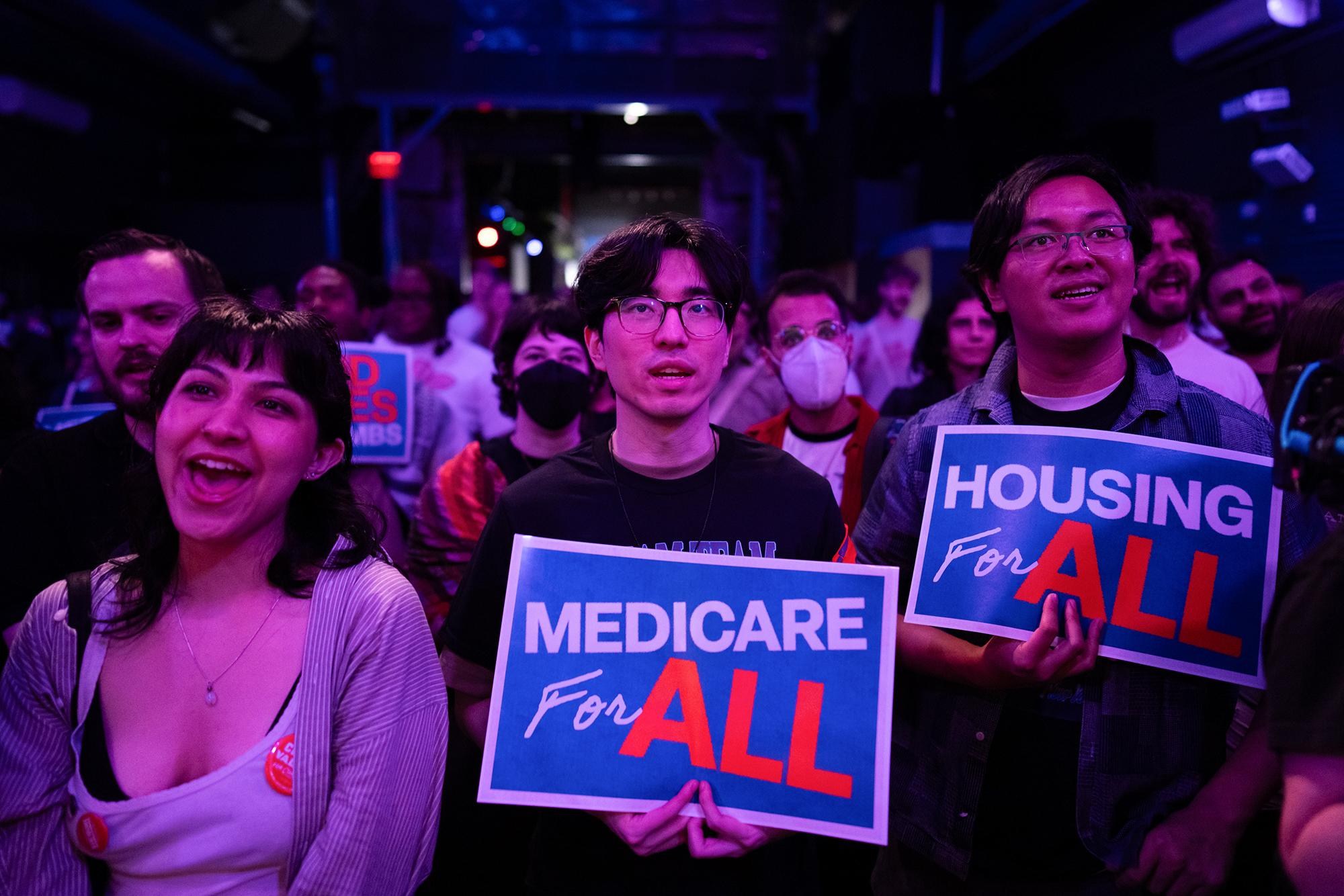
The traditional political narrative often paints younger generations as idealistic crusaders for social progress, while older demographics are presumed to prioritize pragmatic economic concerns. However, recent shifts among Gen Z voters are challenging this long-held assumption, revealing a cohort increasingly swayed by economic realities over cultural battles.
A Rightward Drift and a Rapid Reversal
Between the 2020 and 2024 election cycles, a notable trend emerged: Gen Z voters, a demographic often associated with progressive ideals, demonstrated a significant swing towards more conservative viewpoints, reportedly moving by over 20 percentage points. This realignment appeared to signal a growing disillusionment with traditional progressive platforms or perhaps a response to perceived cultural divides. Yet, this trajectory now seems to be reversing. A growing body of survey data suggests that Gen Z is once again distancing itself from former President Donald Trump, with economic anxieties and the escalating cost of living emerging as primary drivers of this renewed shift.
Pocketbook Politics Take Center Stage
The data paints a clear picture of Gen Z’s evolving priorities. According to recent trackers from YouGov, “Inflation/prices” has vaulted to the top concern for voters under the age of 30, eclipsing issues like civil rights and civil liberties by a considerable margin. This economic focus underscores a stark reality: for many young Americans, the daily struggle to afford basic necessities and secure their financial future is far more pressing than the cultural debates that often dominate political discourse. The trifecta of concerns for young Americans aged 18-29, who express at least a 50-50 chance of voting, includes the cost of living, perceived corruption, and the United States’ involvement in international conflicts. These issues directly impact their present and future economic stability, suggesting a pragmatic re-evaluation of political platforms.
Beyond Ideology: A New Pragmatism Emerges
This pivot highlights a developing pragmatism within Gen Z. While their youthful idealism may still be present, it is now being tempered by the harsh realities of inflation, stagnant wages, and an uncertain economic future. The allure of cultural issues, which may have previously galvanized this demographic, appears to be waning as the fundamental need for economic security takes precedence. This recalibration suggests that politicians seeking to connect with young voters must move beyond ideological rhetoric and demonstrate a tangible understanding of and concrete solutions for their economic challenges. The “culture war” may be a significant battleground for some, but for Gen Z, the cost of living is proving to be the more potent, and ultimately, deciding, factor in their political calculus.
CONCLUSION:
The political landscape is dynamic, and Gen Z’s evolving priorities are a testament to this. Their recent swing away from the right, driven by economic concerns, signifies a crucial shift that political strategists and candidates cannot afford to ignore. As inflation continues to impact household budgets and economic anxiety persists, the ability to offer credible solutions to these pocketbook issues will likely determine their success in winning over this influential voting bloc. The era of assuming Gen Z is solely driven by progressive social ideals may be over, replaced by a generation keenly aware of the economic foundations upon which their future will be built.
Based on materials: Vox



