
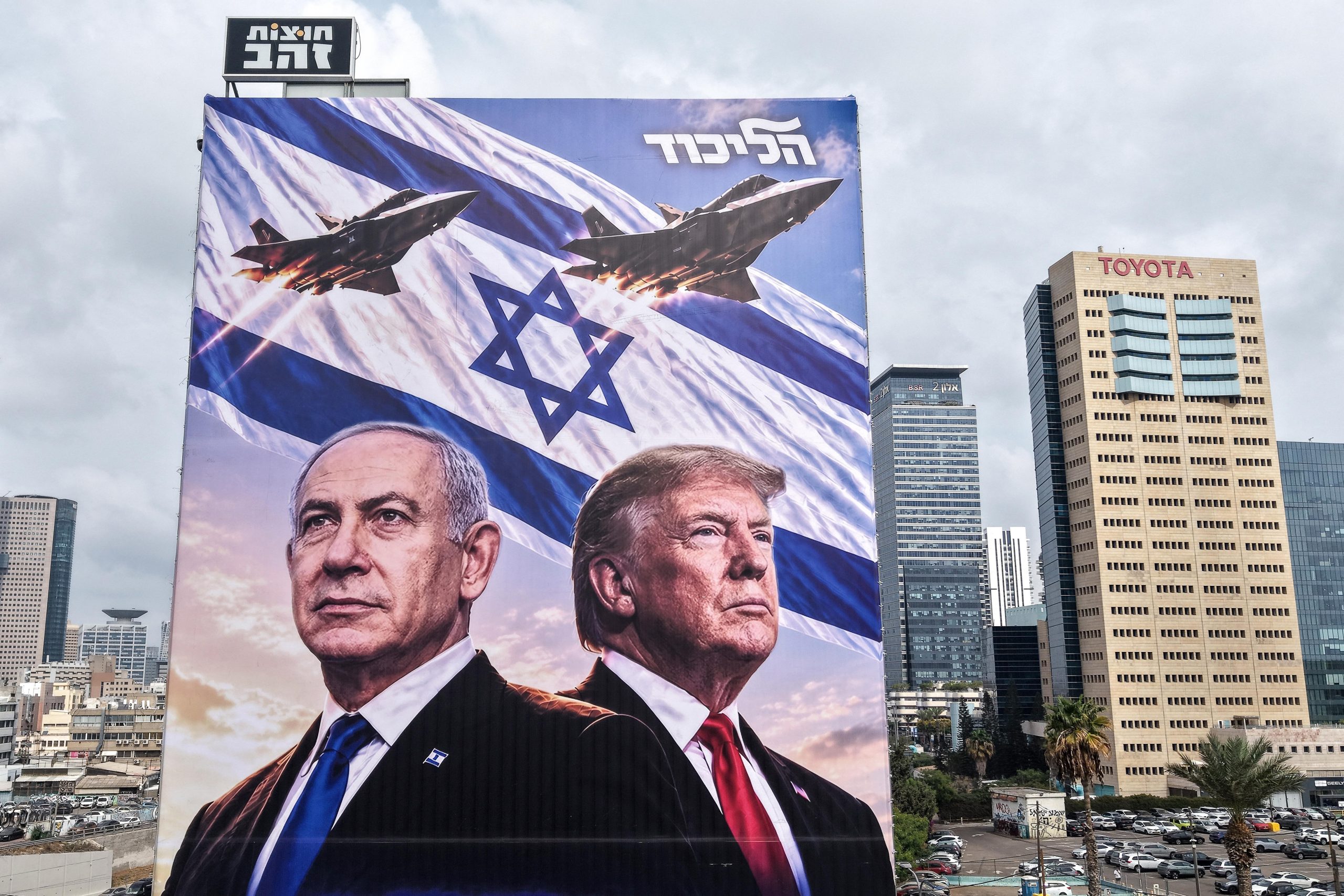
President Donald Trump has signaled a potential shift in U.S. foreign policy, suggesting that military aid to Israel could be significantly reduced or entirely halted by the end of the year. The remarks, made during an interview with Fox & Friends on Election Day, have sparked considerable discussion about the future of the long-standing alliance.
A “Successful Country” No Longer Needing U.S. Funds
During the televised interview, Trump stated, “We were giving them $4 billion but it’s cut off at the end of the year.” When pressed for an explanation, the President characterized Israel as a “very successful country” that, in his view, no longer requires American financial assistance. He further elaborated that the aid had become a convenient talking point for political opponents, an “easy target” for critics, including figures like Democratic Michigan Senate candidate Abdul El-Sayed, who he suggested would exploit the issue during the midterm elections.
Trump also alluded to the tacit agreement of Israeli Prime Minister Benjamin Netanyahu on this matter, implying that Netanyahu himself supported a cessation of U.S. aid. This assertion, if accurate, would represent a significant departure from previous administrations’ approaches to the region and could have far-reaching implications for both Israeli security and broader geopolitical dynamics.
Geopolitical Implications and Political Calculus
The announcement, while framed as a matter of fiscal prudence and political expediency, carries substantial geopolitical weight. For decades, U.S. military aid to Israel has been a cornerstone of the bilateral relationship, underpinning the country’s security and strategic positioning in a volatile region. A sudden cutoff of such substantial funding could be interpreted as a significant recalibration of American foreign policy priorities.
From a domestic political perspective, Trump’s timing of these remarks on Election Day suggests a strategic move to appeal to a specific segment of the electorate. By framing the aid as an expenditure that can be redirected or eliminated, he may be attempting to tap into sentiments of fiscal conservatism and a desire to prioritize domestic spending. Furthermore, by anticipating and preemptively addressing potential criticisms from the left, he aims to neutralize a line of attack. However, the long-term consequences of such a policy shift, should it be implemented, could also invite bipartisan scrutiny and potentially alienate key allies.
A History of Bold Declarations
It is crucial to note that President Trump has a well-documented history of making bold, sometimes unconventional, policy declarations that do not always translate into immediate action. His pronouncements often serve as probes, testing public reaction, signaling intent, or creating leverage in negotiations. Whether this latest statement regarding Israeli aid will result in a concrete policy change or remain a rhetorical flourish remains to be seen. However, the sheer magnitude of the proposed cut—$4 billion annually—means that any move in this direction would undoubtedly be closely monitored by international stakeholders and have a profound impact on regional stability and U.S. foreign relations. The coming months will likely reveal the true intent behind these provocative words.
Based on materials: Vox



