
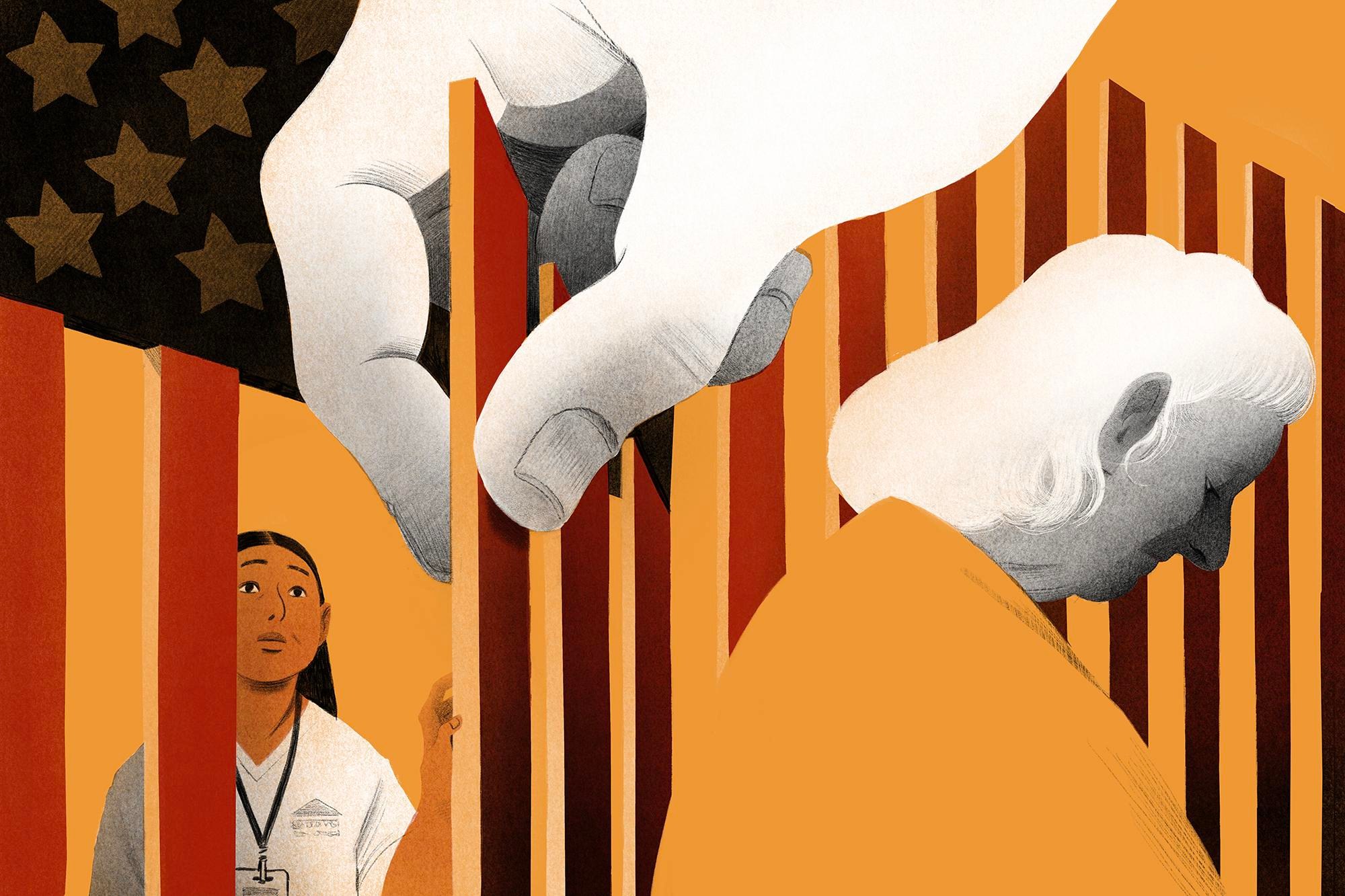
The demographic tide is undeniably shifting, and unlike many speculative future challenges, the approaching caregiving crisis for an aging America is met with broad consensus among policymakers. As the nation grapples with projections of job displacement by artificial intelligence and fluctuating birth rates, the certainty of a rapidly expanding elderly population demanding direct care is a stark reality. By 2036, the United States will witness a significant demographic transformation, with profound implications for its healthcare and social support systems.
A Swelling Senior Population
The numbers are staggering. According to the Congressional Budget Office, the population aged 65 and older is projected to surge from 65.6 million to a formidable 77.5 million by 2036. This growth is largely driven by the continued retirement of the Baby Boomer generation. Even more striking is the projected increase in the oldest segment of the population: those aged 85 and over are expected to nearly double, expanding from 6.8 million to 11.1 million individuals within the same timeframe. This demographic bulge represents a growing cohort with an increased likelihood of requiring assistance with daily living activities, from bathing and dressing to medication management and meal preparation.
The Looming Shortage of Direct Care Workers
The critical question that emerges from these demographic shifts is whether the United States will possess an adequate workforce to meet the escalating demand for direct care services. This umbrella term encompasses a range of vital roles, including home health aides, personal care aides, and nursing assistants. These individuals, predominantly women, form the backbone of support for older adults and people with disabilities, enabling them to maintain independence and dignity in their homes or within residential care settings. The current workforce, already strained, faces the daunting prospect of an ever-increasing patient load with a potentially insufficient pipeline of new caregivers. This impending shortage poses a significant threat to the quality of life for millions of Americans and places immense pressure on families and existing healthcare infrastructure.
Navigating the Path Forward
Addressing this impending crisis requires proactive and multifaceted solutions. Policymakers, healthcare providers, and communities must collaborate to not only expand the caregiver workforce but also to enhance the appeal and sustainability of these essential roles. This could involve initiatives to improve wages and benefits, offer better training and career advancement opportunities, and explore innovative models of care delivery, such as leveraging technology or community-based support networks. Ignoring this demographic reality is not an option; the future well-being of a significant portion of the American population hinges on our ability to prepare for and effectively manage the growing needs of our aging citizens. The question is not
if
we will need to care for our elders, but
how
we will ensure that care is available, accessible, and of the highest quality.
SOURCE: Vox
Based on materials: Vox



