
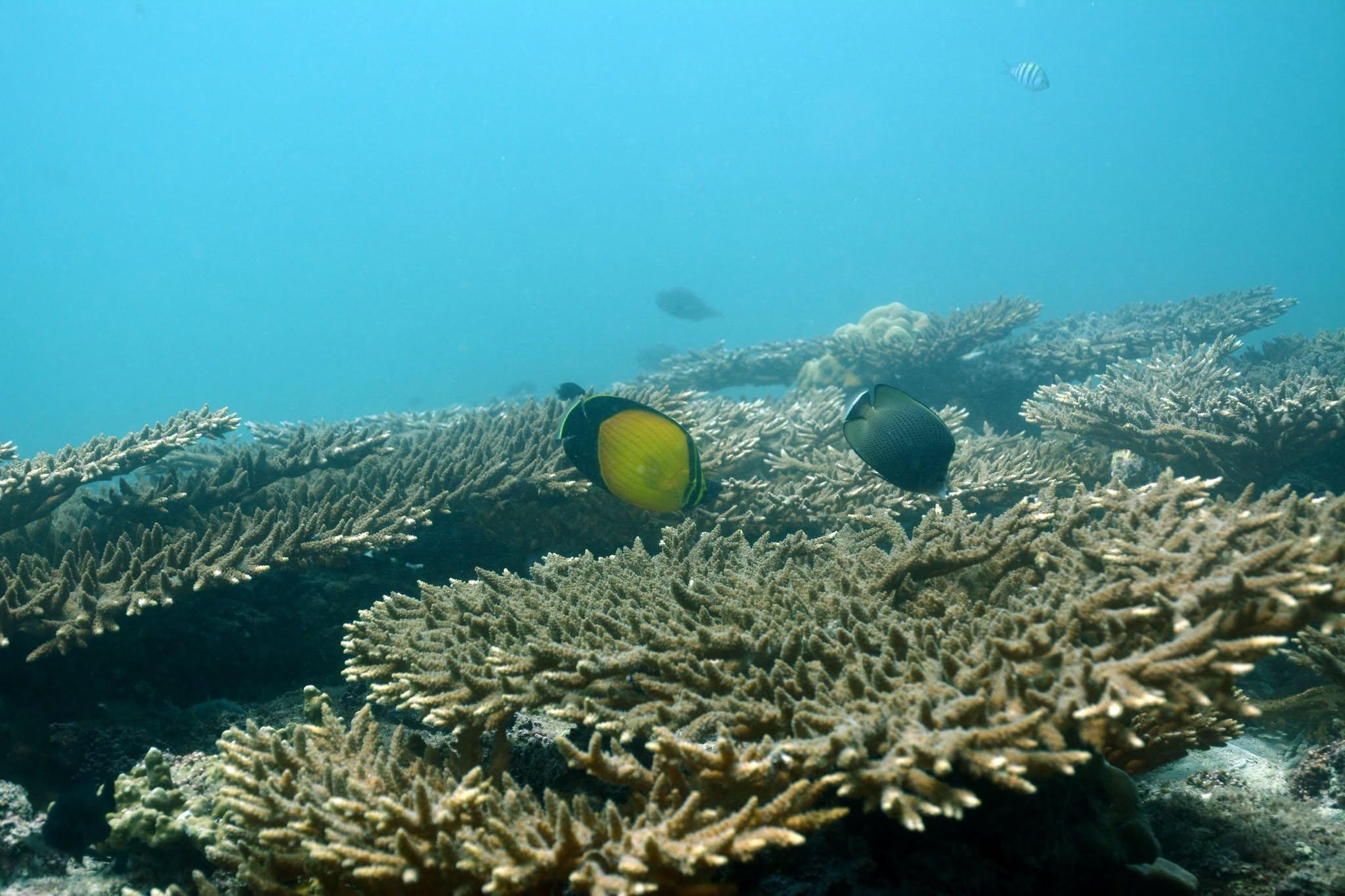
As the planet warms, the vibrant ecosystems of coral reefs are facing an existential threat. The escalating frequency and intensity of marine heatwaves are pushing these delicate organisms to their limits, leading to widespread bleaching events and devastating losses. In the face of this crisis, scientists are exploring a diverse array of innovative solutions, from stimulating coral reproduction to conducting rigorous heat-tolerance tests in unexpected settings. Now, a groundbreaking study is shining a light on a potentially revolutionary approach: harnessing the power of the coral’s own microscopic inhabitants.
The Unseen Guardians
Corals, much like humans, are not solitary organisms. They host a complex and dynamic community of bacteria, collectively known as their microbiome, living both internally and on their surfaces. For years, researchers have suspected that these microbial partners play a crucial role in coral health, providing essential benefits in exchange for shelter and nutrients. However, the precise functions of many of these bacteria have remained elusive, and the sheer diversity of microbiomes – even among neighboring coral colonies of the same species – has presented a formidable challenge to understanding their collective impact.
A Bacterial Breakthrough
A recent study, published in the esteemed journal
Nature Microbiology
, has made a significant leap forward in unraveling this intricate relationship. The research has identified a specific bacterium within the coral’s microbiome that appears to possess remarkable properties for combating heat stress. While the exact mechanisms are still under investigation, early findings suggest that this particular microbial ally may play a vital role in helping corals withstand the damaging effects of elevated ocean temperatures. This discovery shifts the focus from solely external interventions to the intrinsic resilience offered by the coral’s natural microbial community.
Implications for Conservation
The implications of this research are profound. If scientists can identify, cultivate, and potentially introduce these heat-tolerant bacteria to vulnerable coral populations, it could offer a powerful new tool in the global effort to conserve these vital underwater cities. This approach taps into the coral’s own biological defenses, offering a potentially more sustainable and less intrusive method of intervention compared to other experimental techniques. While the path from laboratory discovery to widespread reef restoration is long and complex, this study offers a beacon of hope, suggesting that some of the most potent solutions might be found within the very organisms we are striving to protect. The intricate dance between corals and their microbial partners may hold the key to safeguarding these irreplaceable ecosystems for future generations.
Based on materials: Vox



