
Montana’s pristine lakes are facing an unwelcome threat: invasive fish species, often introduced by human hands. What might seem like a harmless act by an angler can have devastating ecological and economic consequences, sparking a continuous battle for wildlife officials to protect native ecosystems.
The problem isn’t new. In 1992, a single act of illegally introducing yellow perch into Lake Mary Ronan, northwest Montana, by an unknown individual, was witnessed by observant teenagers. Their tip-off to Montana Fish, Wildlife, and Parks (FWP) led to a swift, albeit costly, intervention involving nets and poison to eradicate the introduced fish. The perpetrator, though identified and fined, highlighted a growing issue that prompted stricter legislation. Today, intentionally introducing a non-native species is a felony in Montana, carrying severe penalties including up to two years in prison or a $25,000 fine.
The Ripple Effect of Illegal Introductions
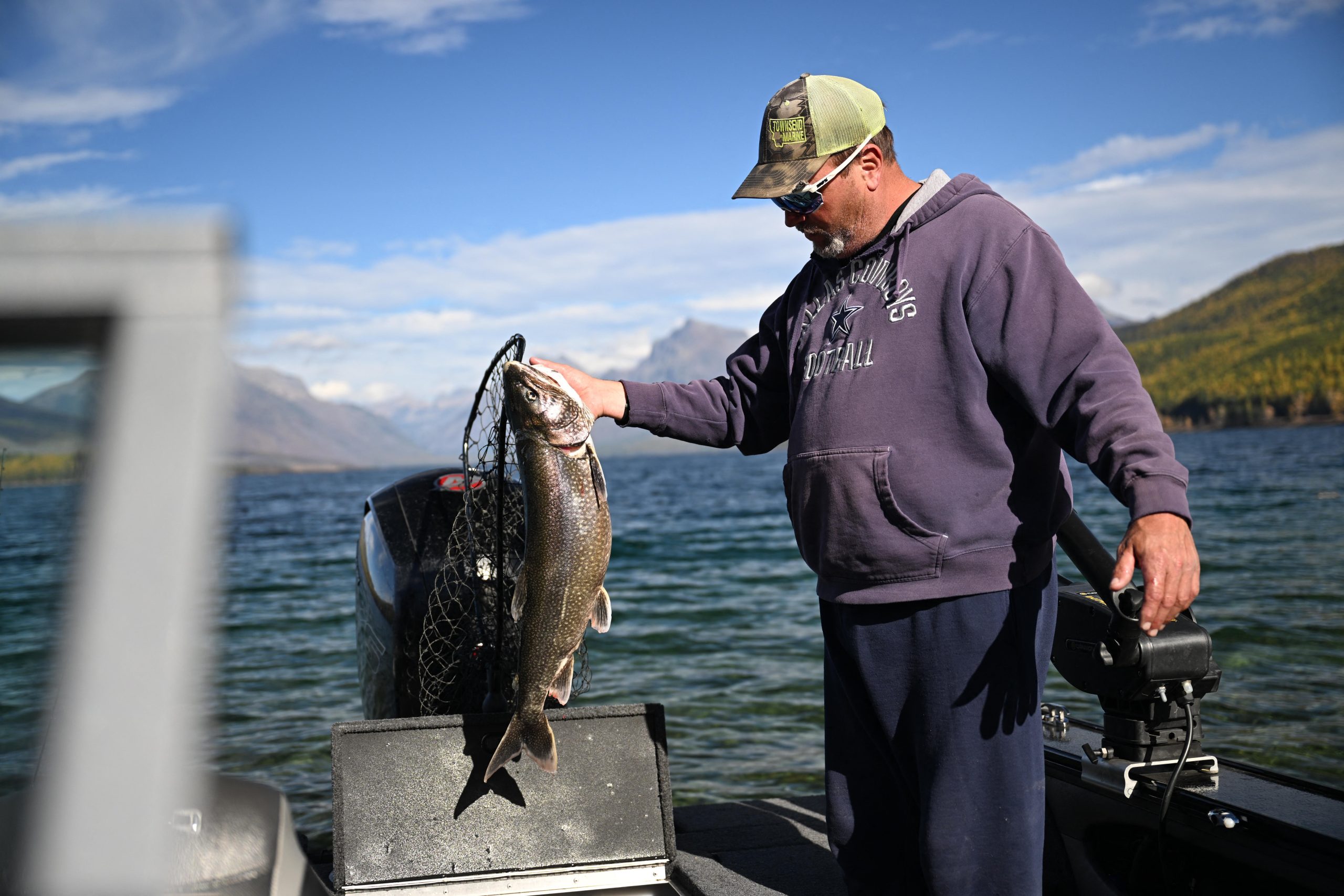
Despite these deterrents, the practice persists. Anglers may introduce fish for various reasons – to create a new fishing spot, to establish a food source for native predators, or even out of ignorance. However, the ecological ramifications are profound. Invasive species, by definition, lack natural predators in their new environment, allowing their populations to explode. This unchecked growth can outcompete native fish for food and habitat, disrupt food webs, and potentially introduce diseases. For instance, lake trout, often deemed invasive in certain Montana waters like Lake McDonald in Glacier National Park, can decimate populations of native salmonids.
The economic impact is also significant. Managing invasive species requires substantial financial investment from state agencies. This includes extensive monitoring, eradication efforts, public education campaigns, and research into effective control methods. Furthermore, the presence of invasive species can negatively affect recreational fishing, a vital component of Montana’s tourism industry. Declining populations of desirable native fish can deter anglers, leading to lost revenue for local businesses.
A Costly, Ongoing Struggle
The challenge for FWP and other environmental agencies is multifaceted. Firstly, detecting illegal introductions early is crucial but difficult. Lakes and rivers are vast, and clandestine introductions can go unnoticed for extended periods, allowing invasive populations to become established. Secondly, eradication efforts are often complex, expensive, and not always fully successful. The sheer scale of some water bodies makes complete removal of an invasive species a monumental task.
The story of the yellow perch in Lake Mary Ronan, while a stark example, is just one chapter in Montana’s ongoing struggle against invasive species. It underscores the importance of public awareness and the critical role that vigilant citizens play in safeguarding the state’s natural heritage. As Montana continues to grapple with this persistent issue, the balance between human recreation and ecological preservation remains a delicate, and often costly, endeavor.
This ongoing battle highlights a broader environmental concern: the interconnectedness of ecosystems and the significant consequences of human actions, even those seemingly small or well-intentioned. The fight to protect Montana’s aquatic life is a testament to the persistent challenges in conservation and the need for continued vigilance and resources.
Based on materials: Vox



