
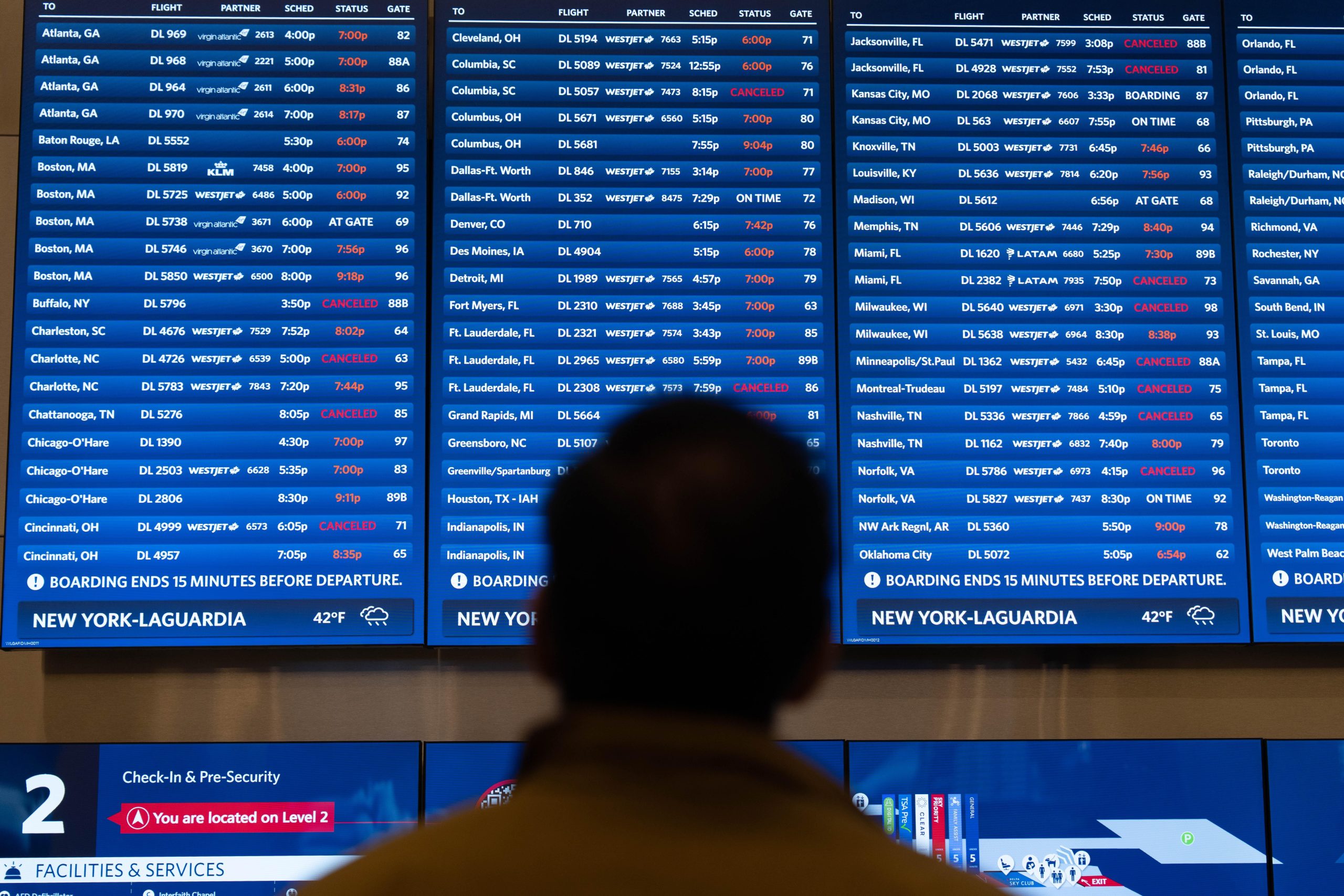
The recent, extensive closure of U.S. airspace, the second longest on record, has brought a familiar frustration to the forefront for travelers: the aging air traffic control (ATC) system. While many might assume their airfare includes a direct contribution to modernizing this critical infrastructure, the reality is far more complex and politically entangled, leaving the Federal Aviation Administration (FAA) perpetually behind the technological curve.
The Hidden Costs of a Strained System
The experience of purchasing plane tickets during a major airspace disruption highlights a common, yet often overlooked, aspect of air travel: the myriad of taxes and fees. A significant portion of these, such as the U.S. transportation tax and flight segment tax, are earmarked for the Airport and Airway Trust Fund. This fund is intended to support the FAA’s operations, including the vital work of air traffic control. However, the current funding mechanism presents a considerable hurdle. Despite collecting substantial revenue, the FAA is not empowered to freely access these funds. Instead, it faces a cumbersome process of seeking congressional approval for every withdrawal, a political bottleneck that has hindered crucial long-term investments for decades. This means that the money collected from travelers, ostensibly for improvements, doesn’t flow directly and efficiently to the projects that could alleviate system strain.
Decades of Underfunding and Political Gridlock
The issues plaguing the U.S. ATC system are not new; they are a persistent symptom of chronic underfunding and a deeply entrenched political system. The FAA has long struggled to implement necessary technological upgrades, such as the Next Generation Air Transportation System (NextGen), which aims to modernize air traffic management through satellite-based navigation and advanced communication technologies. These upgrades are essential for increasing capacity, improving efficiency, and enhancing safety in an increasingly crowded sky. Yet, the reliance on annual congressional appropriations and the need for specific project approvals create a cycle of delays and budget uncertainties. This makes long-term planning and the acquisition of cutting-edge technology incredibly challenging, leaving the U.S. ATC system lagging behind its international counterparts. The consequences are felt not only in flight delays and cancellations but also in the potential for increased operational costs and reduced overall efficiency.
Searching for a Viable Solution
The persistent problems within the air traffic control system necessitate a fundamental reevaluation of its funding and governance. Various proposals have emerged over the years, including calls for greater independence for the FAA in managing its finances, similar to models adopted by other countries. Granting the FAA more direct control over the Trust Fund, or exploring alternative, more stable funding streams, could provide the agency with the financial predictability needed to execute large-scale modernization projects. The current system, characterized by political infighting and bureaucratic hurdles, ultimately compromises the efficiency and reliability of a system that is fundamental to national commerce and transportation. Addressing these deep-seated issues is not merely about improving travel convenience; it’s about ensuring the long-term economic vitality and security of the nation’s air travel infrastructure.
CONCLUSION:
The repeated disruptions and the inherent inefficiencies of the current U.S. air traffic control system underscore a critical need for reform. While travelers contribute financially through various taxes and fees, the convoluted funding mechanisms and political dependencies prevent these resources from effectively addressing the system’s modernization needs. Without significant structural changes, the promise of smoother, more efficient air travel remains a distant prospect, perpetually hampered by the very system designed to facilitate it.
Based on materials: Vox



