
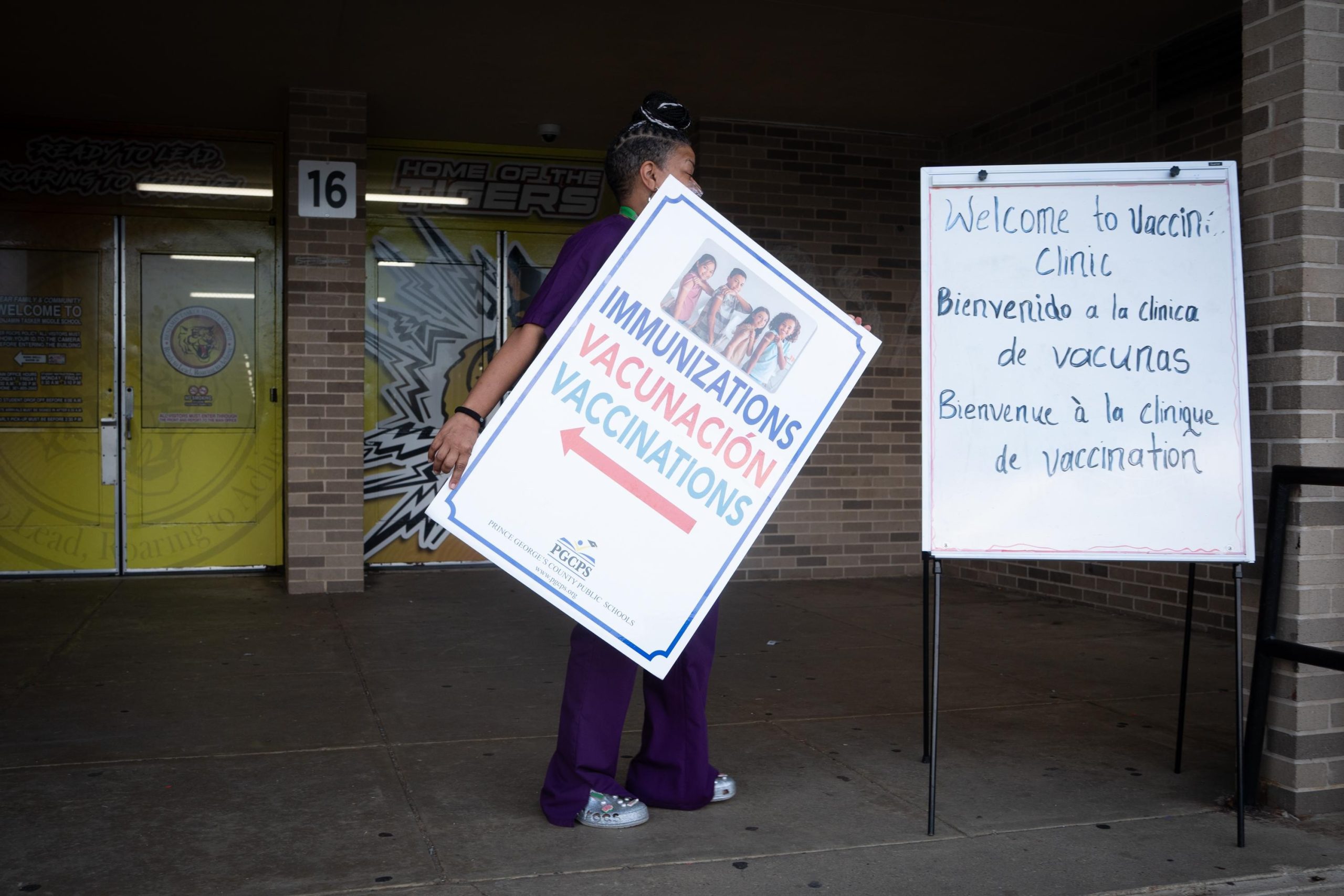
The United States is facing a concerning public health crisis as measles, a highly contagious disease once thought to be eliminated, makes a significant resurgence. This year alone, the nation has reported over 5,700 cases, a figure that surpasses the total number of cases recorded in the last quarter-century combined. Active outbreaks are currently flaring in key regions, including New York, Pennsylvania, and across the Midwest, with at least eight individuals succumbing to the infection.
A Stark Reversal of Public Health Gains
The return of measles is a stark reminder of the fragility of public health victories. In the year 2000, the U.S. achieved a monumental milestone: the elimination of endemic measles transmission. For years, the few cases that appeared were primarily imported, meaning individuals contracted the virus abroad and brought it back, but it didn’t spread widely within American communities. This achievement was a testament to widespread vaccination programs and robust public health infrastructure. However, this year’s alarming numbers indicate that this hard-won status is no longer intact, and the virus is now spreading naturally within the U.S. The Pan American Health Organization has officially recognized this alarming trend, signaling a critical juncture for the nation’s public health response.
The Role of Vaccination and Public Trust
The re-emergence of measles is largely attributed to declining vaccination rates. While the exact causes are multifaceted, a growing hesitancy towards vaccines, fueled by misinformation and distrust, plays a significant role. Measles is incredibly contagious, with a single infected person capable of spreading the virus to up to 12-15 unvaccinated individuals. The highly effective measles, mumps, and rubella (MMR) vaccine is the most powerful tool in preventing its spread. However, when herd immunity—the point at which a sufficient percentage of the population is immune to a disease, making its spread unlikely—drops below critical thresholds, outbreaks become inevitable. This situation underscores the vital importance of maintaining high vaccination coverage to protect not only individuals but also the most vulnerable members of society, including infants too young to be vaccinated and those with compromised immune systems.
A Call for Renewed Public Health Action
The current measles crisis demands an urgent and comprehensive response. Public health officials are working to contain existing outbreaks through contact tracing, isolation measures, and intensified vaccination efforts. However, the long-term solution lies in rebuilding public trust in vaccines and addressing the root causes of vaccine hesitancy. This includes clear, science-based communication from trusted sources, combating misinformation online, and ensuring equitable access to vaccination services for all communities. The loss of measles elimination is a serious setback, but with concerted effort and a renewed commitment to public health, the U.S. can work towards regaining control of this preventable disease and safeguarding the health of its citizens.
Based on materials: Vox



